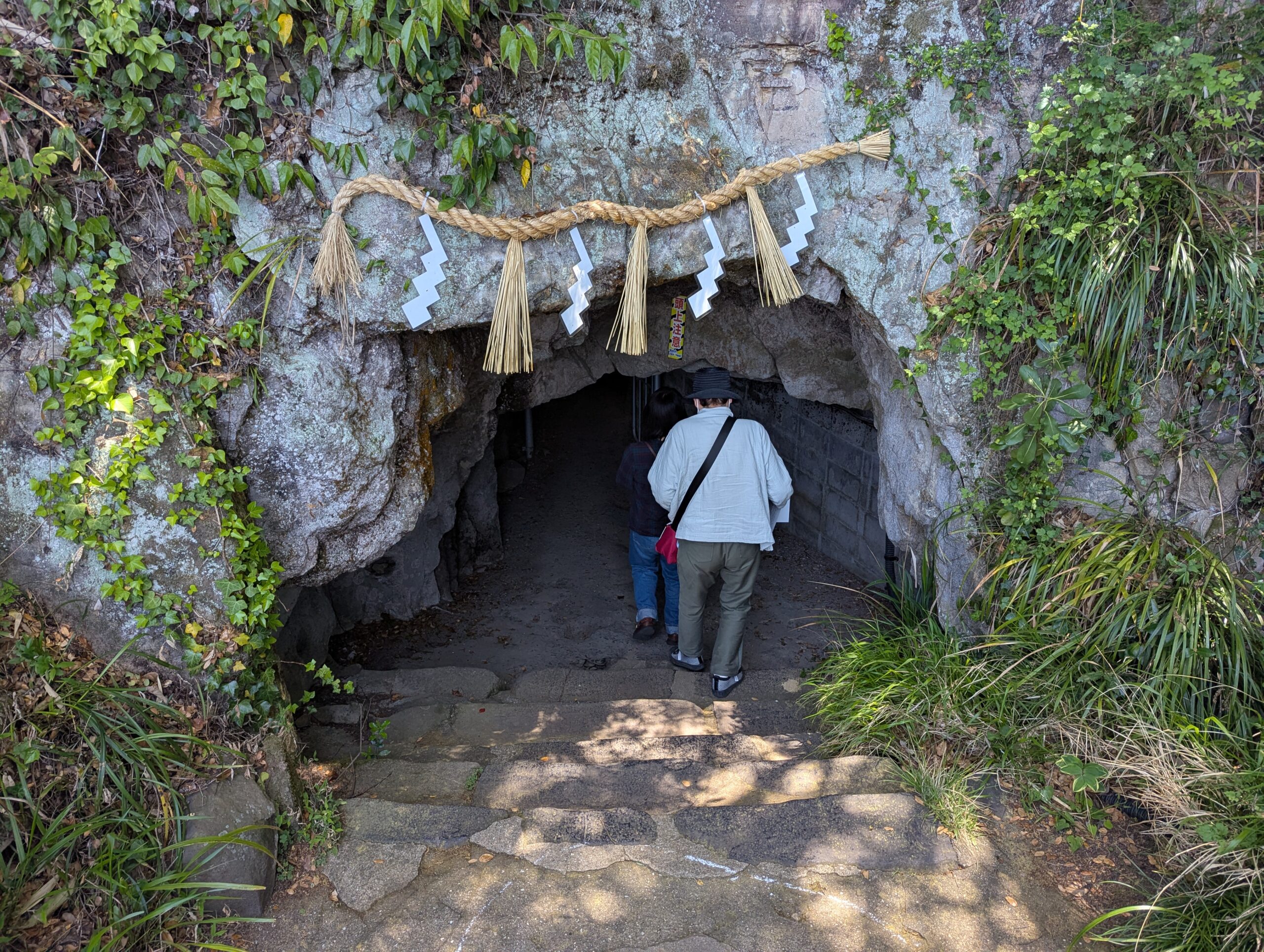
Floating in the Seto Inland Sea, Megijima Island in Kagawa Prefecture has long been known as “the island where the ogres live” — and true to that legend, it’s home to Onigashima Cave (鬼ヶ島大洞窟), said to be the model for the ogres’ island in the classic Japanese folktale of Momotarō. The cave was discovered in 1914 by Sentaro Hashimoto, and for more than a century since, it has remained Megijima’s signature attraction, drawing visitors from across Japan and beyond.
Inside the cave, the air stays cool year-round, making it a comfortable escape even in the height of summer. Between the exhibits tied to the ogre legend and the sprawling, cavernous spaces that feel as though ogres might have truly lived there, it’s a spot with genuine appeal for adults and kids alike.
In this article, we’ll walk you through exactly what you can see inside Onigashima Cave, the highlights beyond the cave itself, and how to get there along with admission fees.
Getting to Onigashima Cave
From Megijima Port, there are three main ways to reach Onigashima Cave:
- Round-trip shuttle bus
- Rental bicycle
- On foot
Of the three, we especially recommend the round-trip shuttle bus. It costs ¥1,000, but it lets you skip the steep uphill stretches along the route from the port to the cave — a real advantage. Even if you’re considering walking or cycling, it’s worth taking the bus if you’re not confident in your stamina or the weather looks uncertain. This is especially true in summer, when the strong sun can drain your energy quickly on the uphill walk — taking the bus lets you save your energy for exploring the cave itself.
For more detailed directions and the bus timetable, see our companion article, “[Megijima Island] The Complete Access Guide to Onigashima Cave.”
Admission Fees
Admission fees are as follows:
- Adults (high school age and up): ¥600
- Children (junior high school age and under): ¥300
Discounts are also available for groups of 15 or more, and for visitors with a disability certificate. If you’re planning a visit as part of a school trip or a community group tour, it’s worth checking the discount details in advance to help keep costs down.
For a full breakdown of pricing by age group, see our companion article, “[Megijima Island] Onigashima Cave Fees & Hours — The Complete Guide.”
Before You Enter the Cave
Right at the cave entrance, staff will check your ticket, so have it ready to show them. Once that’s done, they’ll offer to take a commemorative photo of you right in front of the cave entrance. Since you’ve come all this way to visit the legendary home of the ogres, it’s a nice way to mark the moment — and yes, they’ll happily take your photo even if you’re traveling solo. If you’d rather skip the photo, it’s perfectly fine to decline.
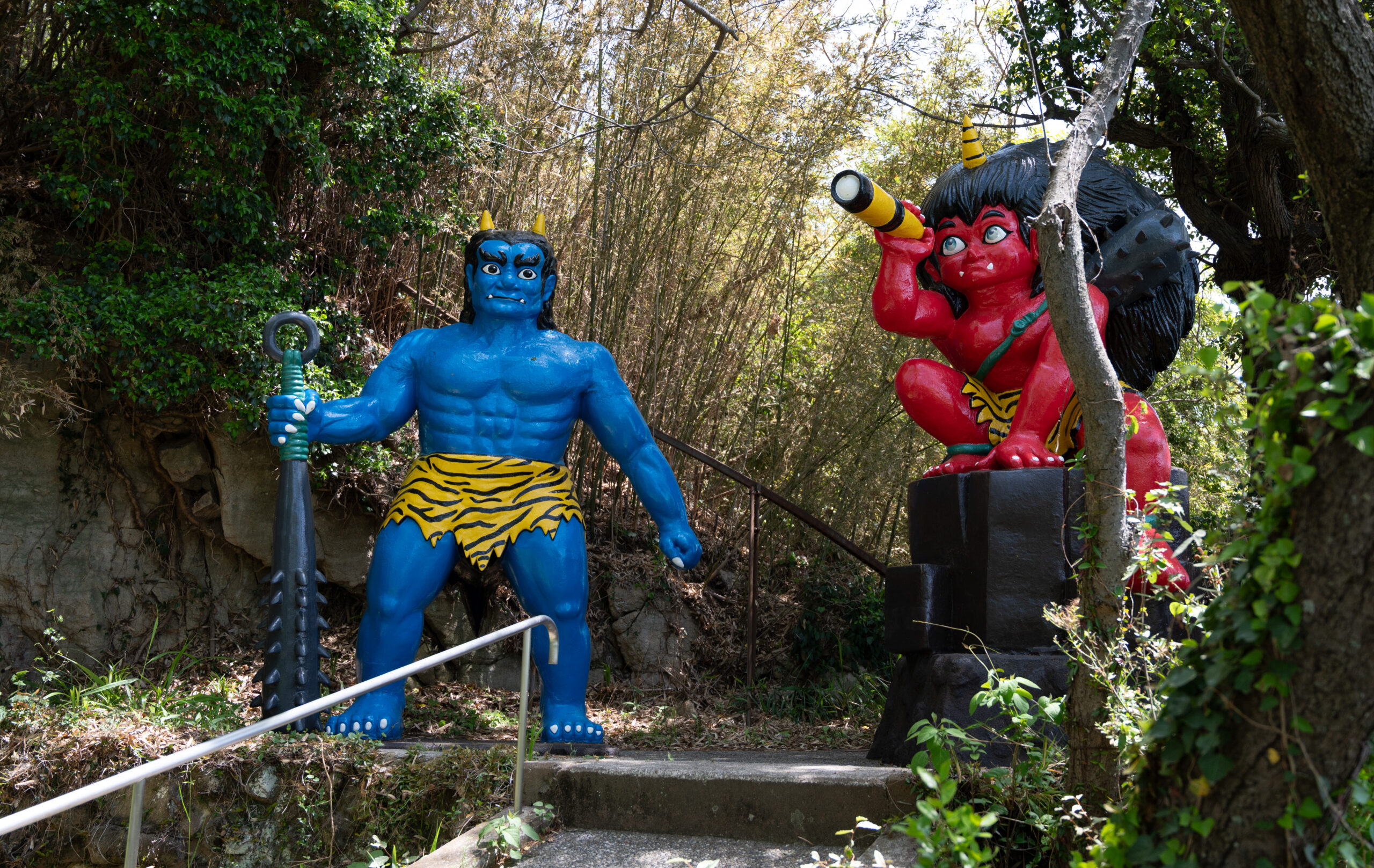
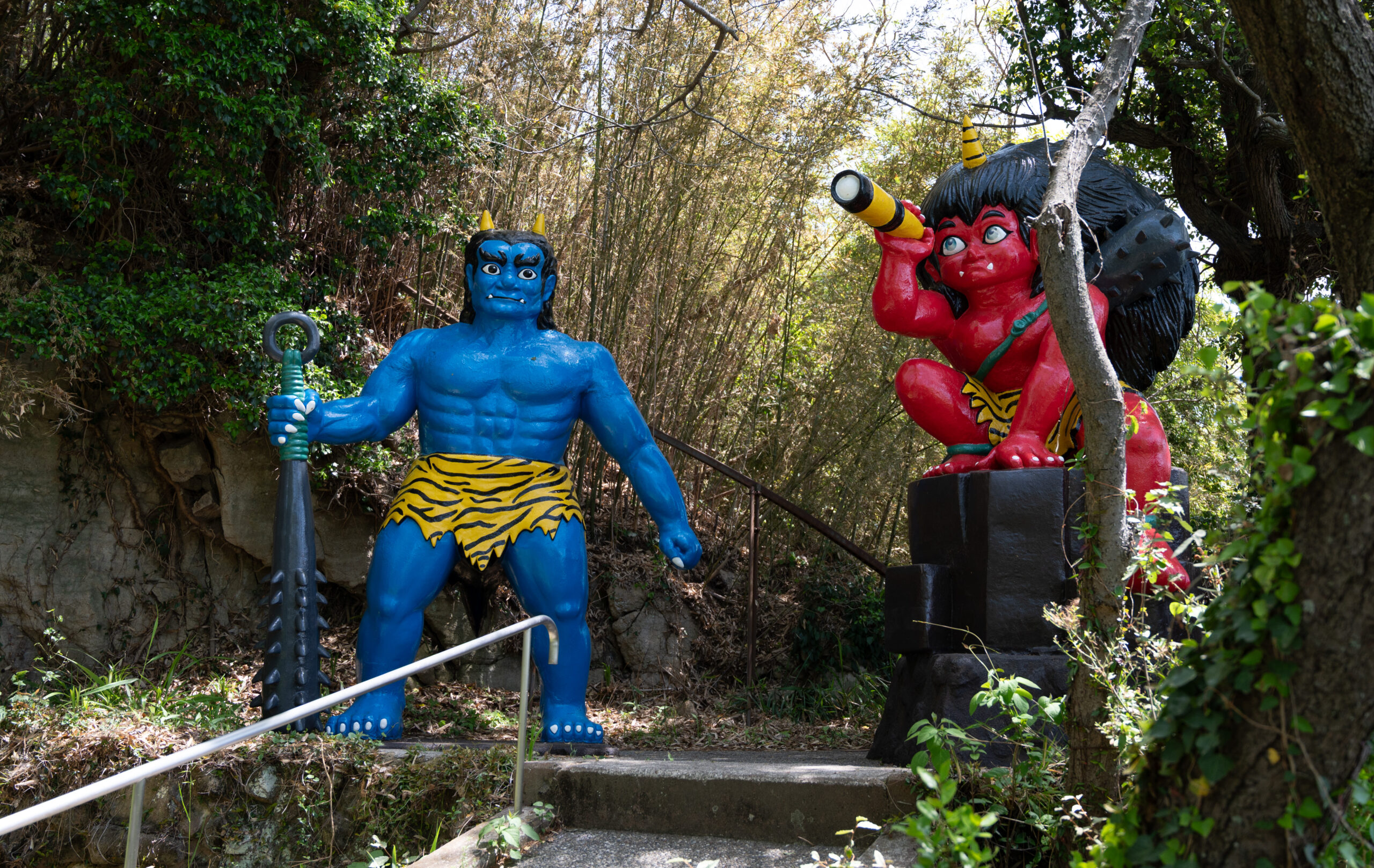
Near the entrance, you’ll also spot ogre-themed signs and objects scattered about, which start pulling you into the world of the Momotarō legend even before you step inside.
Inside the Cave
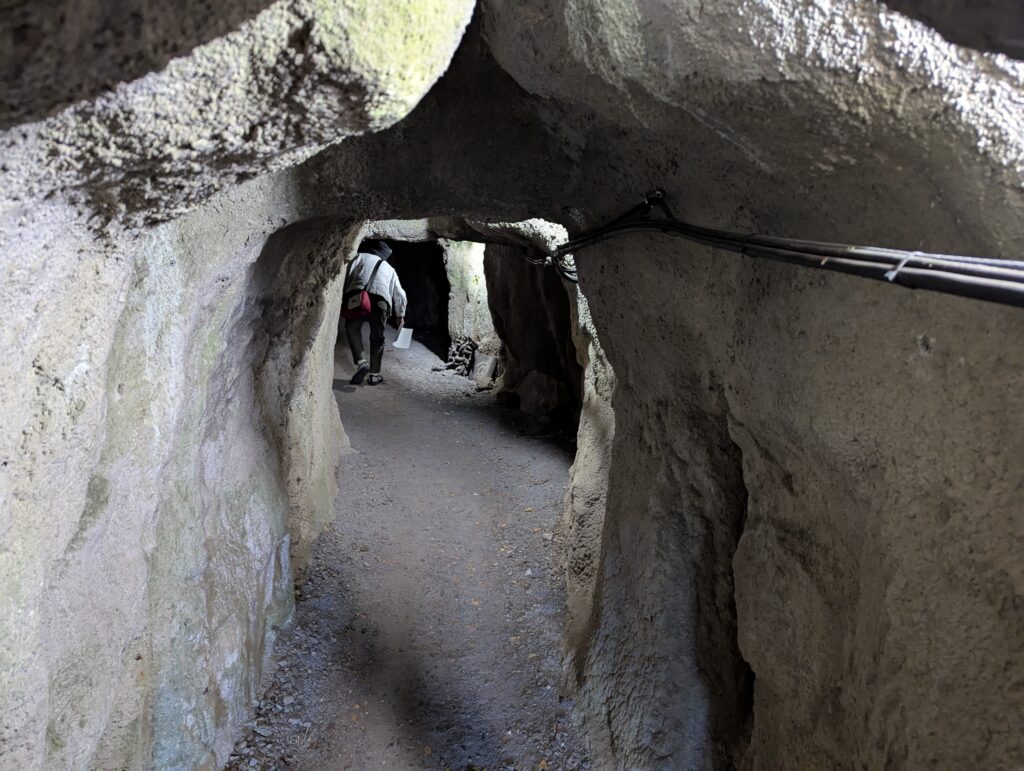
The cave’s interior has been set up to be walkable for visitors, but since it’s essentially a natural cave that was hand-dug and expanded, some sections have uneven footing. We strongly recommend wearing sneakers or other walking shoes with good grip.
There are also narrow passages where you’ll need to duck down to move between areas, so watch your head as you go. Lighting is placed throughout the cave, but it stays fairly dim overall — combined with the cool air, it creates the sense that you’ve genuinely wandered into an ogre’s lair.
What You Can See Inside
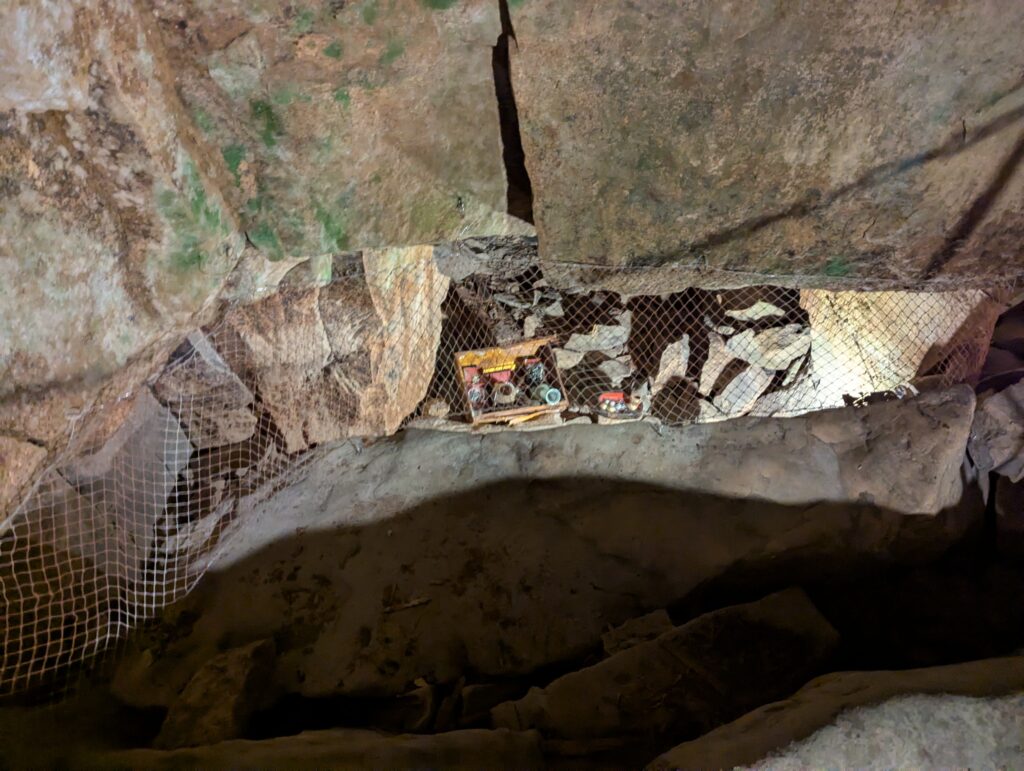
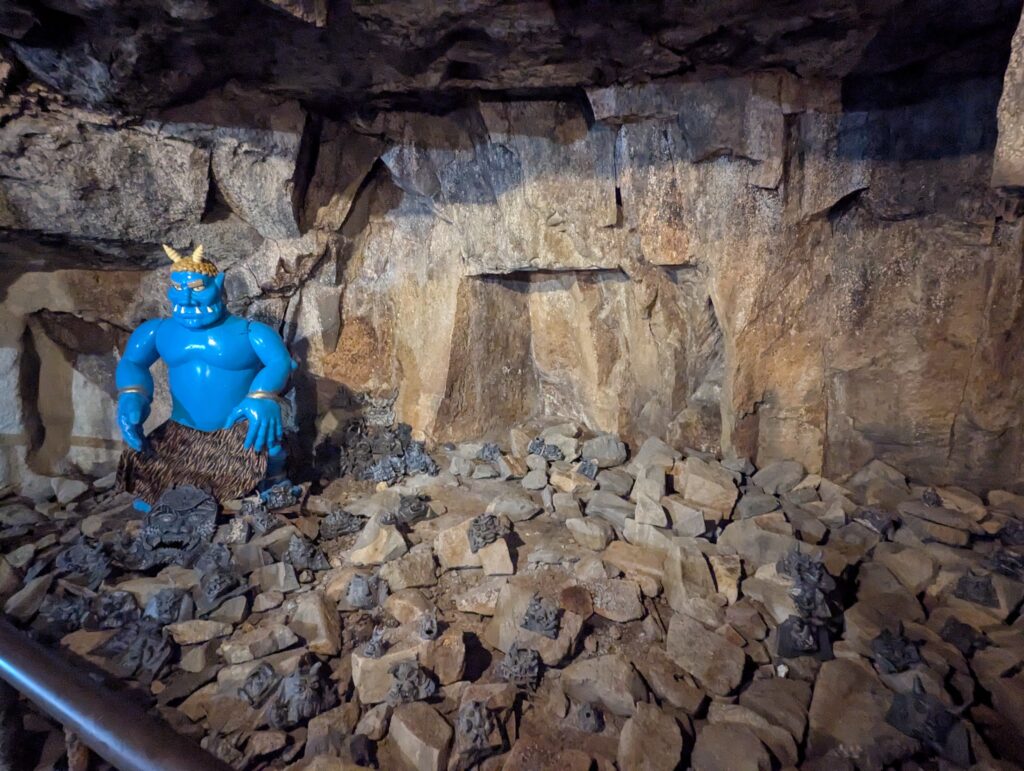
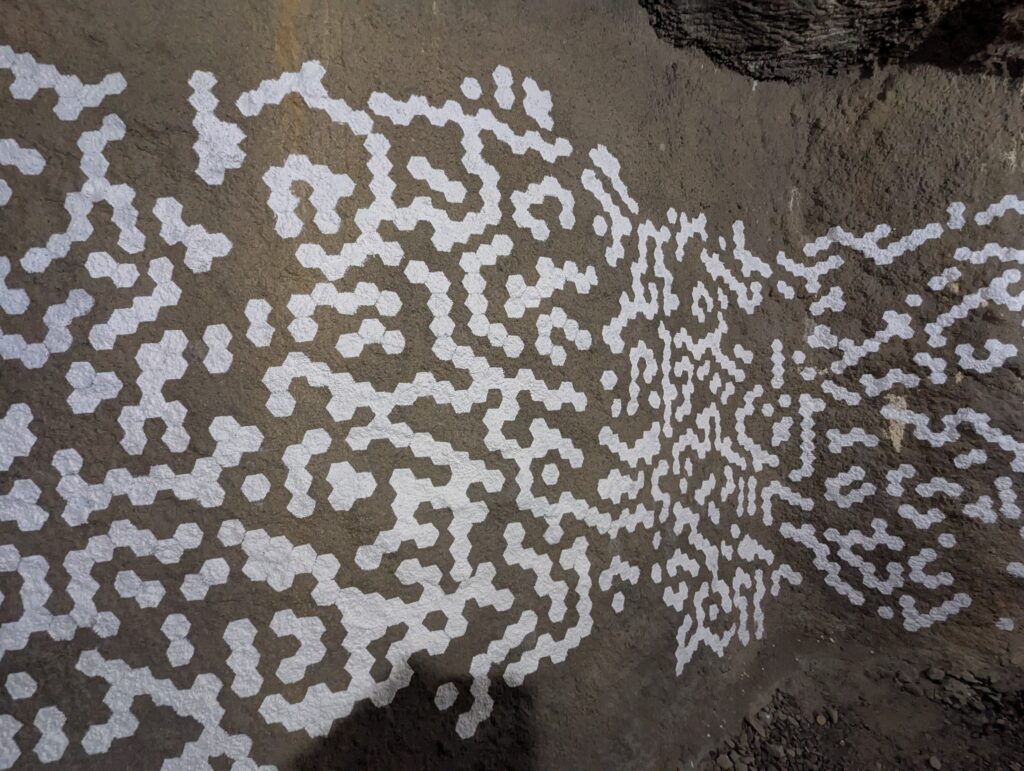
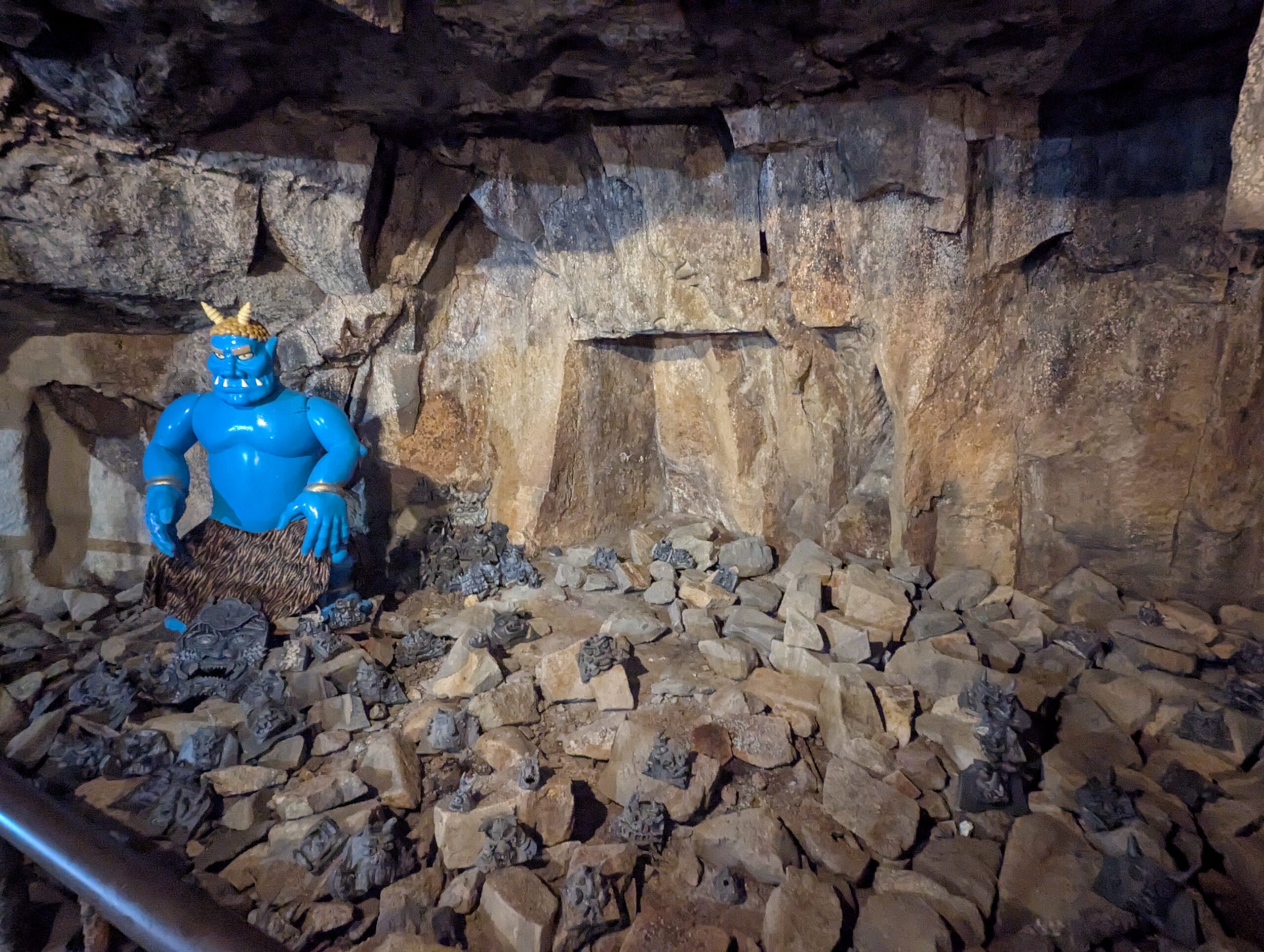
Inside the cave, you’ll find several distinct spaces to explore, including the ogres’ great hall, living quarters, and treasure storeroom. Each area is staged to evoke the feeling that ogres once actually lived there, leaving plenty of room for imagination.
The cave also displays artistic elements like ogre roof tiles (oni-gawara) and wall paintings, making it more than just a natural cave tour — there’s genuinely a lot to see. Take your time exploring and soaking in the world of the Momotarō legend as you go.
After You Exit the Cave
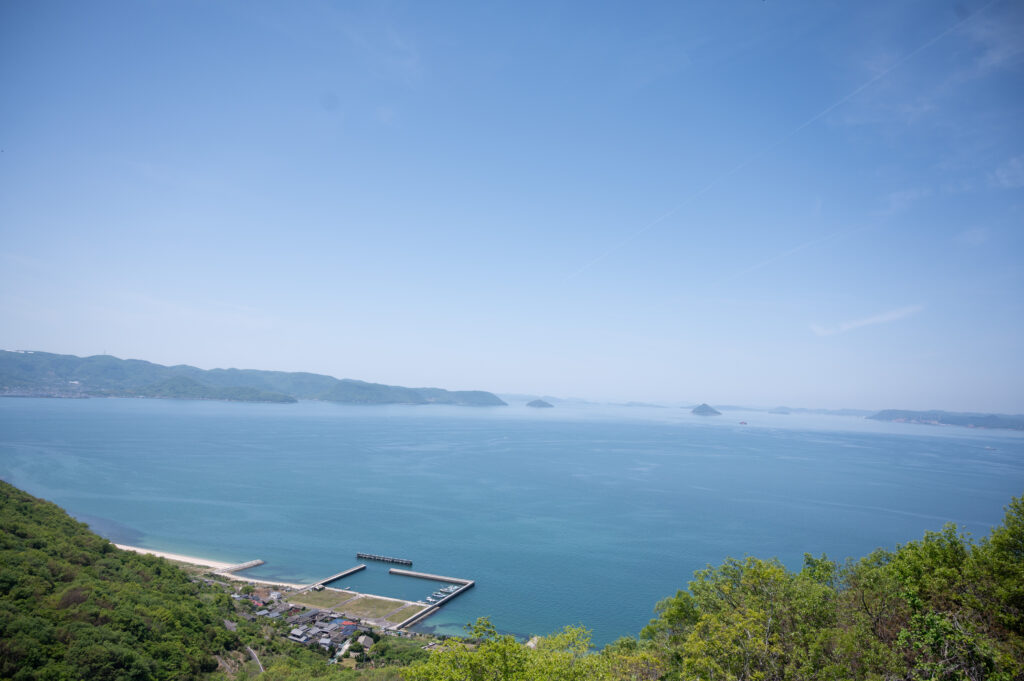
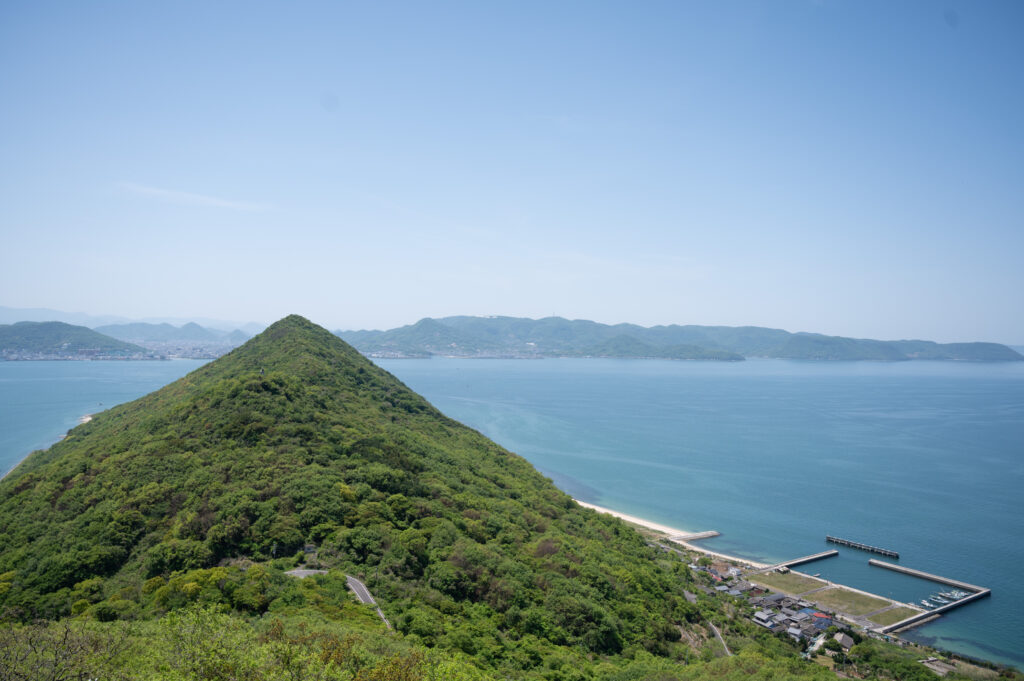
When you exit the cave, the path to the left leads back toward Megijima Port, but you can also head right. Don’t turn back the moment your cave tour ends — it’s well worth continuing to the right.
A short walk up a mountain trail brings you to Washigamine Observatory. From here, you get a sweeping view of all of Megijima Island — a spot where you can take in the calm waters of the Seto Inland Sea alongside the island’s greenery, all at once. It’s something of a hidden gem. Many visitors feel satisfied after just the cave tour, but making the extra trip up to this observatory will noticeably round out your visit to Megijima.
In Summary
In this article, we introduced Onigashima Cave, the legendary spot believed to be the model for the ogres’ island in the Momotarō tale. While the interior is well set up for visitors, you’ll still want to watch your footing and your head as you move through it. There’s plenty to see, from the ogres’ great hall and living quarters to the treasure storeroom, along with artistic touches like ogre roof tiles and wall paintings.
After leaving the cave, we recommend heading right toward Washigamine Observatory to take in the view over Megijima before heading home. Be sure to check our other articles for more detail on access and pricing before your trip — and we hope you’ll get the chance to visit Onigashima Cave for yourself.
Thanks for reading to the end.
コメント