*This article contains affiliate links (advertising).
Just 30 minutes by train from Tokyo lies a townscape that feels like a step back in time — Kawagoe City in Saitama Prefecture.
Walk down Ichibangai Street, lined with traditional kurazukuri (clay-walled warehouse) buildings, and you’ll hear the clack of wooden geta sandals, catch the sweet aroma of Kawagoe’s famous sweet potatoes, and feel the nostalgic rhythm of time marked by the old bell tower. Once the thriving castle town of the Kawagoe Domain, this city is known as “Koedo” (Little Edo) and remains one of the Kanto region’s most beloved destinations, rich with the atmosphere of the Edo period.
In this article, aimed at first-time visitors to Kawagoe, we’ll introduce the must-see buildings, local food, and seasonal events you shouldn’t miss — all based on our own visits. By the end, we’re confident you’ll want to head to Kawagoe right away.
Getting to Kawagoe
Kawagoe is about 30 minutes from Ikebukuro, Tokyo, via the Tobu Tojo Line, and is also accessible from the Shinjuku area via the Seibu Shinjuku Line. With minimal transfers required, it’s an easy destination to reach on a whim.
The town is compact enough to fully enjoy even as a day trip, making it an ideal choice for a relaxing weekend outing.
Kawagoe ① Historic Buildings
Simply walking along Ichibangai Street, you’ll find centuries of history quietly woven into the scenery. Here are five buildings that left a particularly strong impression on us.
Resona Bank Kawagoe Branch (former Head Office of the 85th Bank)
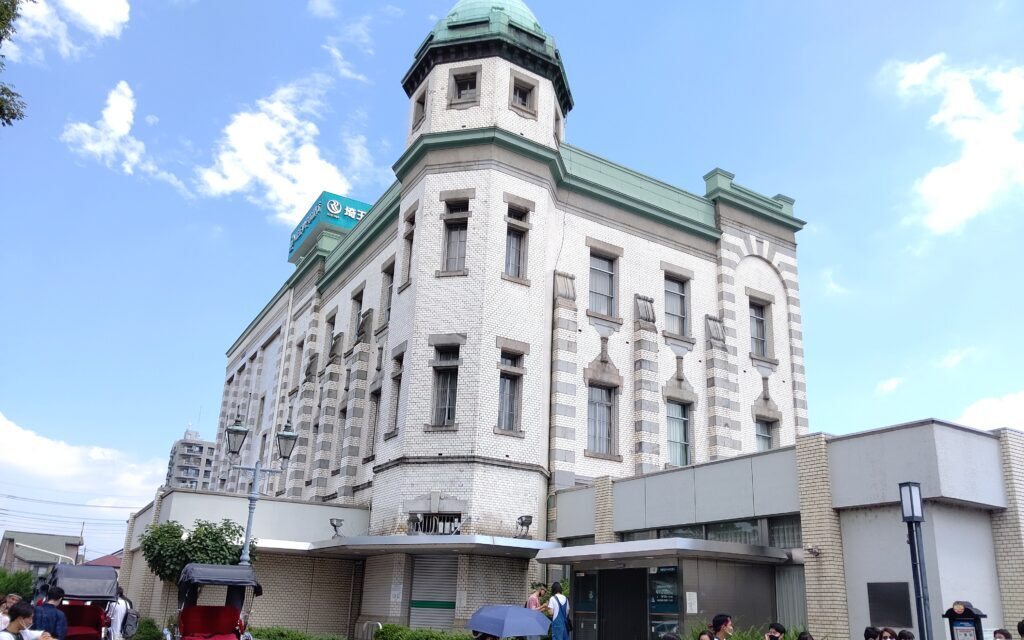
Amid the rows of kurazukuri warehouse buildings, this stately Western-style building suddenly appears — the Resona Bank Kawagoe Branch. It was registered as a national Tangible Cultural Property in 1996, and remarkably, it remained a staffed bank branch until as recently as 2020. Standing as a symbol of Kawagoe’s distinctive blend of Japanese and Western architecture, it’s a building that makes you stop and stare.
- Address: 4-1 Saiwaicho, Kawagoe City, Saitama Prefecture (in front of the Ichibangai bus stop)
- Website: Resona Bank Kawagoe Branch
Toki no Kane (Bell Tower)
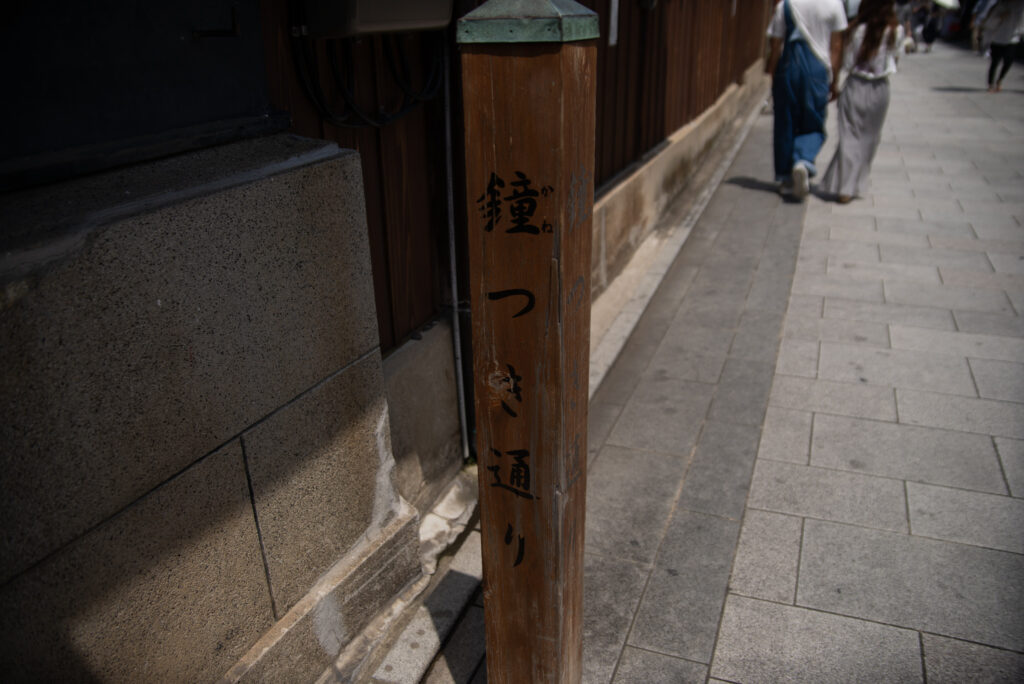
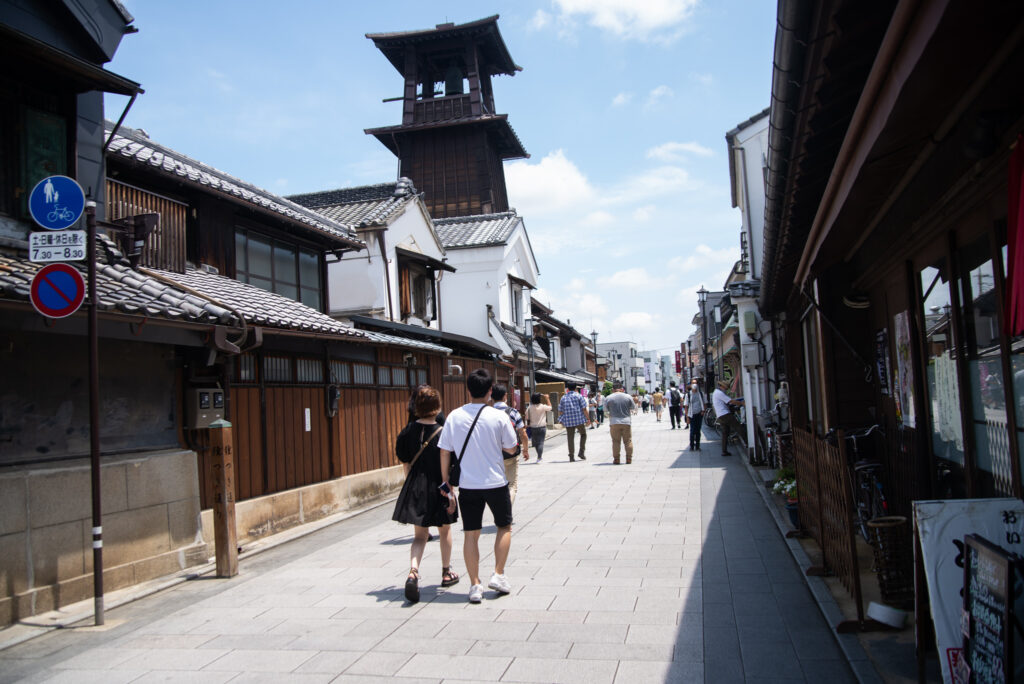
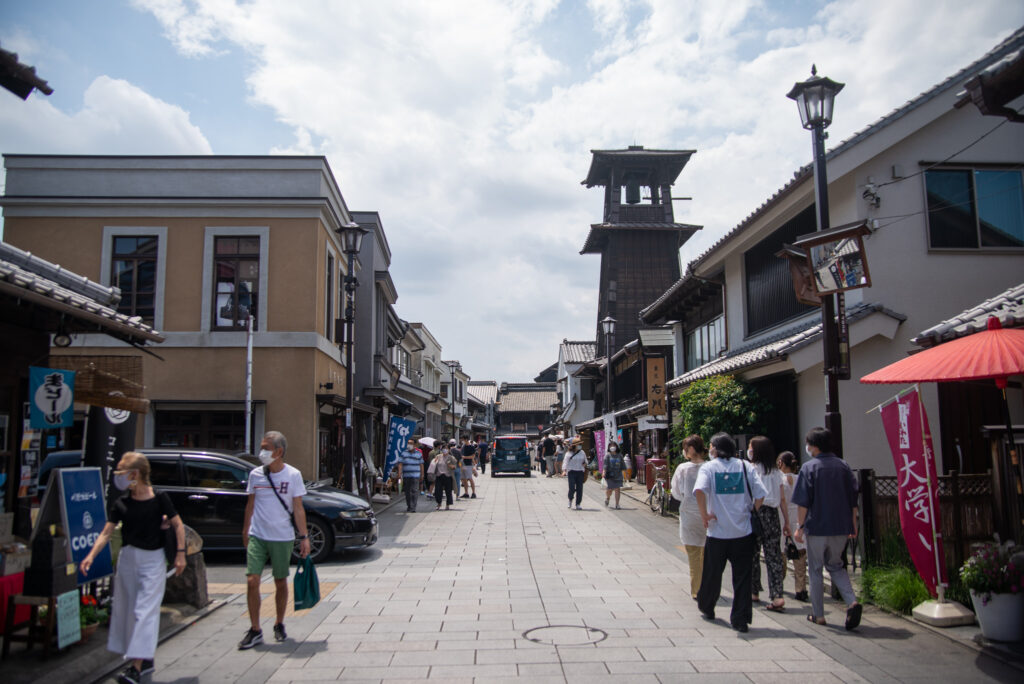
This is probably the first thing many people picture when they hear “Kawagoe.” The city’s symbol, the Toki no Kane bell tower, was first built in 1634, and the structure standing today is its fourth incarnation. That it was rebuilt so soon after the great Kawagoe fire of 1893 speaks to just how deeply residents cherish this bell.
Built by feudal lord Sakai Tadakatsu to mark the passing hours, the tower still rises over Ichibangai today, and together with the warehouse-lined streets, it’s an absolute must-see photo spot on any trip to Kawagoe.
Renkeiji Temple
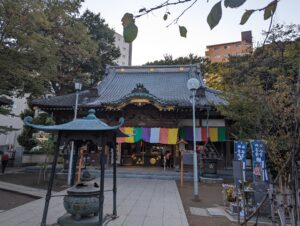
This temple was founded by Renkei-daishi, mother of a lord of Kawagoe Castle, who wished to create “a place of peace for the people.” Ever since, it has been cherished as “the people’s temple.”
During the day, the temple grounds fill with food stalls and a lively, bustling atmosphere. If you’re out wandering the streets, stop by and soak up the local spirit.
- Website: Renkeiji Temple
Kawagoe Castle Honmaru Goten (Main Hall)
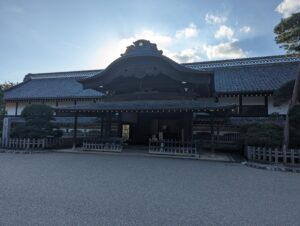
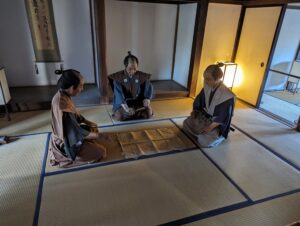
Kawagoe Castle is said to have been built by the renowned commander Ota Doshin and his son Dokan, under orders from Uesugi Mochitomo. During the Edo period, it was regarded as a key defense point for “the north” and was governed for generations by trusted senior retainers of the shogunate.
Part of the building constructed in 1848 still survives today, and visitors can tour the entrance hall, the great room, and the chamber used by the chief retainers. Be sure to see with your own eyes these remains of a main hall — a rarity found nowhere else in Japan.
Kumano Shrine
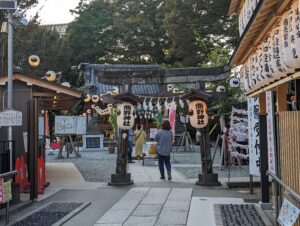
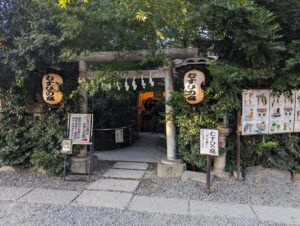
Established in 1590 as a branch shrine of Kumano in Kishu, this shrine is known for blessings of good fortune, matchmaking, and warding off bad luck.
Greeting visitors within the grounds is the Yatagarasu, a three-legged crow said in legend to have guided Emperor Jinmu when he lost his way in the mountains of Kumano. It’s a shrine with a curious pull that draws you in whenever you find yourself at a crossroads in life.
- Website: Kawagoe Kumano Shrine
Kawagoe ② Food
After a day of walking through history, take a break with some of Kawagoe’s local flavors. From classic sweets made with Kawagoe’s famous sweet potatoes to unique Chinese dishes with a local twist, here are a couple of places worth stopping at.
Kawagoe Pudding
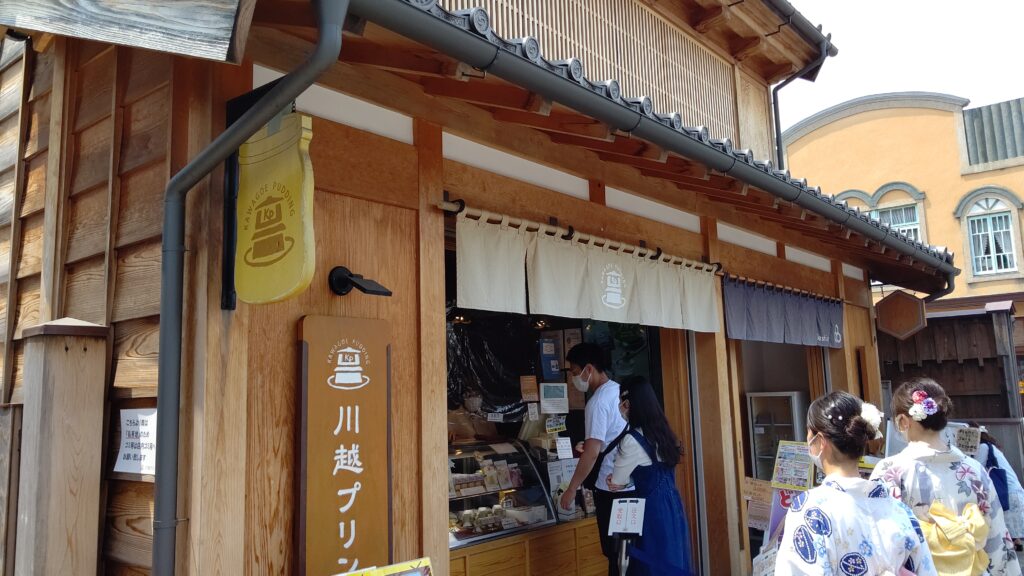
A pudding specialty shop where each cute little jar is packed full of flavor. Alongside their classic smooth pudding, they also offer versions made with Kawagoe’s famous sweet potatoes, matcha, and more — the lineup makes it hard to choose just one.
At around ¥450, it’s a bit of an indulgence, but one bite and you’ll understand why it’s worth it. A perfect sweet reward to enjoy partway through your stroll.
| Item | Details |
|---|---|
| Address | 1-13 Saiwaicho, Kawagoe City, Saitama Prefecture |
| Hours | 11:00–17:00 |
| Closed | Irregular holidays |
Daihachi
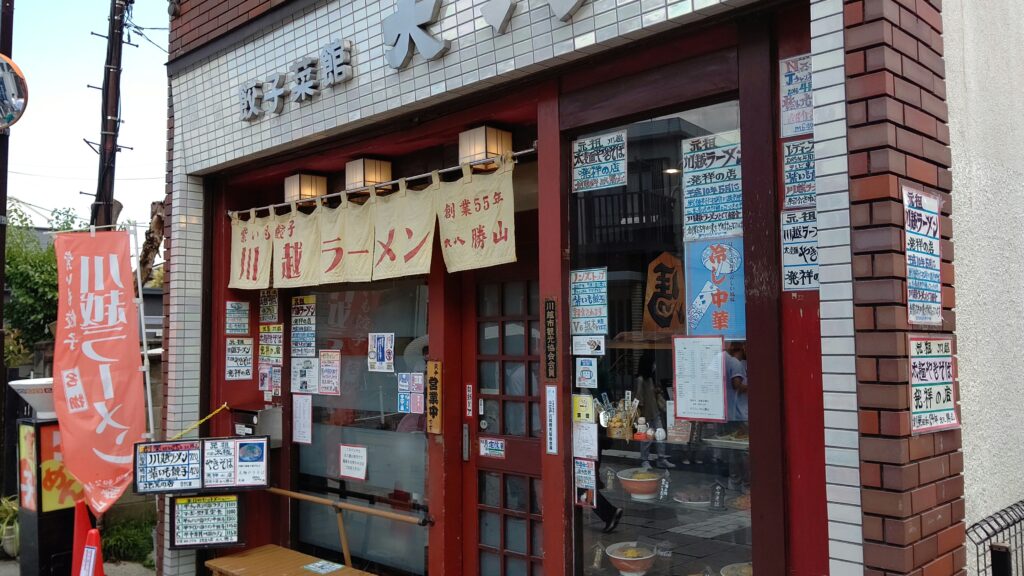
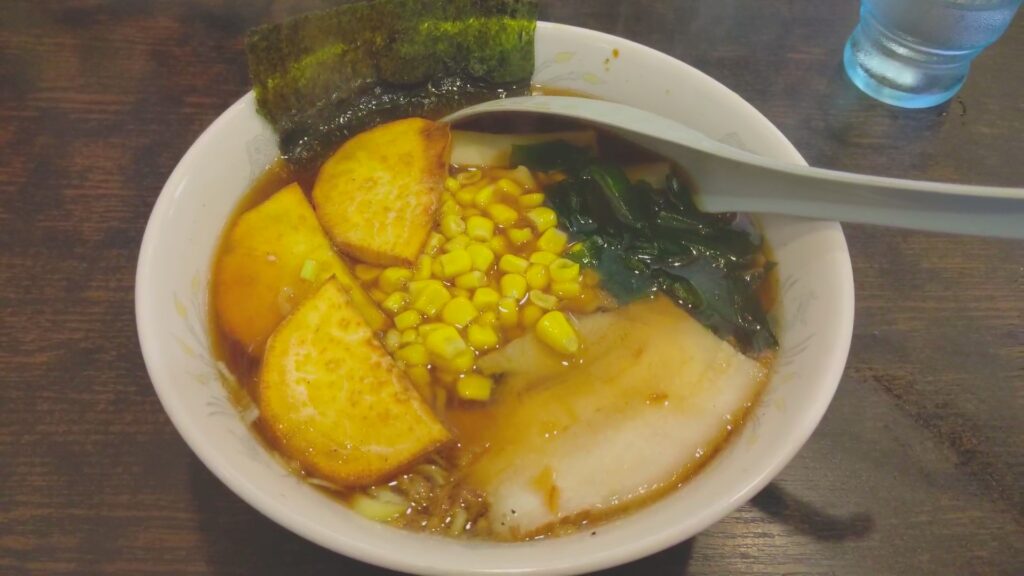
A quietly tucked-away Chinese restaurant on Toki no Kane Street, known for its distinctive ramen and gyoza made generously with Kawagoe’s local sweet potatoes — dishes you won’t find anywhere else.
The signature Kawagoe ramen costs ¥750, and dishes like purple sweet potato gyoza represent the true essence of Kawagoe’s sweet-potato-based cuisine. For anyone who wants to taste “Kawagoe-ness” for themselves, this is a place we’d recommend without hesitation.
| Item | Details |
|---|---|
| Address | 14-7 Otemachi, Kawagoe City, Saitama Prefecture |
| Hours | 11:00–17:30 |
| Closed | Mondays |
Kawagoe ③ Seasonal Events
Part of Kawagoe’s charm is how dramatically its face changes with the seasons. Try to time your visit to catch one of these special, once-a-year sights.
Enmusubi Wind Chimes (Kawagoe Hikawa Shrine)
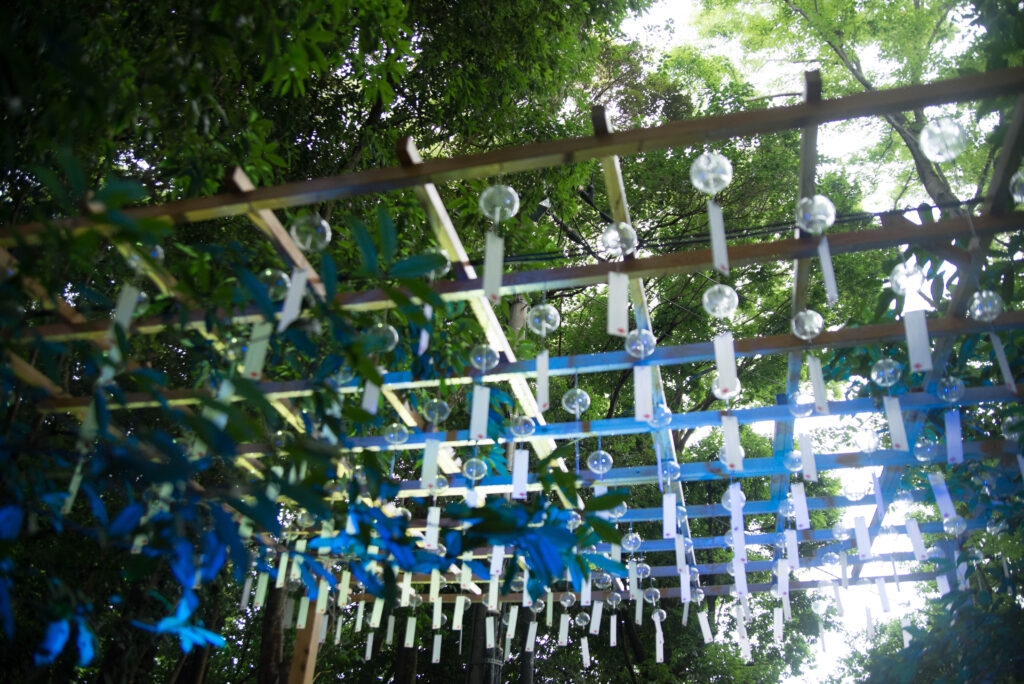
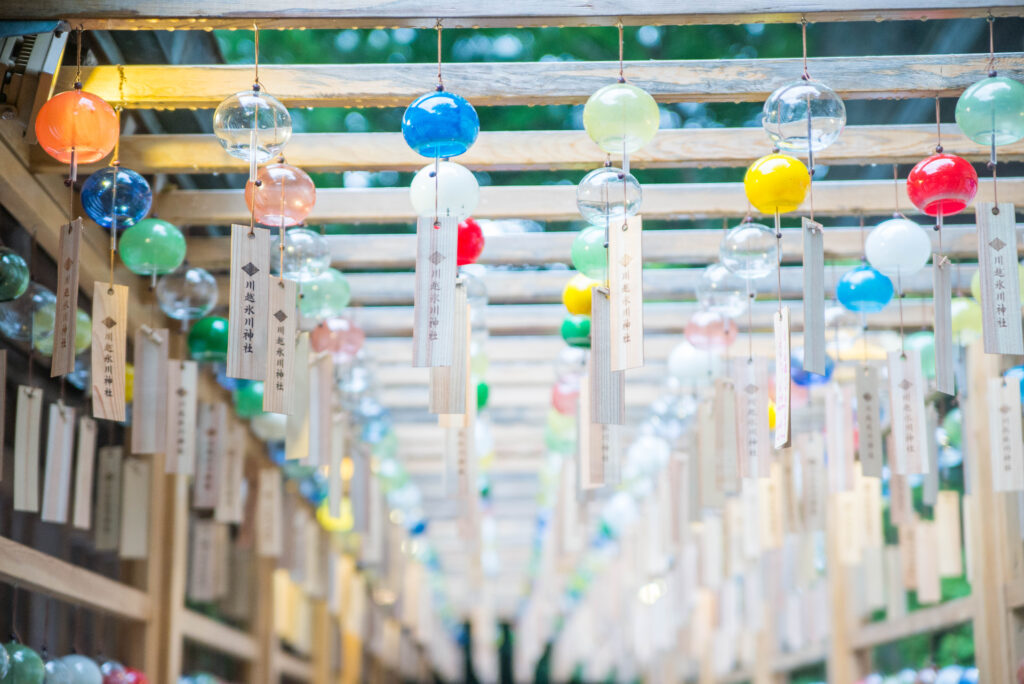
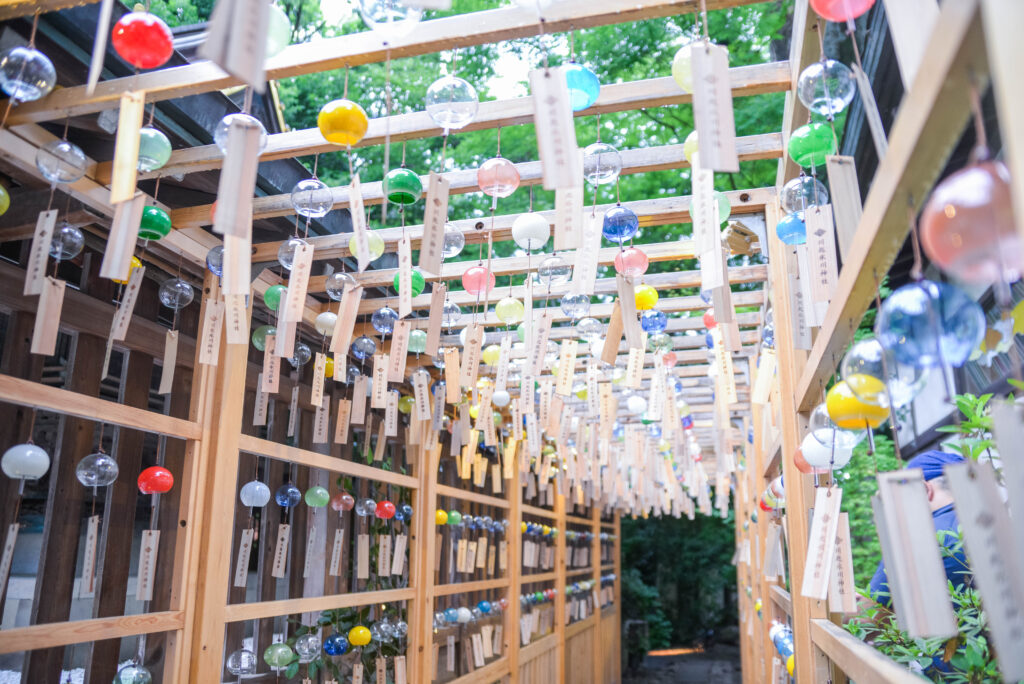
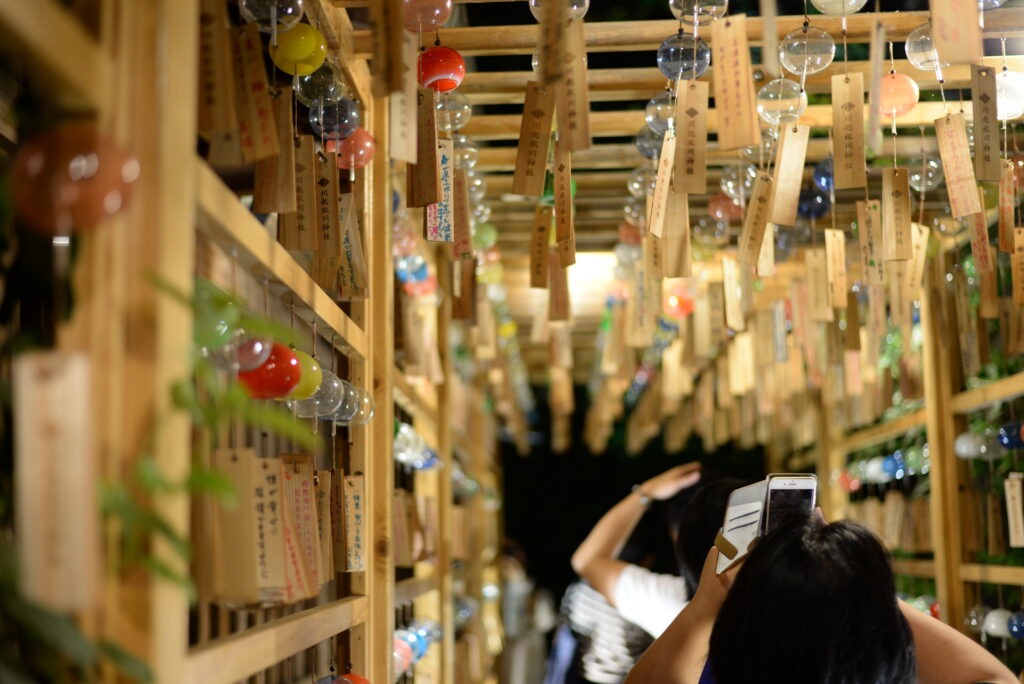
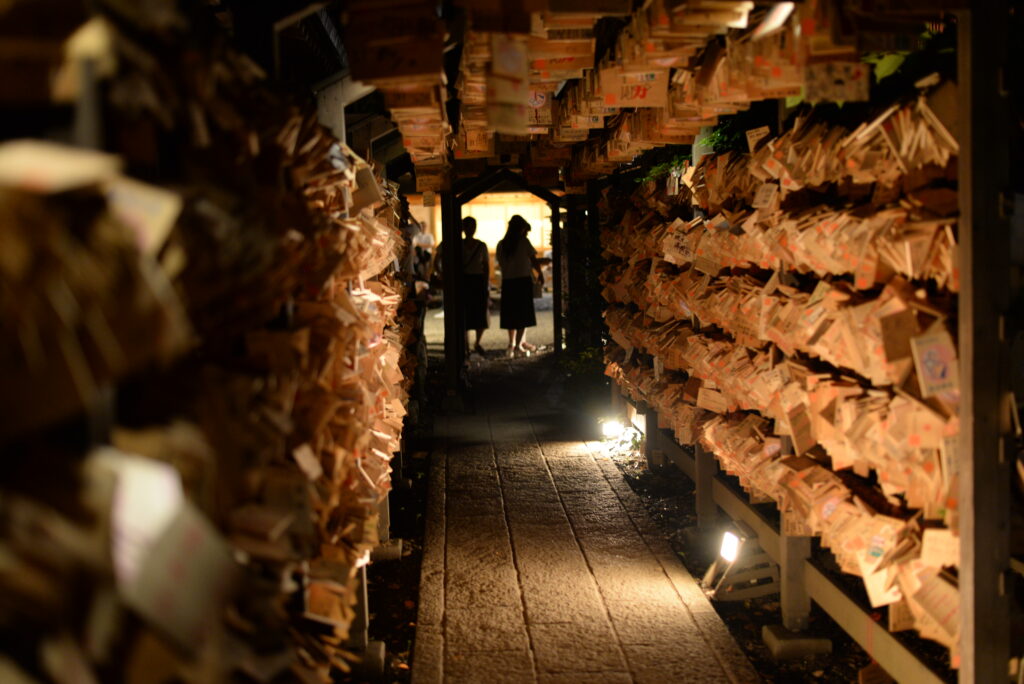
Every year from July through early September, Kawagoe Hikawa Shrine’s grounds are decorated with the “Enmusubi Fuurin” — matchmaking wind chimes. Countless chimes strung together form a tunnel-like display, creating a dreamlike, unforgettable sight.
Walking through it, surrounded by the cool, tinkling sound of the chimes, feels like it washes away all the fatigue of Japan’s summer heat. If you’re visiting Kawagoe in summer, this is not to be missed.
Kawagoe Festival
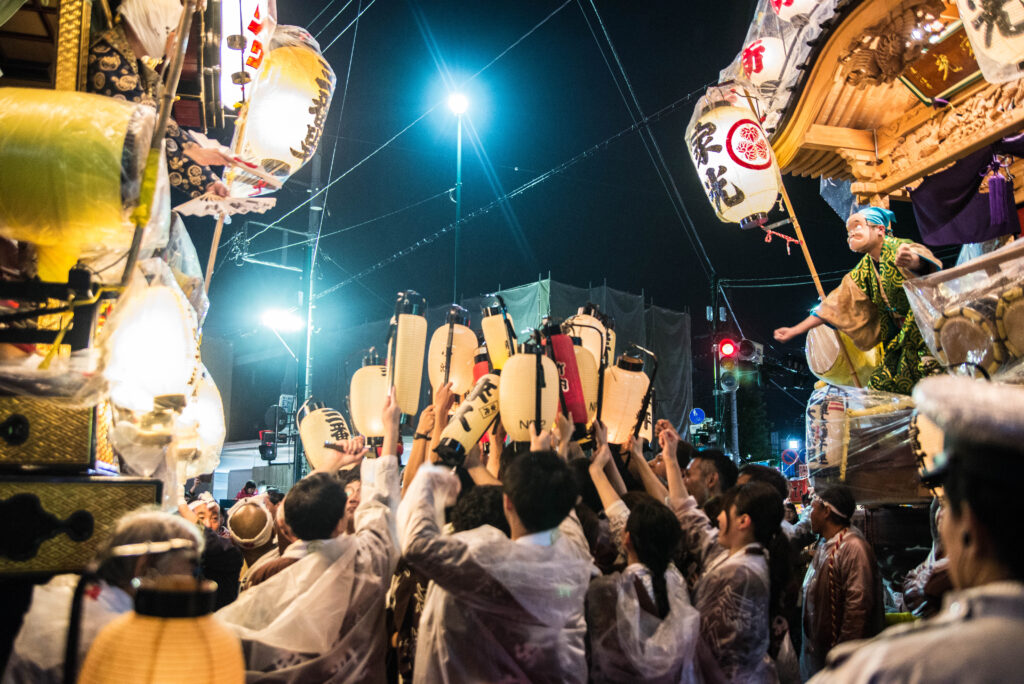
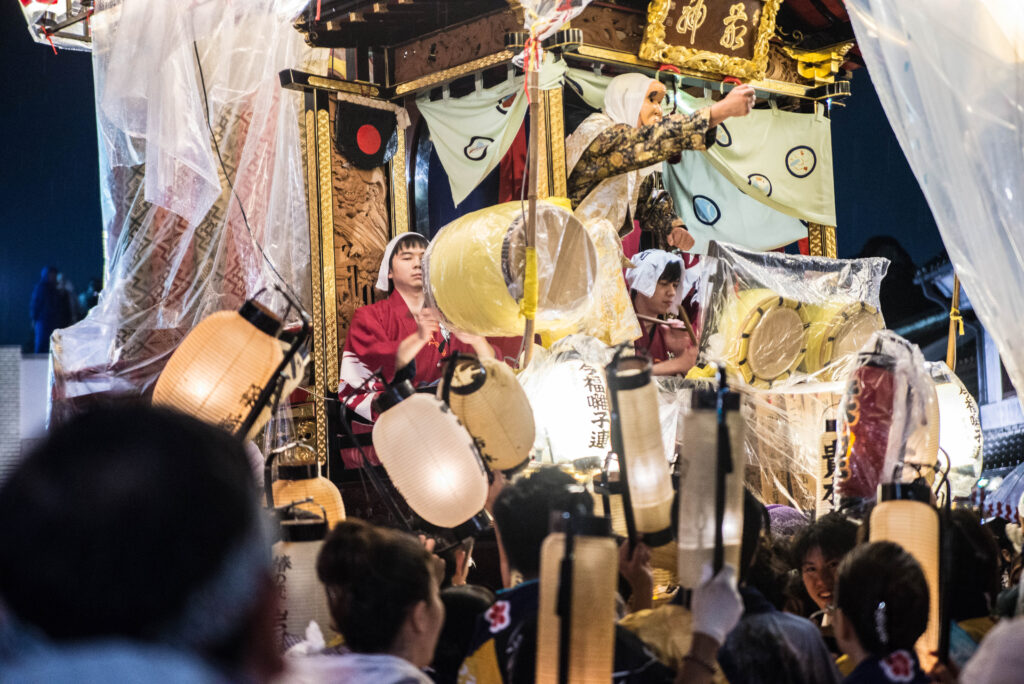
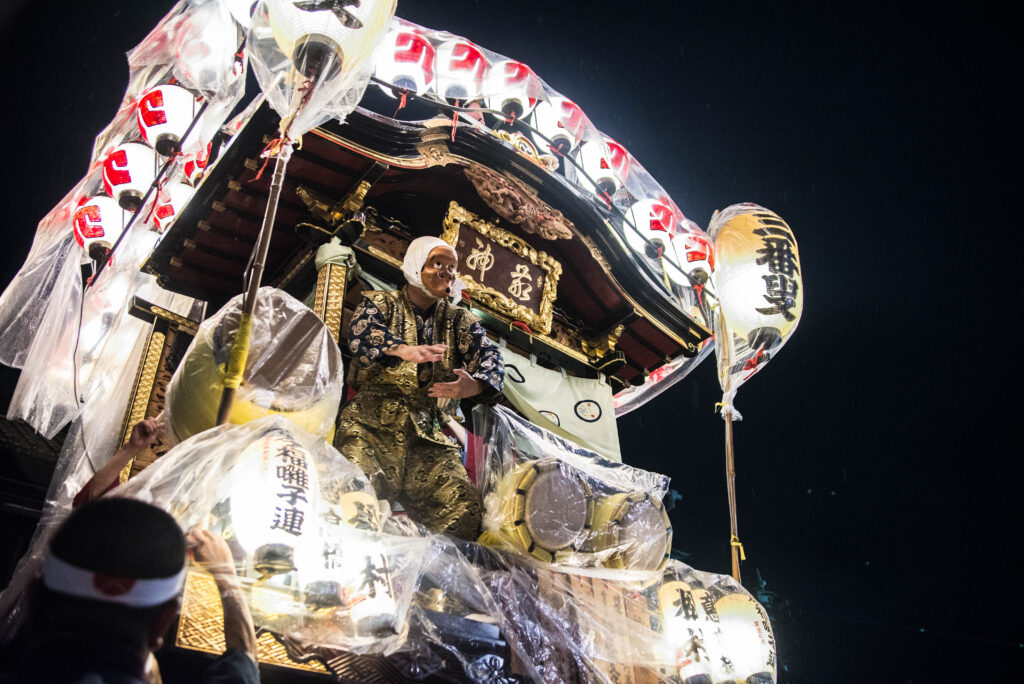
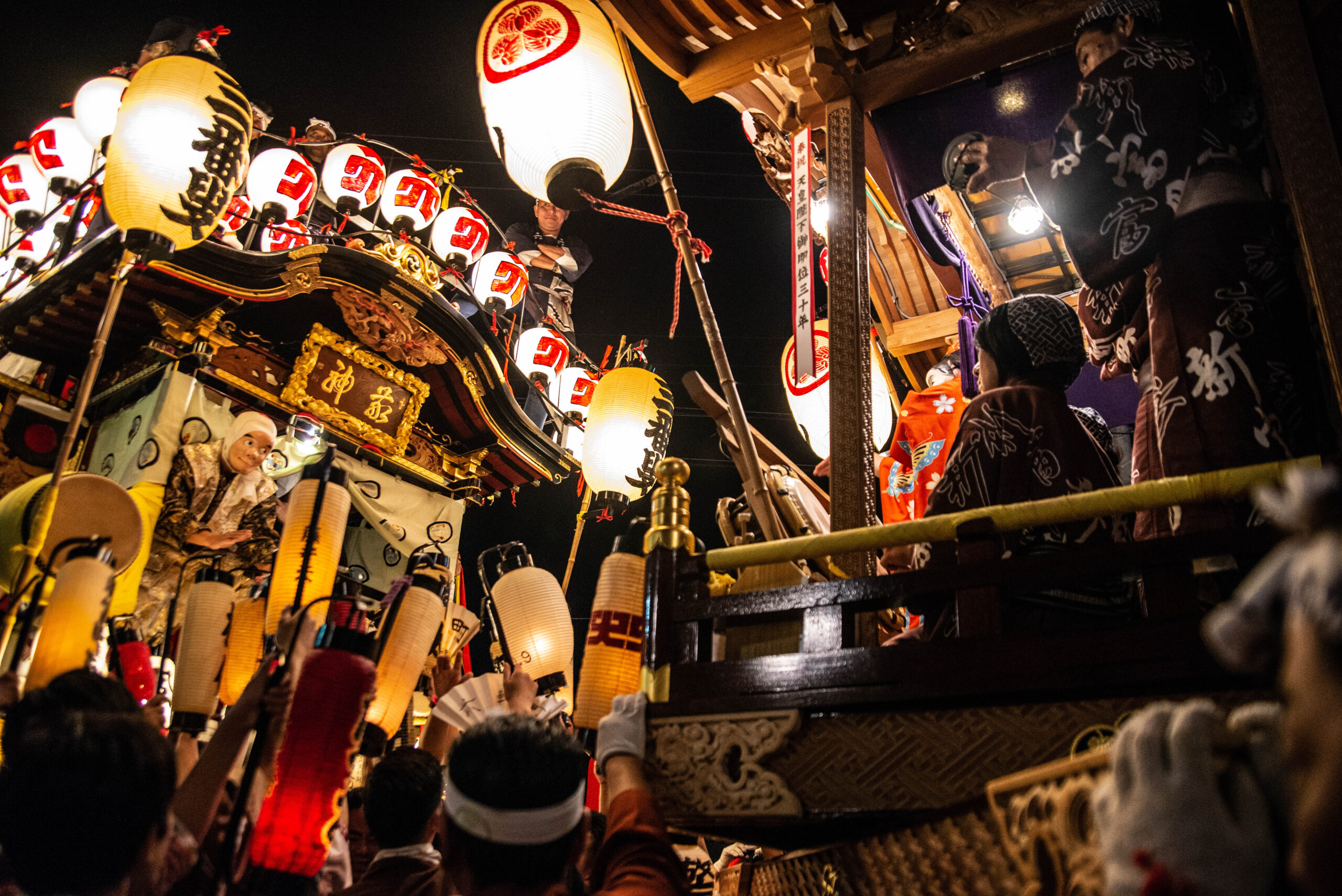
Renowned as Kawagoe’s signature festival, the Kawagoe Festival is a historic tradition registered as a UNESCO Intangible Cultural Heritage. Held every year on the third Sunday of October, it fills the entire town with excitement.
The biggest highlight is the “hikkawase,” in which festival floats face off head-to-head while crowds holding lanterns cheer them on in unison — a moment guaranteed to give you goosebumps. Once you’ve seen it, you’re sure to be hooked on its energy.
- Website: Kawagoe Festival Official Site
FAQ
Q. Can Kawagoe be enjoyed as a day trip? A. Yes, absolutely. With Kawagoe just about 30 minutes by train from Tokyo, half a day to a full day is enough to enjoy the main historic buildings and local food.
Q. When is the best time to visit Kawagoe? A. Each season has its own charm — the Enmusubi wind chimes in summer, and the Kawagoe Festival in October. The warehouse-lined streets themselves are enjoyable year-round, so we recommend timing your trip around whichever event interests you most.
Q. How much time should I set aside for sightseeing in Kawagoe? A. Visiting the main spots around Ichibangai alone takes about 2–3 hours. If you want to include food stops and the Kawagoe Castle Honmaru Goten, plan for around 4–5 hours to enjoy everything at a relaxed pace.
Where to stay: Kawagoe
Staying overnight in Kawagoe lets you explore at a relaxed pace and head out early before the crowds arrive.
Conclusion
Kawagoe offers excellent access from Tokyo, yet the moment you step into town, the atmosphere of the Edo period unfolds all around you. With its historic architecture, distinctive local food, and events that transform the town with each season, there’s always something new to discover, no matter how many times you visit.
For your next day off, we hope you’ll walk the streets of Koedo Kawagoe for yourself. It’s sure to be a day you won’t forget.
Thank you for reading to the end.
コメント