*This article contains affiliate links (advertising).
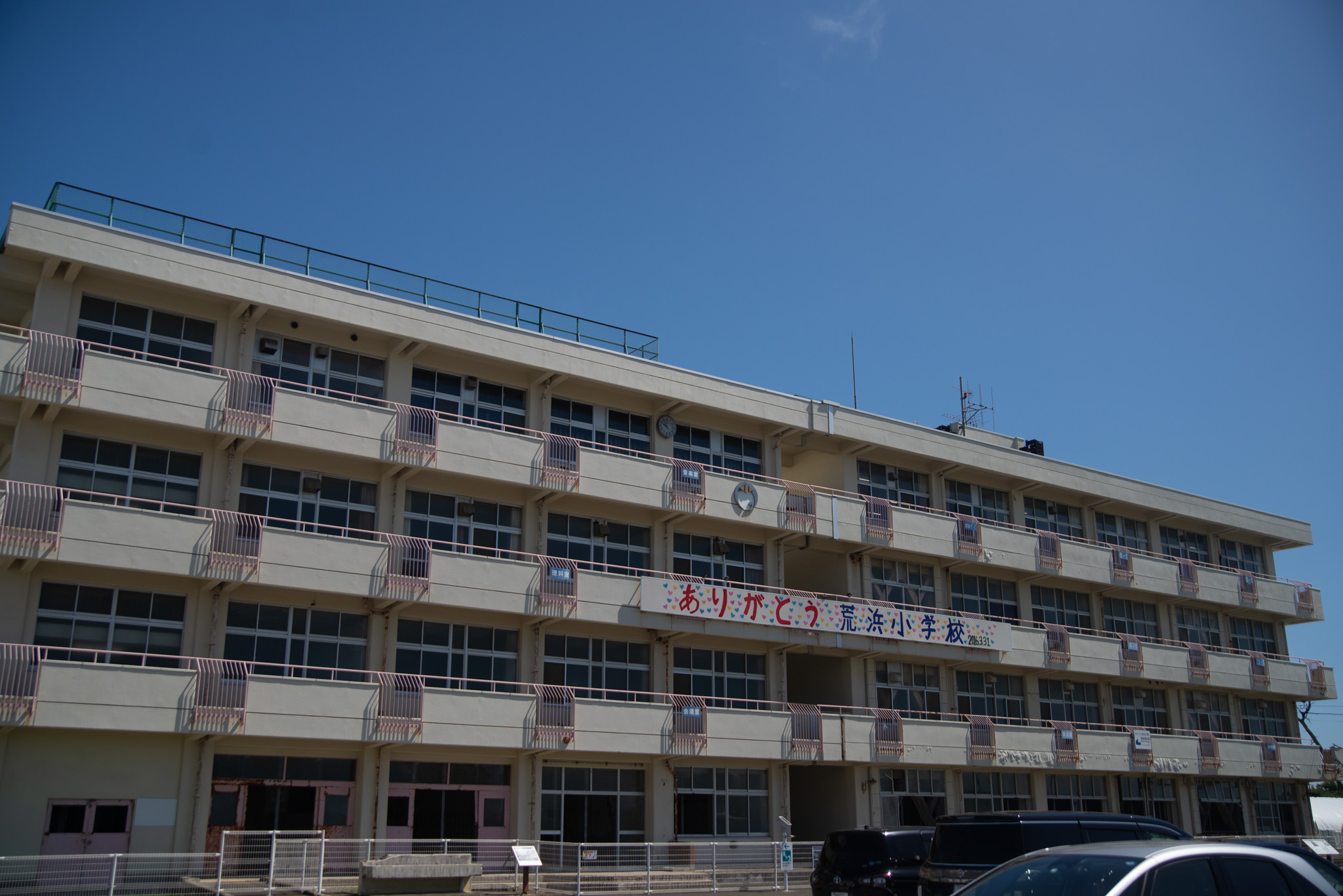
Arahama Elementary School in Sendai survived the tsunami of the 2011 Great East Japan Earthquake and now stands as one of Japan’s most powerful disaster memorial sites. Located about 20 minutes by car east of central Sendai, near Fukanuma Beach, the school building sits so close to the coast that you can see the ocean from its classrooms.
On March 11, 2011, the tsunami reached the second floor of the building, causing severe damage — yet the structure held. 320 students, teachers, and local residents survived by evacuating to the rooftop. In April 2017, the building reopened to the public as a disaster heritage site to pass on the lessons of the earthquake and preserve the memory of the community. It was the first school building in Japan to be permanently opened to the public as a tsunami memorial.
About Arahama Elementary School
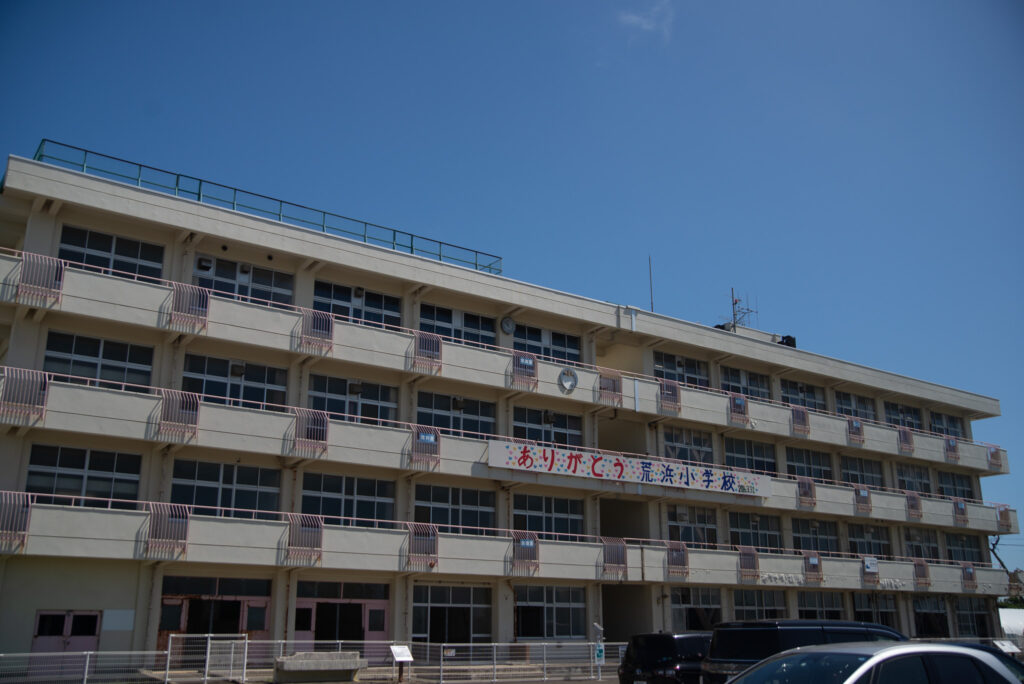
Arahama Elementary School once served the Arahama district of Wakabayashi Ward, Sendai, just a short walk from Fukanuma Beach. When the tsunami hit on March 11, 2011, water reached the second floor, but students, staff, and nearby residents all evacuated safely to the rooftop.
The surrounding Arahama neighborhood was almost entirely swept away, and today the school building is one of the only structures left standing in the area. Because the district was designated a disaster hazard zone, the school closed permanently in March 2016 and its students were transferred to nearby Shichigo Elementary School. The building itself was later preserved and opened as a memorial site.
The School Kitchen
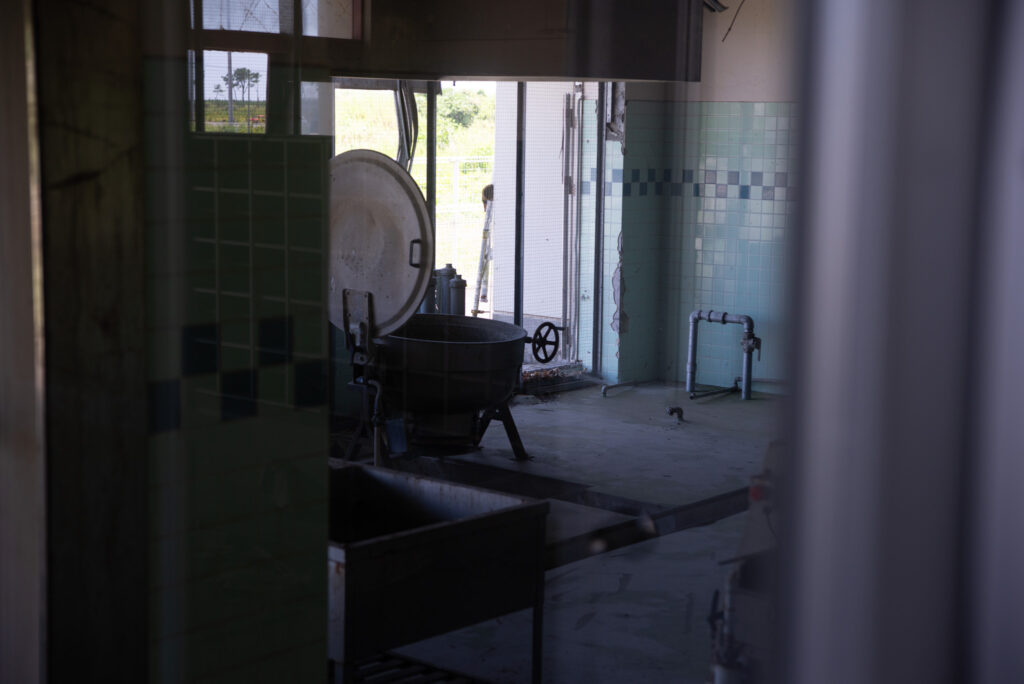
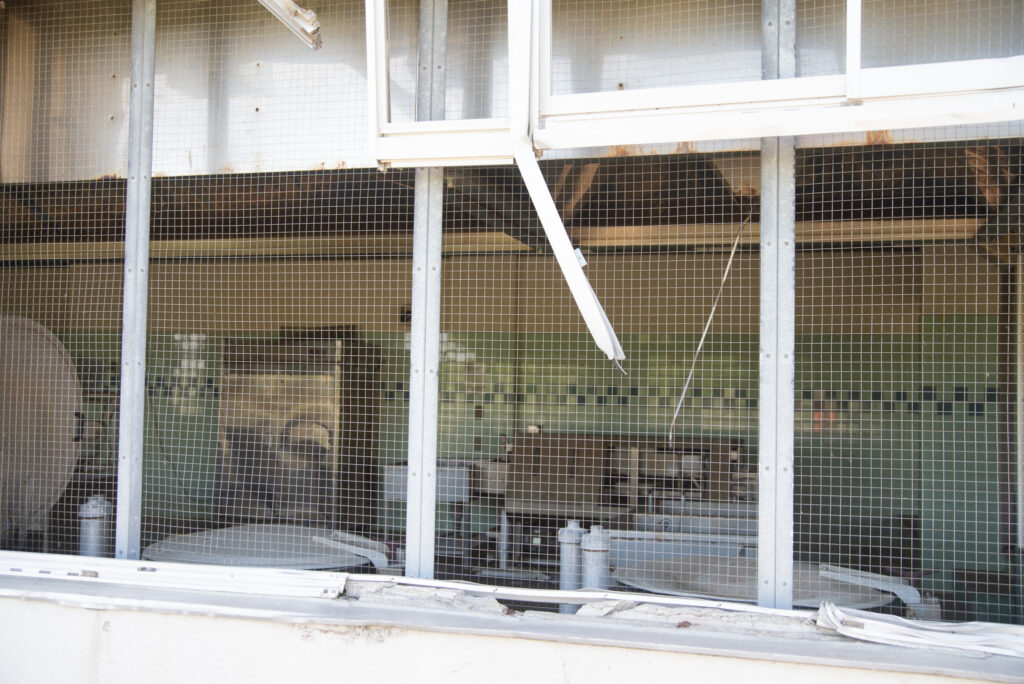
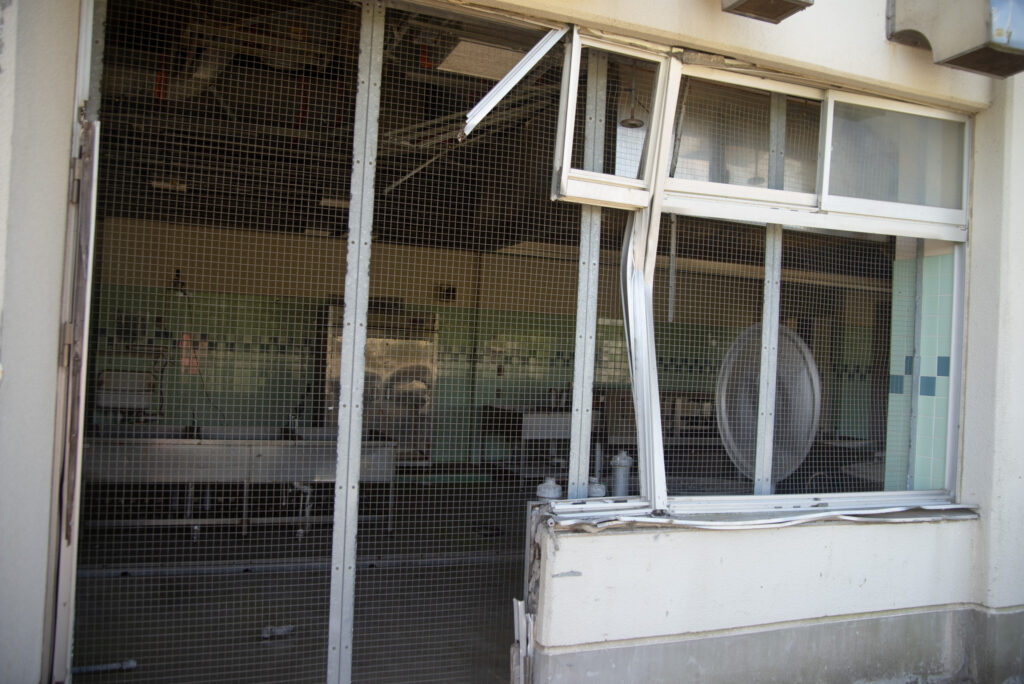
This room once served as the kitchen where school lunches were prepared. The debris has since been cleared, but the walls remain heavily damaged. Surprisingly, most of the kitchen equipment itself shows little visible damage — a sign of how the tsunami’s destructive force was concentrated on the building’s structure rather than every object inside it.
Where the Debris Struck
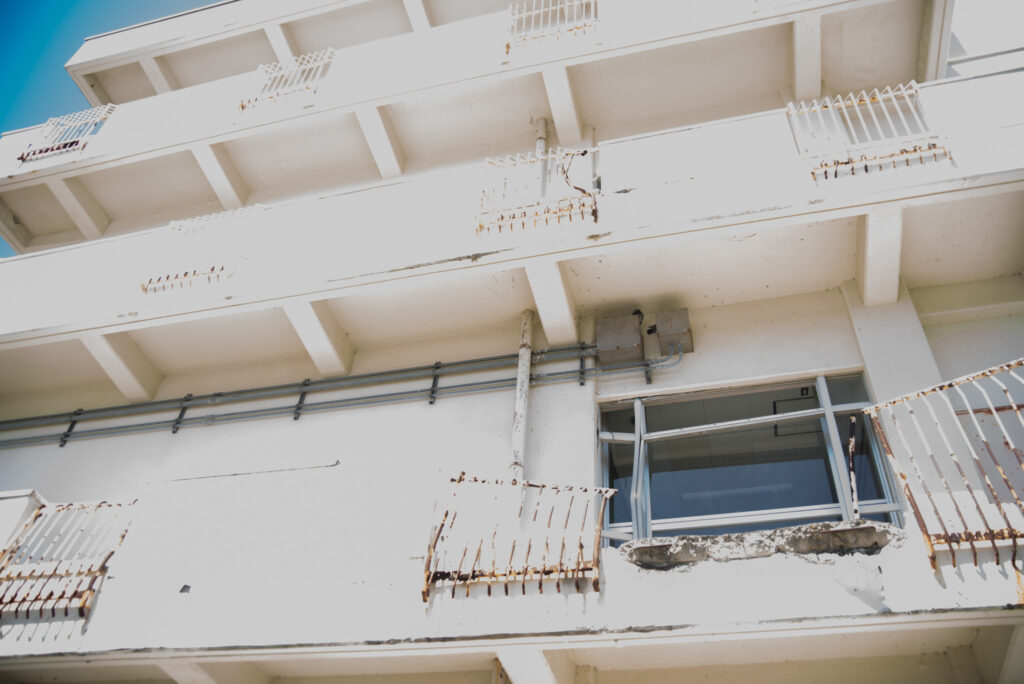
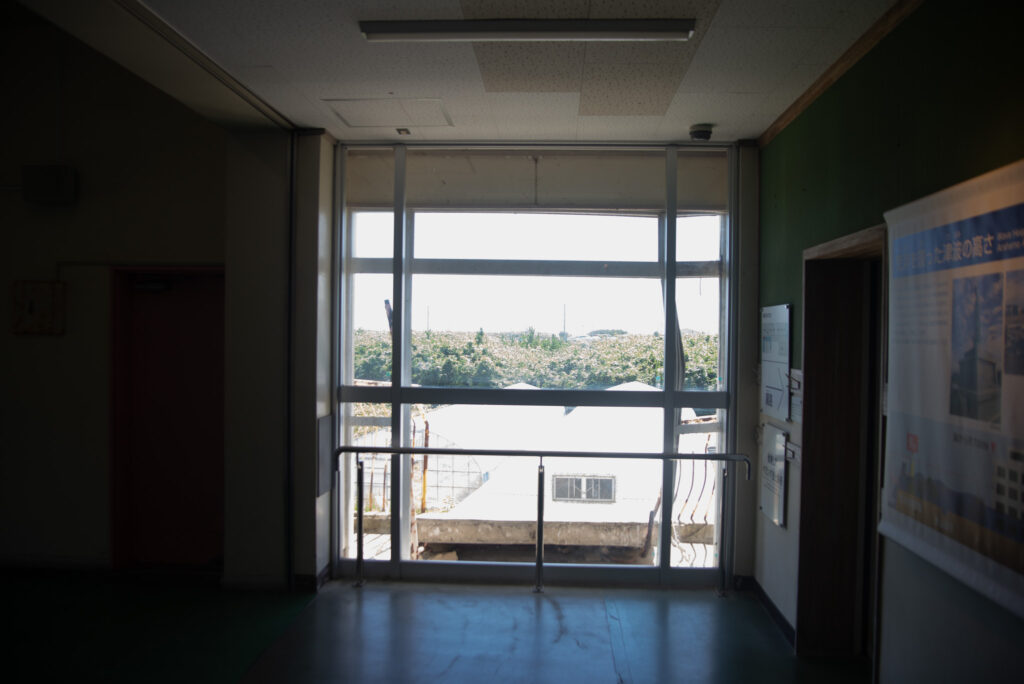
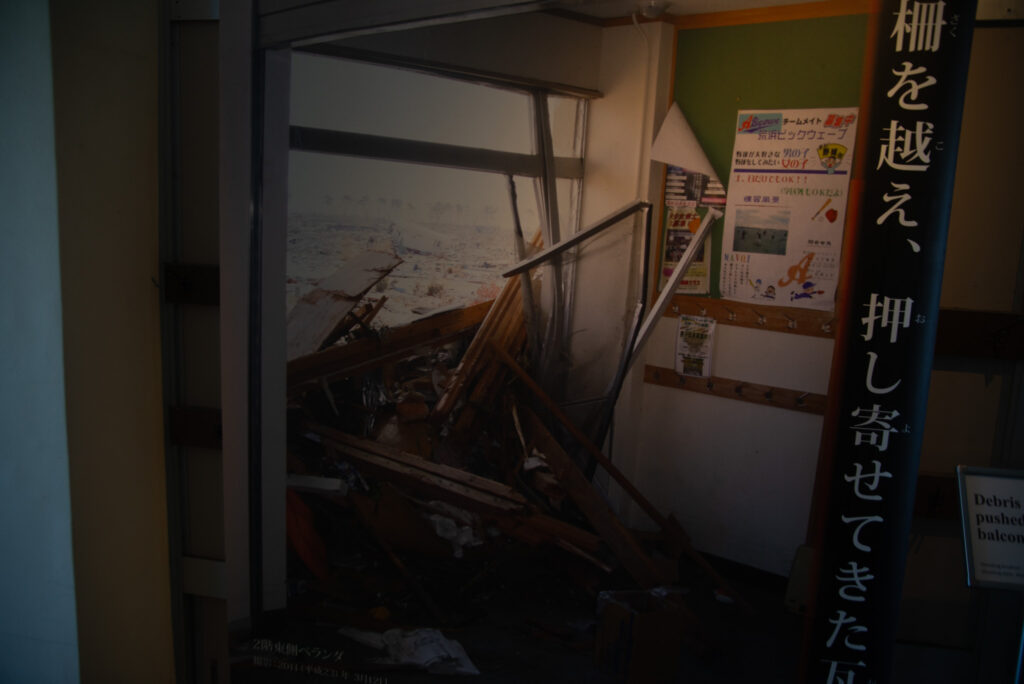
In one section of the building, part of the perimeter fence is simply missing — a section knocked out by debris carried in by the tsunami. Photographs taken at the time are on display inside, giving visitors a direct sense of just how powerful the wave was. Comparing present-day photos taken from the second floor with images from immediately after the disaster makes the scale of the destruction even clearer.
The Classrooms
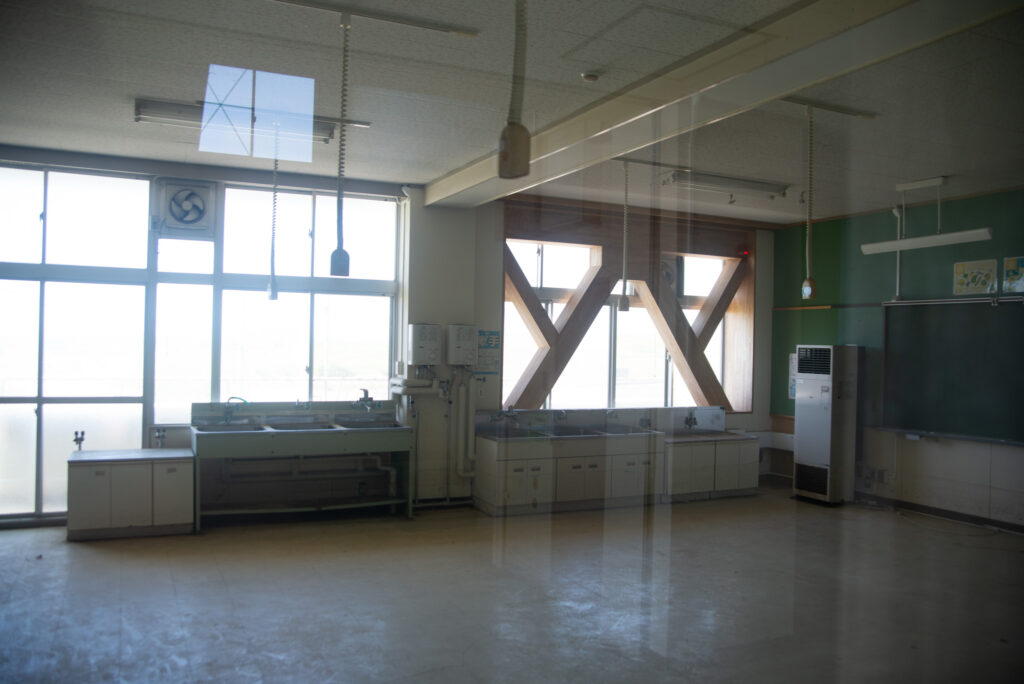
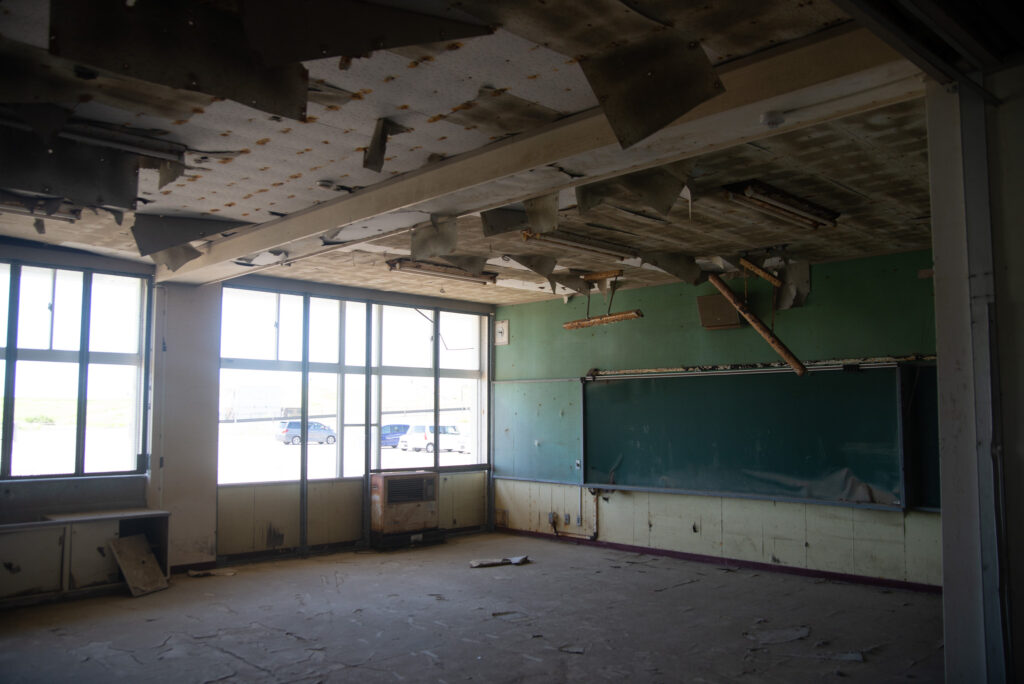
On the first floor, several classrooms remain exactly as the tsunami left them. Because the water reached the second floor, the first-floor classrooms were damaged almost up to the ceiling. Desks, chairs, and blackboards are preserved in place, conveying the chaos of that day.
Tsunami Marks That Remain Today
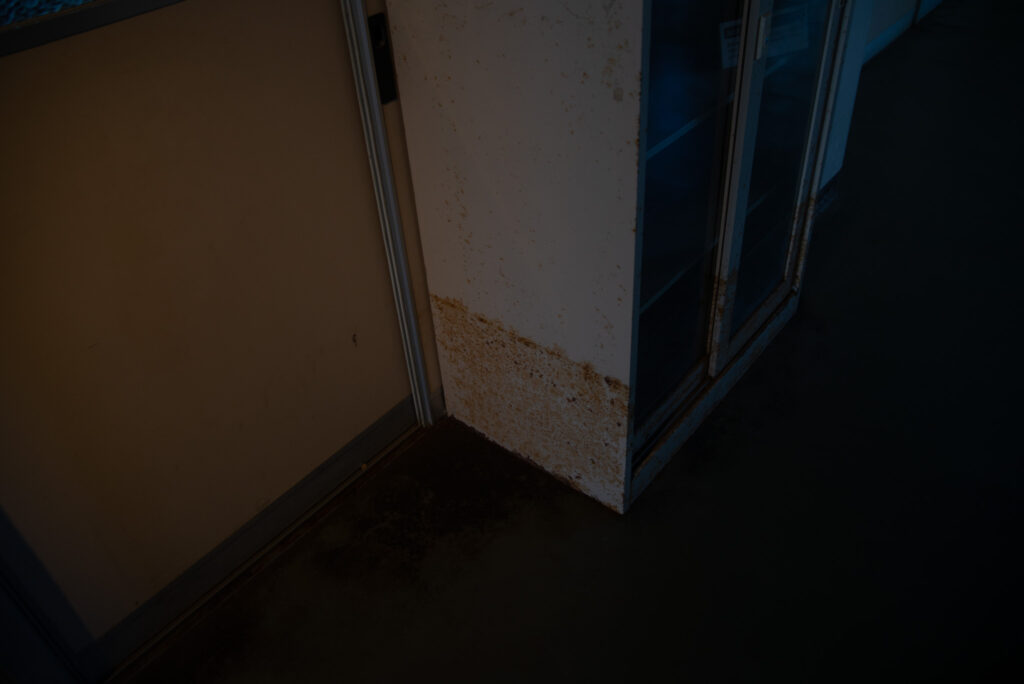
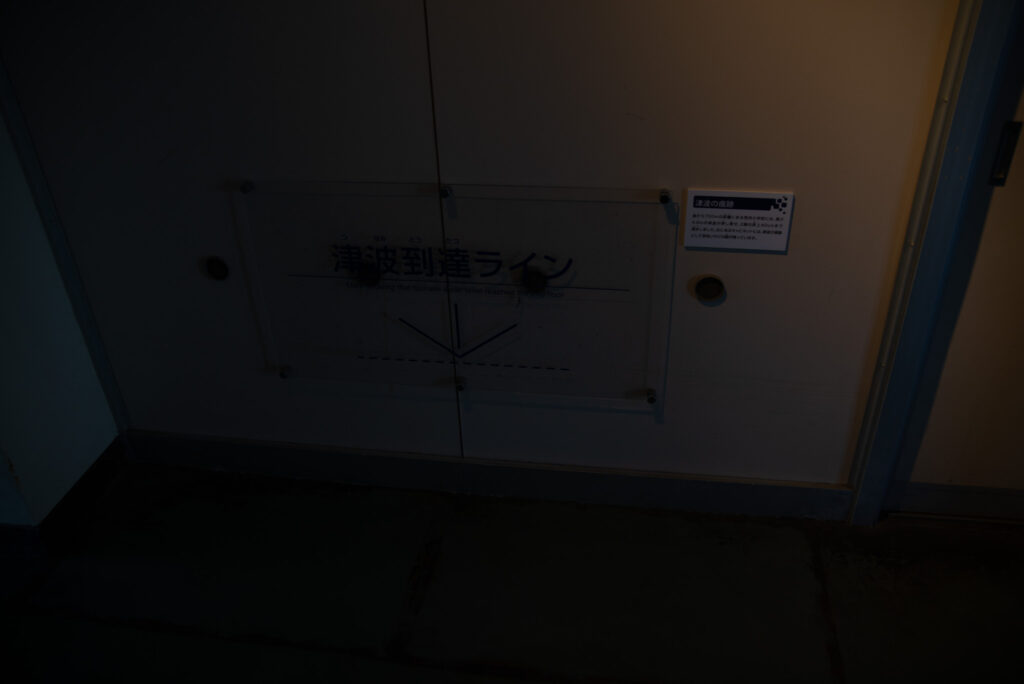
On the second floor, visitors can see the actual water line left by the tsunami. Numbers and photographs alone don’t fully convey the height of the wave — seeing the mark on the wall in person does. Standing in front of it is a genuinely unsettling experience.
The building also displays a clock stopped at the moment the tsunami struck, before-and-after photos of the Arahama district, and exhibits about life in the evacuation shelter that followed. On the fourth floor, a roughly 17-minute video walks visitors through the events of that day, drawing on survivor testimony. One former classroom now serves as a community exchange room, while another is dedicated to the history and culture of the Arahama district.
Access and Visitor Information
| Item | Details |
|---|---|
| Address | 32-1 Arahama Aza Shinborobata, Wakabayashi Ward, Sendai, Miyagi |
| Opening hours | 9:30 AM–4:00 PM (9:30 AM–5:00 PM in July and August) |
| Closed | Mondays and the 4th Thursday of each month (open if it falls on a holiday), and year-end/New Year (Dec 29–Jan 4) |
| Admission | Free |
| By train/bus | From Arai Station on the Tozai Subway Line, take a city bus (about 15 minutes) to the last stop, “震災遺構仙台市立荒浜小学校前” |
| By car | About 10 minutes from Sendai-Higashi IC on the Sendai-Tobu Road |
| Parking | Available (large buses accommodated) |
FAQ
How long does a visit take? Plan for about an hour, including the roughly 17-minute video on the fourth floor. Give yourself extra time if you want to read through all the exhibits.
Do I need to book in advance? No reservation is needed for individual visitors — you can walk in anytime during opening hours. Group visits are advised to contact the site ahead of time.
Is it suitable for children? Children are welcome, but some of the exhibits depict the tsunami damage in unflinching detail, so it’s worth considering your child’s age and sensitivity beforehand.
Are there other disaster memorial sites nearby? Yes — preserved house foundations are within walking distance, and many visitors also stop by the Sendai 3.11 Memorial Community Center nearby.
Where to stay: Sendai
Staying overnight in Sendai lets you explore at a relaxed pace and head out early before the crowds arrive.
Final Thoughts
The clock frozen at the moment the tsunami struck, the before-and-after photos of Arahama — everything here brings the reality of the 2011 disaster into sharp focus. The footage of the tsunami shown on site is something I still haven’t been able to forget.
This is a place worth visiting with children as well as adults — a chance to learn history that no classroom lesson can fully replace. Admission is free, so if you’re in Sendai, it’s well worth the trip.
コメント