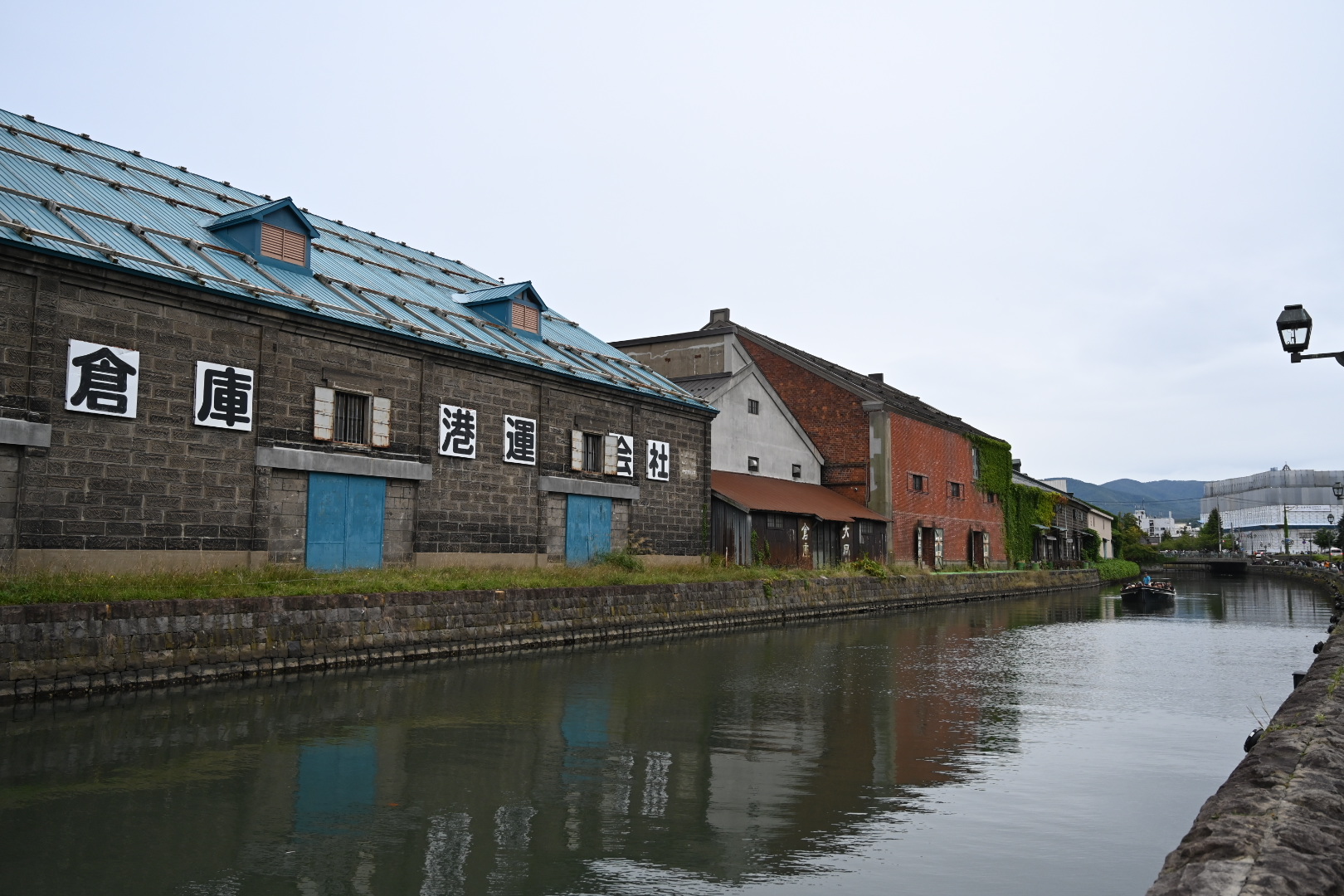
Otaru is widely known as one of Hokkaido’s premier tourist destinations. The Otaru Canal is its most famous landmark, but the city is packed with other sightseeing spots and restaurants well worth a visit.
In this guide, we share the attractions and restaurants we’ve personally visited and can genuinely recommend. We’ll keep adding more spots and eateries as we continue exploring Otaru.
A Brief History of Otaru
Otaru is a port city that flourished from the Meiji to Taisho eras thanks to coal exports. Growth accelerated further after the Russo-Japanese War, and the city eventually earned the nickname “the Wall Street of the North” as a hub of finance and commerce.
By the mid-Showa era, however, Otaru’s fortunes declined as energy shifted from coal to oil and the region’s economic center moved to Sapporo.
The turning point came in 1973, when local residents formed the “Society to Protect the Otaru Canal,” sparking a grassroots preservation movement to save the canal and the city’s historic streetscape. Thanks to this citizen-led effort, Otaru was reborn as a tourist city built around its historic scenery — the very charm it’s known for today.
Things to Do
Otaru Canal
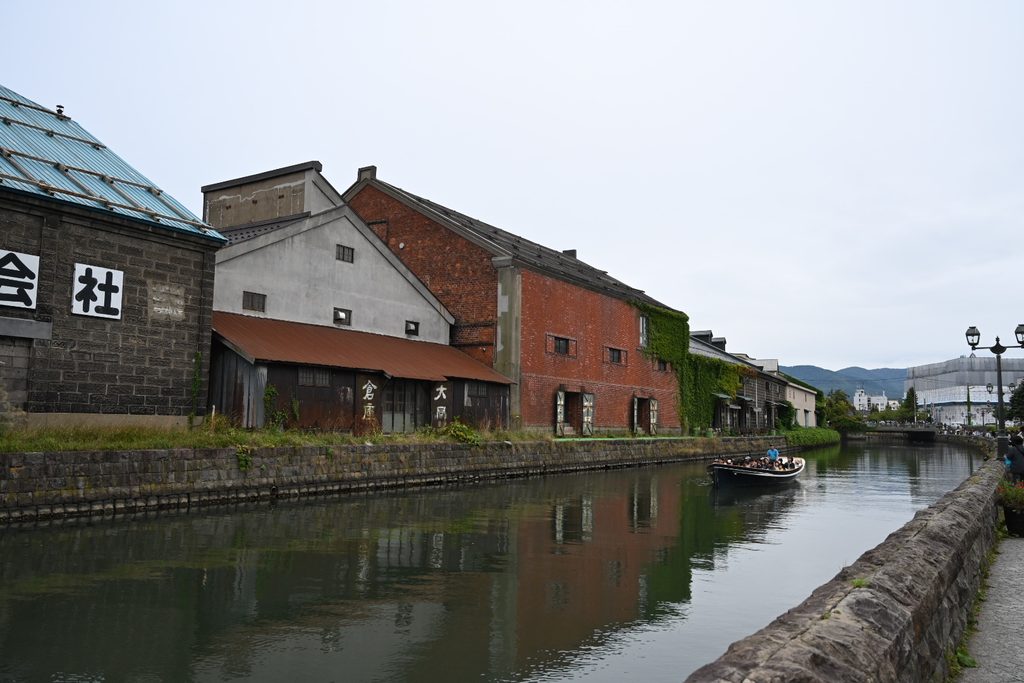
Mention Otaru, and the canal is likely the first thing that comes to mind. Built during the city’s heyday as a trading port, the canal allowed cargo to be efficiently loaded and unloaded from ships anchored offshore.
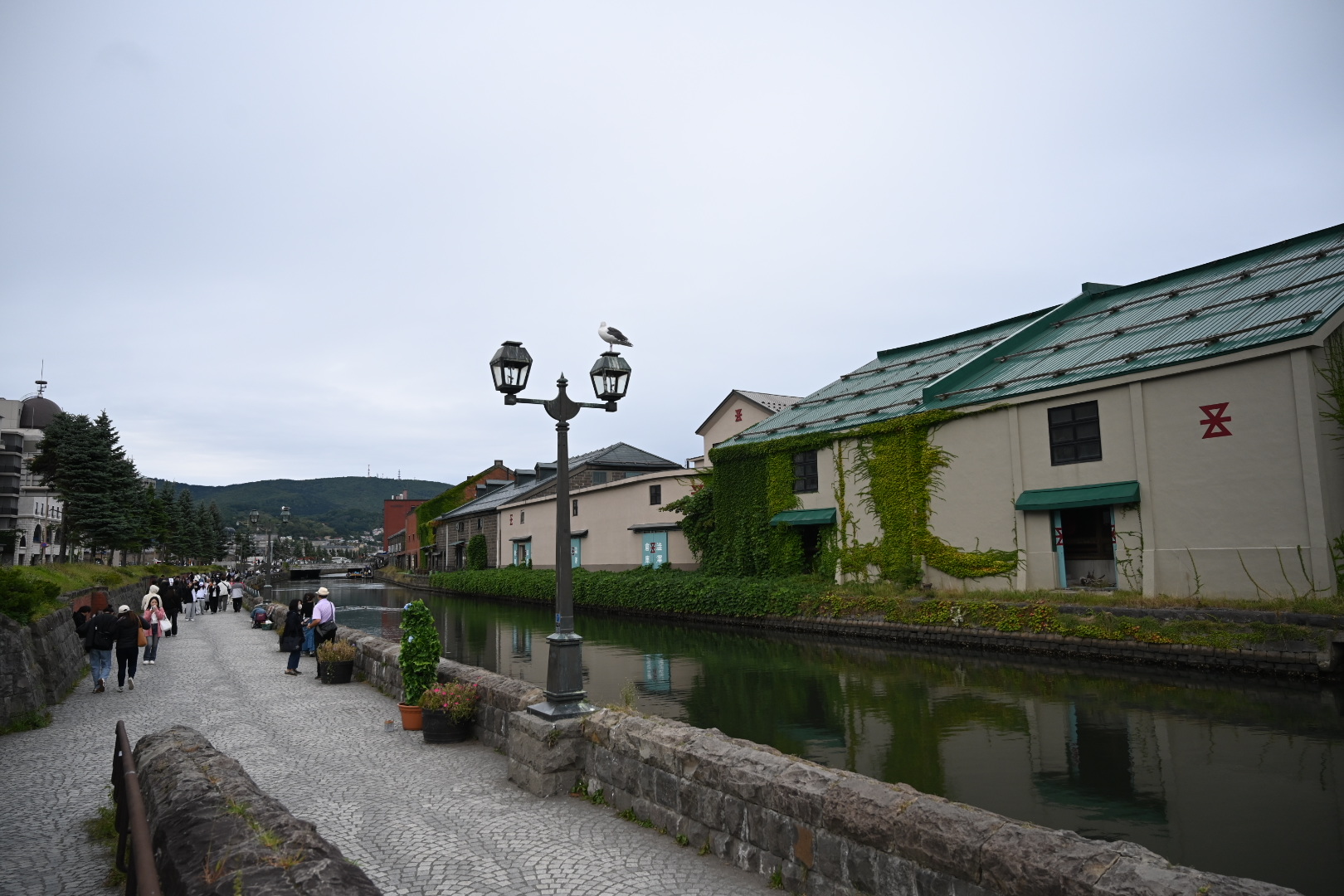
It was constructed using a rare method: land was reclaimed offshore parallel to the coast, leaving a waterway in between — a construction style unique to Otaru in Japan. Today the canal is lined with gas lamps and a scenic promenade, drawing visitors from Japan and abroad.
Click here for details.
The Warehouse District
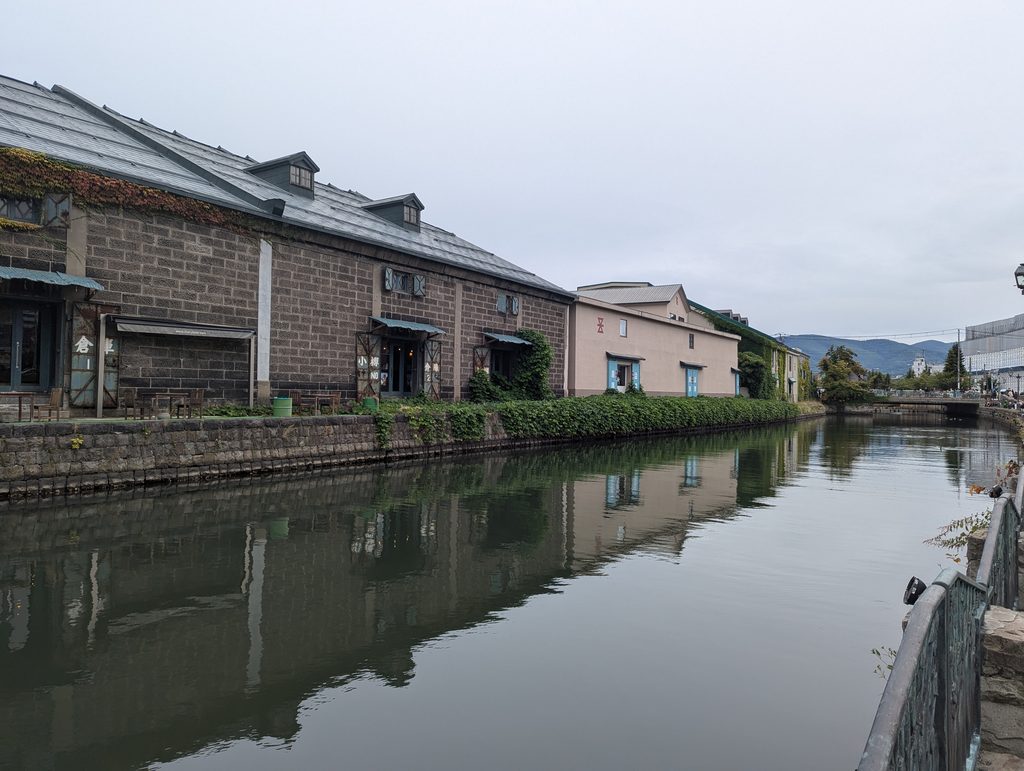
Lining the canal are rows of former storage warehouses built with a distinctive “wood-frame, stone-clad” construction style — wooden framing on the inside and stone on the outside.
Many of these historic warehouses have been converted into restaurants and shops, letting visitors soak in Otaru’s retro atmosphere while strolling along the canal.
The Bank of Japan Otaru Museum

During Otaru’s “Wall Street of the North” era, the Bank of Japan operated a branch here to handle the large sums of money moving through the city. The building was completed in 1912, designed by Kingo Tatsuno — often called the father of modern Japanese architecture — and his students.
The branch ceased operations in September 2002 and reopened the following year, in 2003, as the Bank of Japan Otaru Museum, a public information facility. Admission is free, and the museum offers accessible exhibits on the Bank of Japan’s history, operations, and the mechanics of the financial system.
Click here for details.

The Former Temiya Line Trail
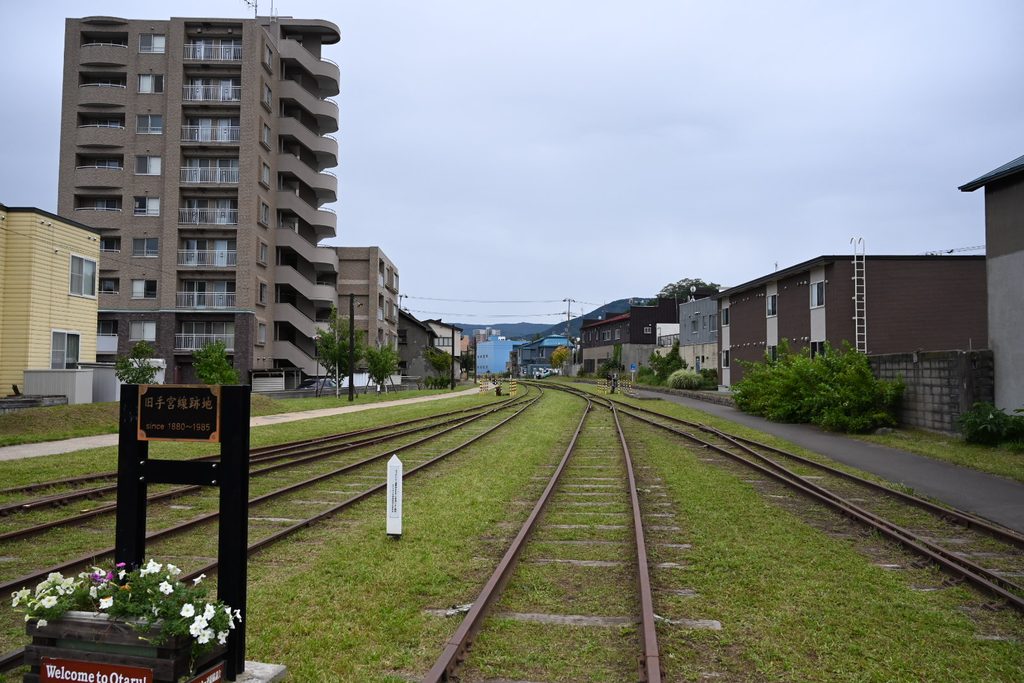
This is the trail of a former railway line originally built to carry coal from the Horonai mine in Mikasa to the port of Otaru. The section between Temiya and Sapporo opened in 1880, and the full line was completed two years later in 1882.
After the railway was nationalized, the line became known as the Temiya Line. Passenger service ended in 1962, and the line was fully decommissioned in 1985. Between 2001 and 2016, the former railbed was converted into a walking trail, and today the roughly 1.6-km path still preserves the original tracks and railway crossings, making it a favorite spot for visitors.
Otaru City General Museum (Main Building)
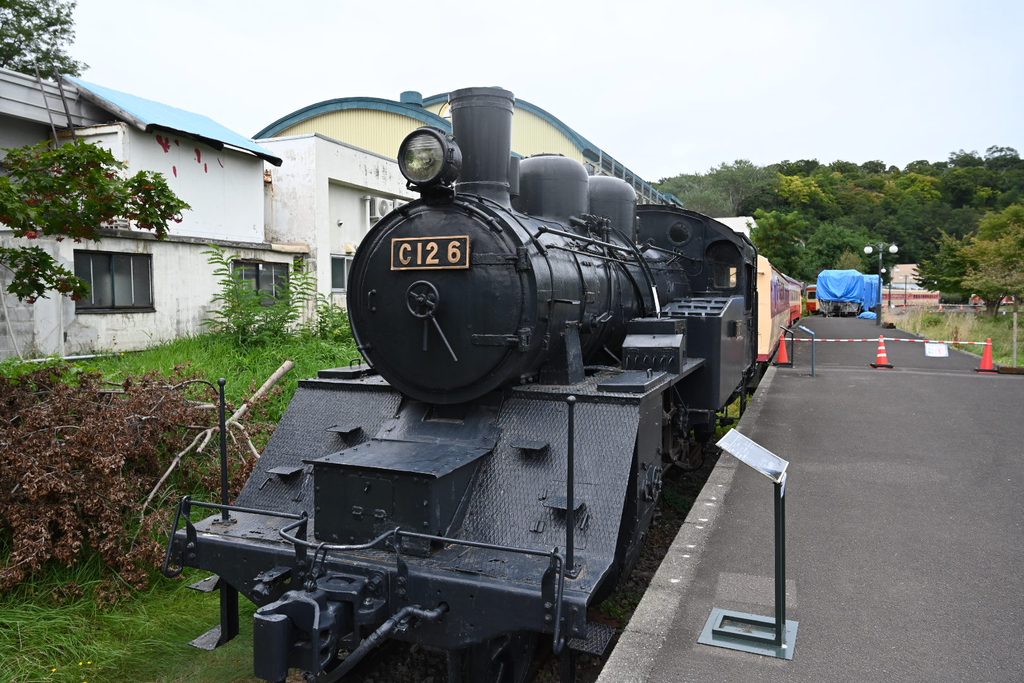
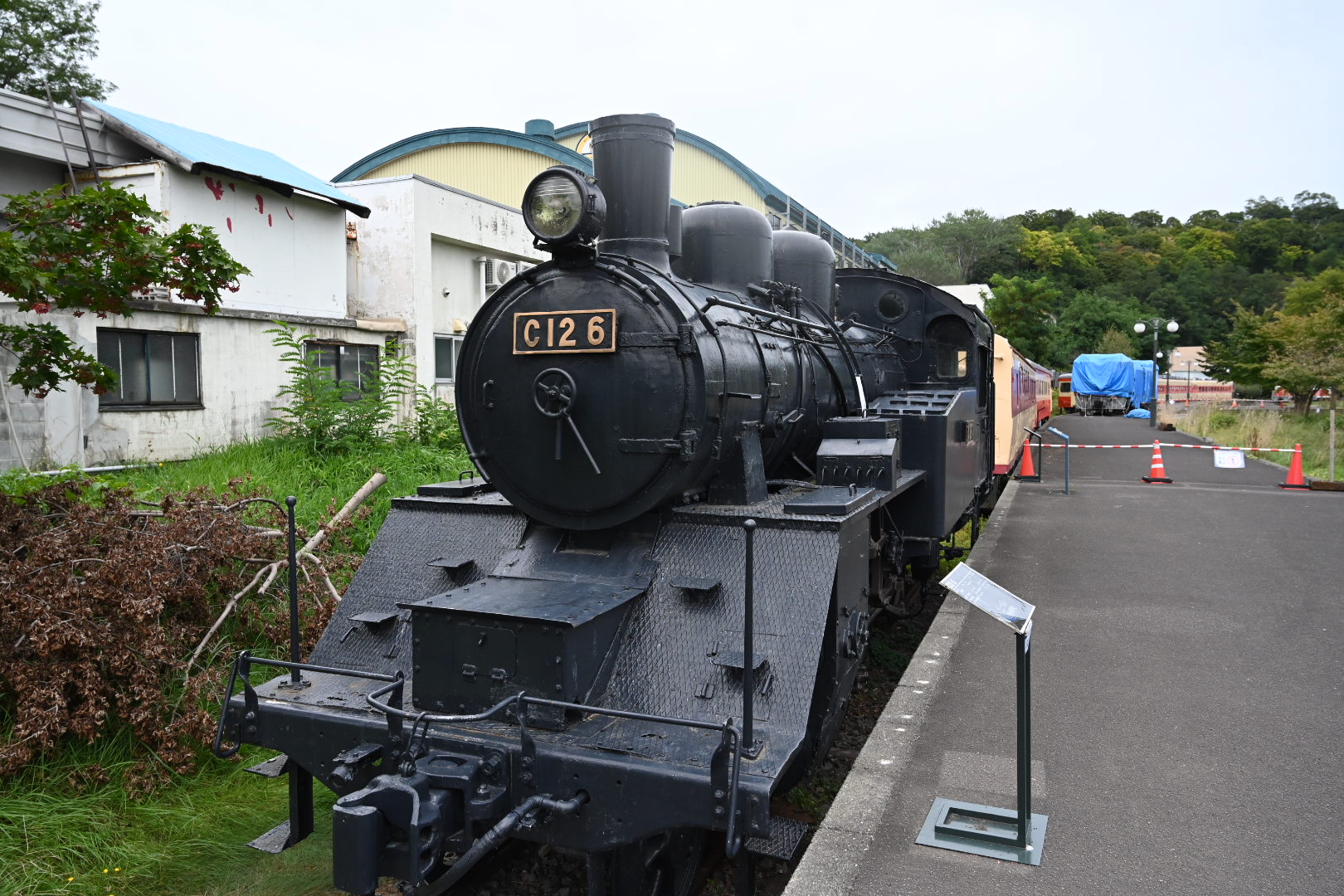
Built at the former terminus of the Temiya Line, the Otaru City General Museum showcases a large collection of railway vehicles connected to Hokkaido’s history, including snowplow locomotives built for the region’s heavy snowfall and vintage steam engines. It’s an engaging stop for visitors of all ages.
Click here for details.
Otaru Music Box Museum (Main Building)
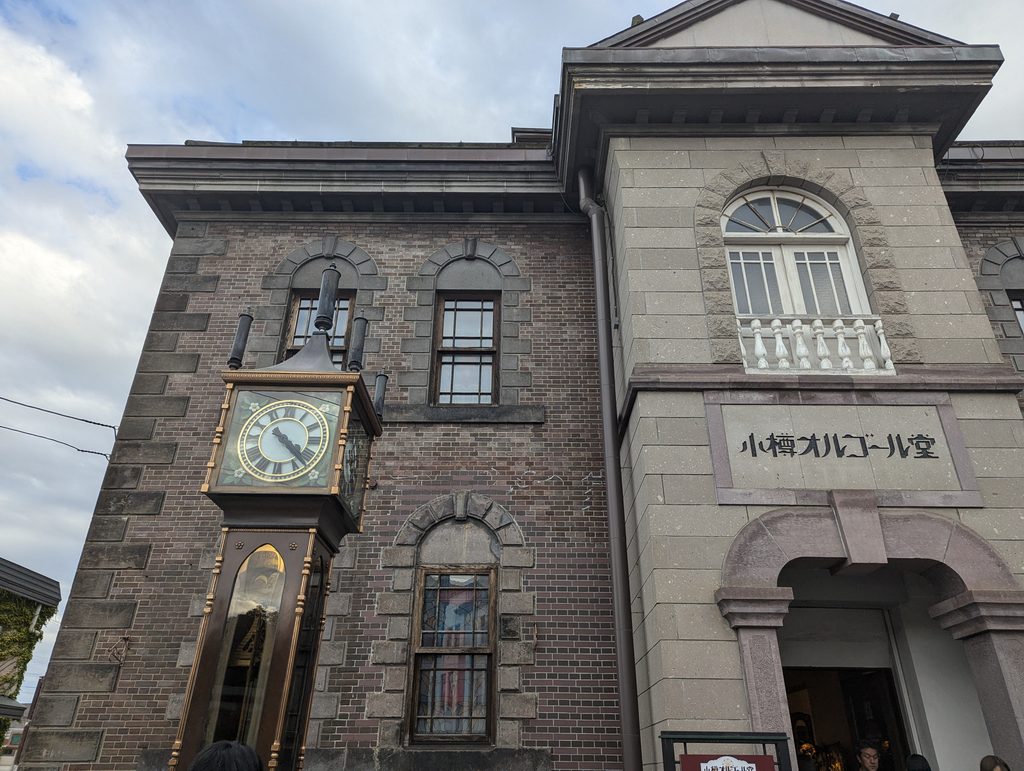
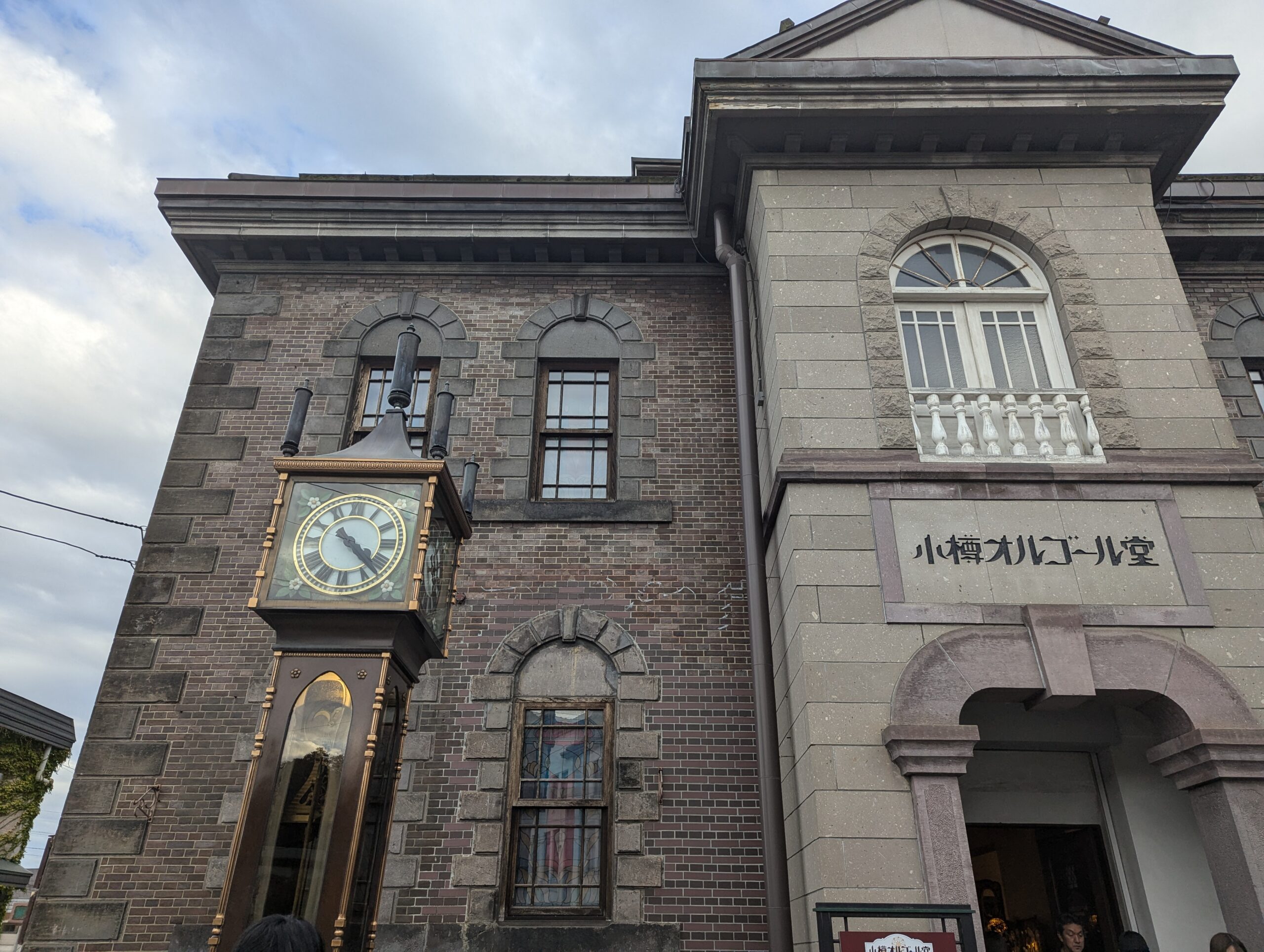
About a 7-minute walk from Minami-Otaru Station, this specialty shop sells around 3,200 different music boxes. Out front stands a large steam clock — the second ever built by Raymond Saunders, the inventor of the world’s first steam clock.
Inside, you’ll find music box designs unlike anything you’ve seen before — a delightful space to browse even if you’re not planning to buy.
Click here for details.
Where to Eat
Otaru Sankaku Market
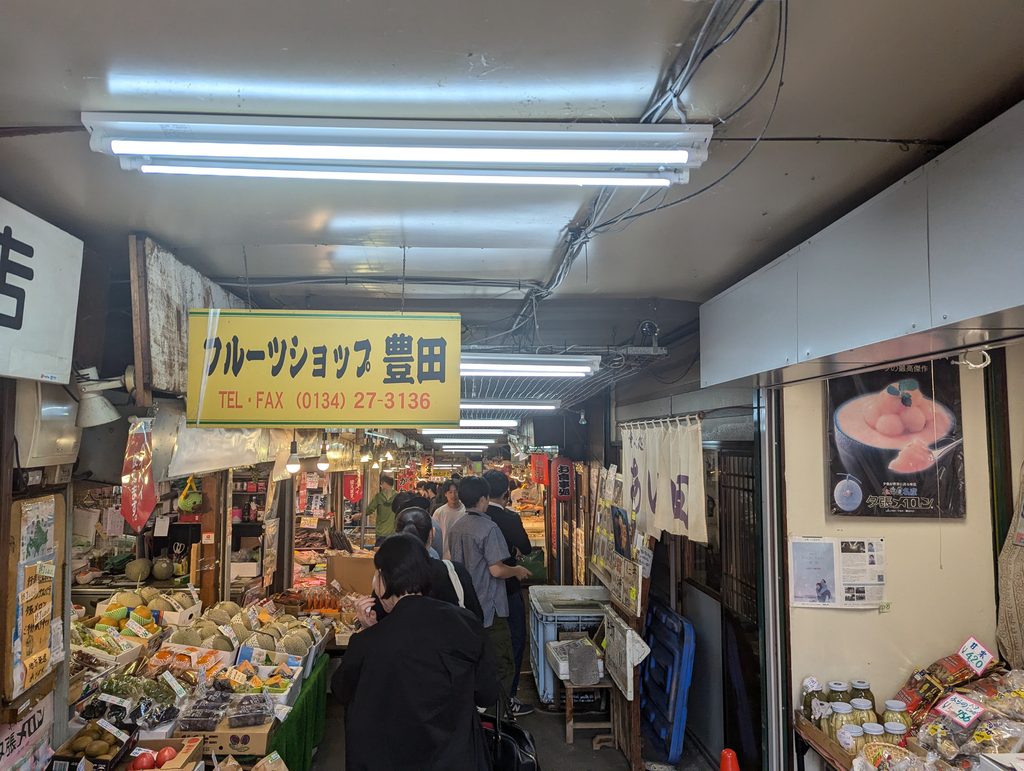
Just steps from JR Otaru Station, Sankaku Market has been trading in seafood, prepared foods, and vegetables since it opened in 1948. Several small eateries inside the market serve fresh seafood rice bowls (kaisendon), making it a great choice if you’re craving a hearty, fresh seafood meal.
One thing to keep in mind: try to avoid visiting on weekends. The market’s aisles are narrow, and its location right by Otaru Station draws large crowds — on a weekend visit we found it packed shoulder-to-shoulder. For a more relaxed experience, go early in the morning or on a weekday.
Sampachi Ramen
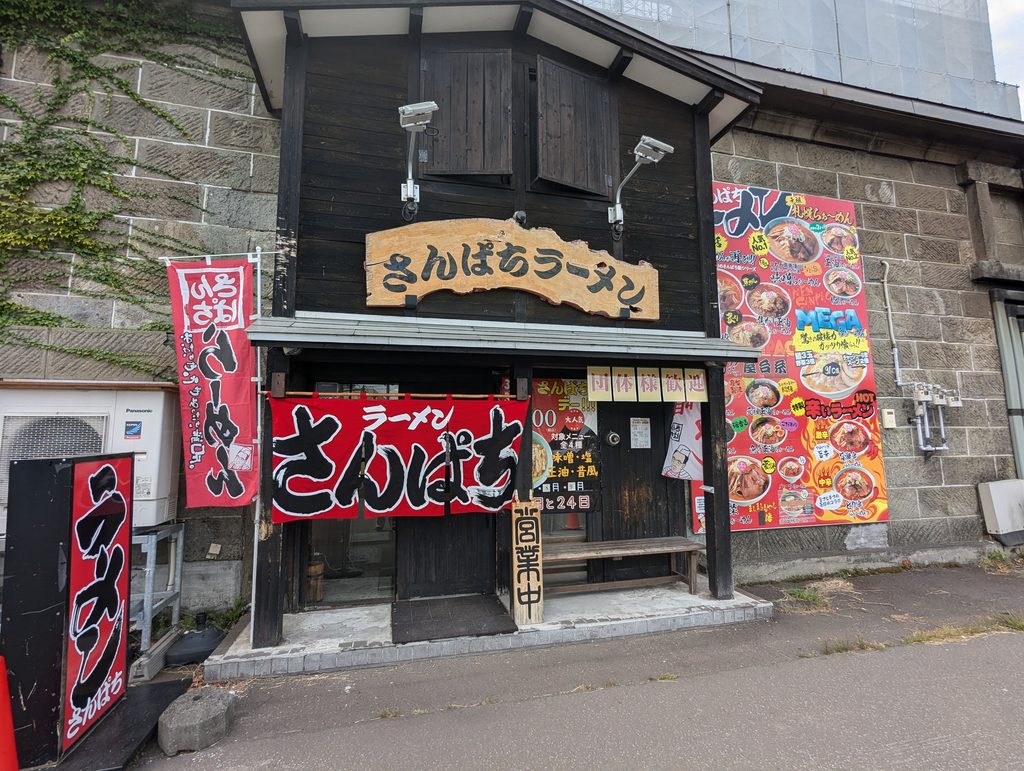
Otaru is known for its seafood, but if you’re also craving Hokkaido-style ramen, Sampachi Ramen is worth seeking out. The menu includes miso and shoyu (soy sauce) ramen, and the rich, flavorful broth has earned it a loyal following.
The restaurant can be a little tricky to find, as you’ll need to pass through what looks like a parking area to reach it — it’s a good idea to check the location on a map before you go.
Conclusion
That wraps up our recommended sightseeing spots in Otaru. This is a city where you can still feel the prosperity of its “Wall Street of the North” era in every corner.
With Sapporo just a little over an hour away by train, Otaru is easy to reach even as a day trip. If you’re planning a trip to Hokkaido, be sure to add Otaru to your itinerary.
Thank you for reading to the end!