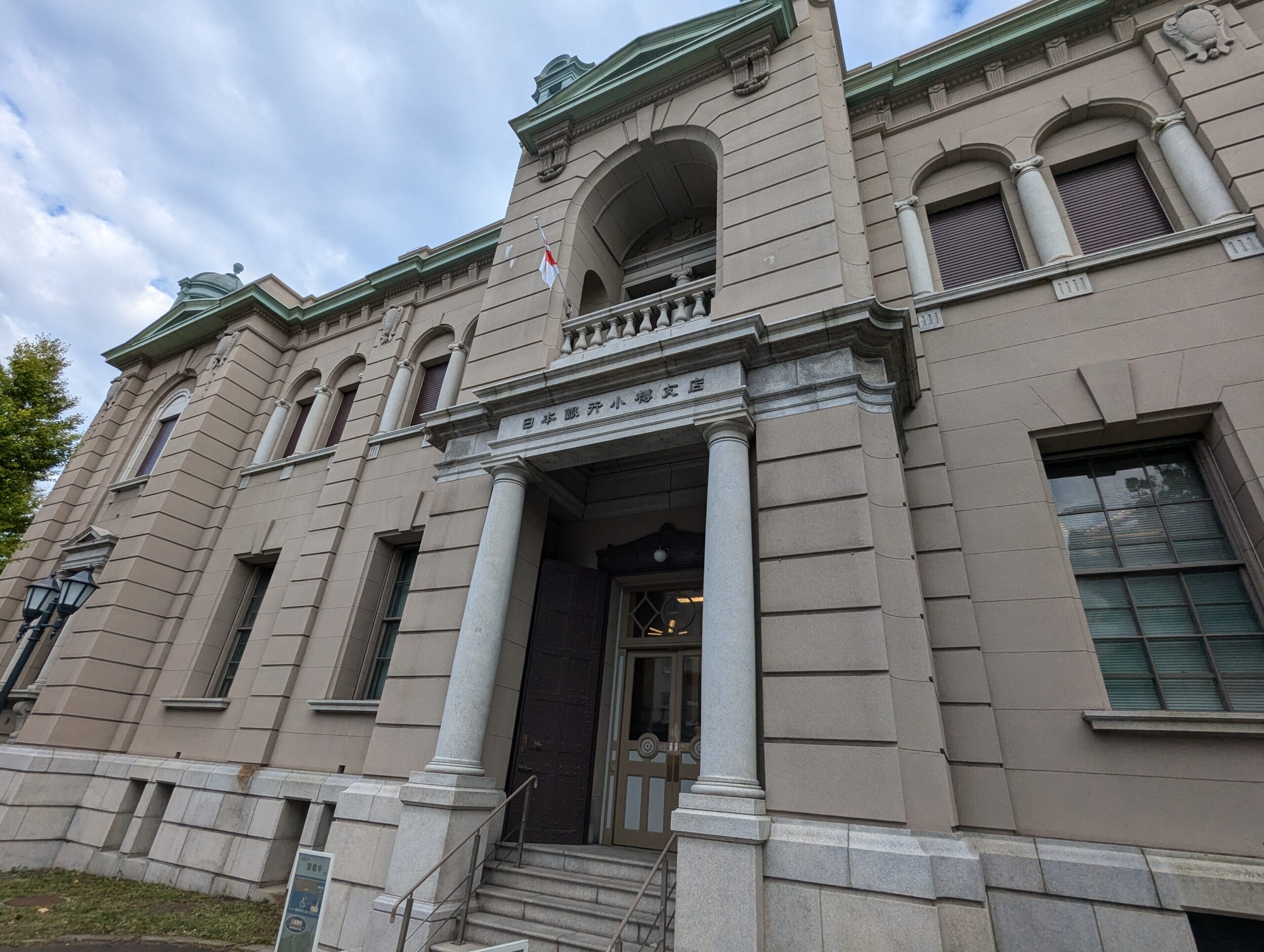
Otaru was once known as the “Wall Street of the North,” and one of its most iconic buildings, the Old Bank of Japan Otaru Branch, still stands as a symbol of that era. Today it’s open to the public as the Bank of Japan Otaru Branch Museum of Currency, where visitors can learn about the Bank of Japan’s history and how money works.
What was the Bank of Japan’s Otaru branch, exactly? What can you see there today? And what’s it actually like to visit? This guide covers the building’s history, how to get there, what’s on display, and impressions from an actual visit — for anyone planning to stop by or still deciding whether to add it to their itinerary.
Why Did the Bank of Japan Open a Branch in Otaru?
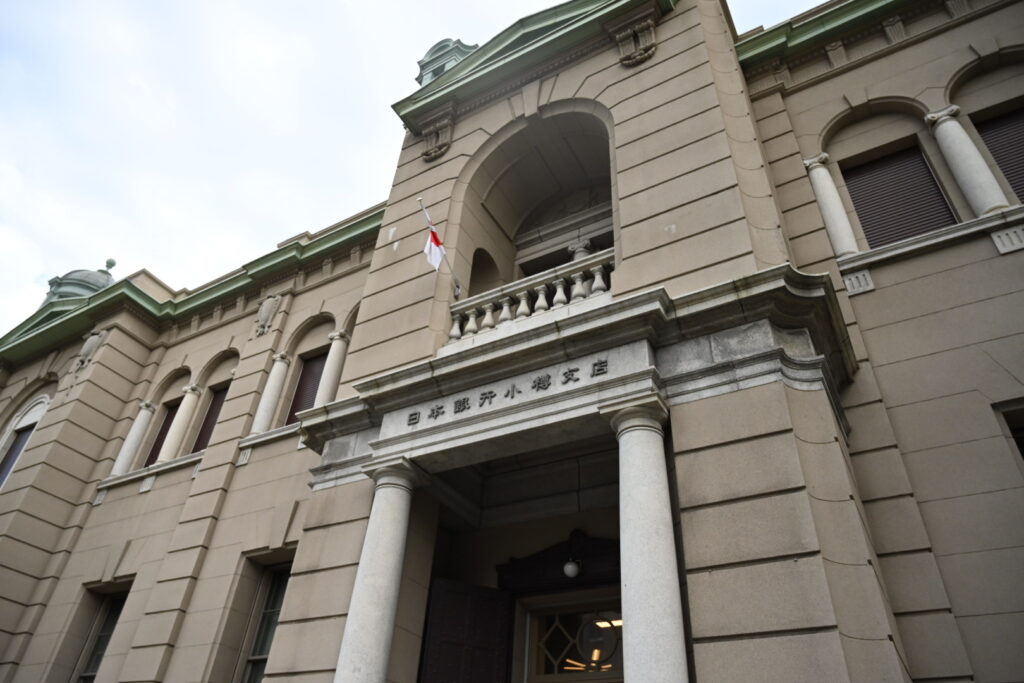
Otaru was once such a thriving financial center that it earned the nickname “Wall Street of the North.” During the development of Hokkaido, the city grew rapidly as a shipping port for goods, and commercial banks and trading companies flocked there as a result. As trade expanded, the region needed a stable hub for supplying and managing large sums of currency, and the Bank of Japan established its Otaru branch to help circulate banknotes and support the local economy.
The current building was completed in 1912, designed by Tatsuno Kingo — also known for Tokyo Station and the Bank of Japan’s main headquarters — along with his student Nagano Uheiji. Its stone-clad exterior and elegant Renaissance-style detailing still convey a sense of the city’s former prosperity over a century later, and the building is now designated a tangible cultural property of Otaru City.
Now a Free Museum of Currency
As Japan’s postwar industrial landscape shifted and Sapporo grew into the region’s economic center, the Otaru branch’s operations were consolidated into the Sapporo branch and the branch was closed in 2002. To preserve a building so cherished by the local community, the Bank of Japan reopened it in 2003 as the Museum of Currency, keeping much of the original interior and exterior intact. Exhibits cover the history of the Bank of Japan, the role the Otaru branch played in the local economy, and a “banknote gallery” tracing Japanese currency from the postwar period to today. Since opening, it has welcomed roughly 100,000 visitors a year and become one of Otaru’s most popular attractions.
How to Get There
The museum is about an 11-minute walk from Otaru Station. Exit the station, turn right, and head straight down Nichigin-dori (also known as Asakusa-dori) to reach it. It pairs well with a visit to the Otaru Canal or Sakaimachi Street.
Basic Information
| Item | Details |
|---|---|
| Admission | Free |
| Hours (summer, April–November) | 9:30 AM–5:00 PM (last entry 4:30 PM) |
| Hours (winter, December–March) | 10:00 AM–5:00 PM (last entry 4:30 PM) |
| Closed | Wednesdays (open if a national holiday falls on Wednesday); year-end/New Year (Dec 29–Jan 5); occasional closures for exhibit changes |
| Guided tours | Staff-led exhibit tours at 2:00–2:30 PM and 3:00–3:30 PM (Japanese only). No reservation needed — just gather at the exhibition hall entrance at the start time. Limited to 20 people per session |
What It’s Actually Like to Visit
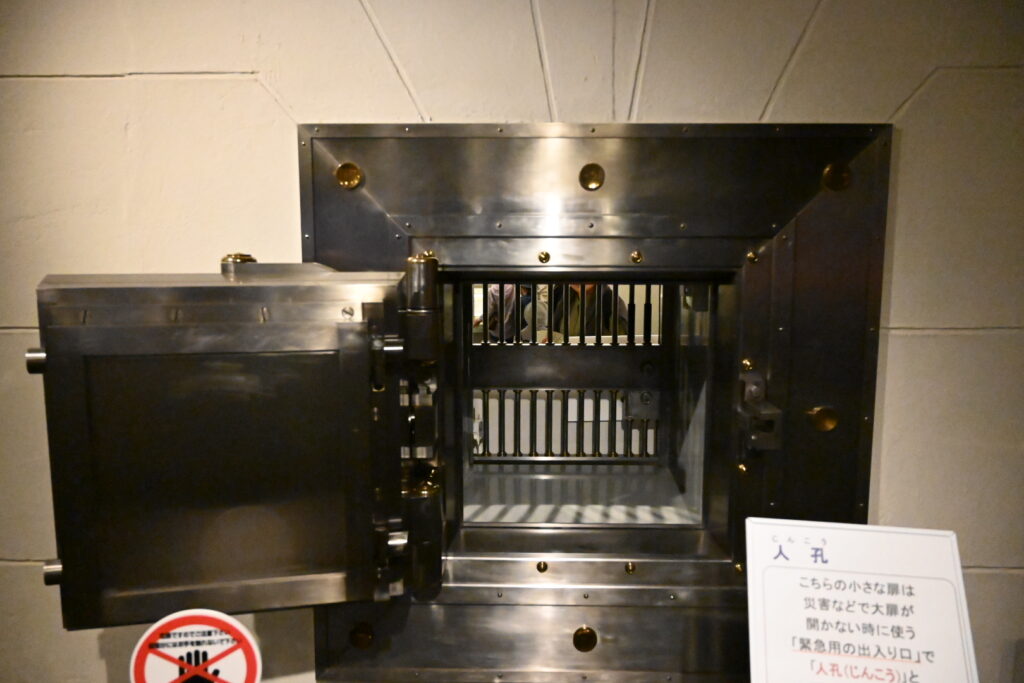
Visiting the old Otaru branch turned out to be a great opportunity to see inside a bank building and learn about the region’s economic history in a way you rarely get to otherwise.
The interior has been preserved almost exactly as it was when the building was completed, giving it a weighty, historic atmosphere completely different from a modern bank. I didn’t know much about Hokkaido’s history going in, but the exhibits gave a clear sense of how the region developed over time.
The highlight, though, was being able to actually walk into the vault. There’s a hands-on corner where you can lift a replica of ¥100 million in cash and feel just how heavy it is — genuinely fun even as an adult. The explanations of the anti-counterfeiting technology built into banknotes were also easy to follow, making this a museum that both kids and adults can enjoy.
Summary
Built to support the economy of Otaru during its days as the “Wall Street of the North,” the old Bank of Japan branch has been reborn as a free museum where visitors can learn about Hokkaido’s economic history and Otaru’s development.
The Tatsuno Kingo-designed building is worth seeing on its own, but the museum’s real charm lies in its hands-on exhibits — from touring the vault to lifting ¥100 million in replica cash. If you’re sightseeing in Otaru, it’s well worth a stop.
Thank you for reading to the end.
コメント