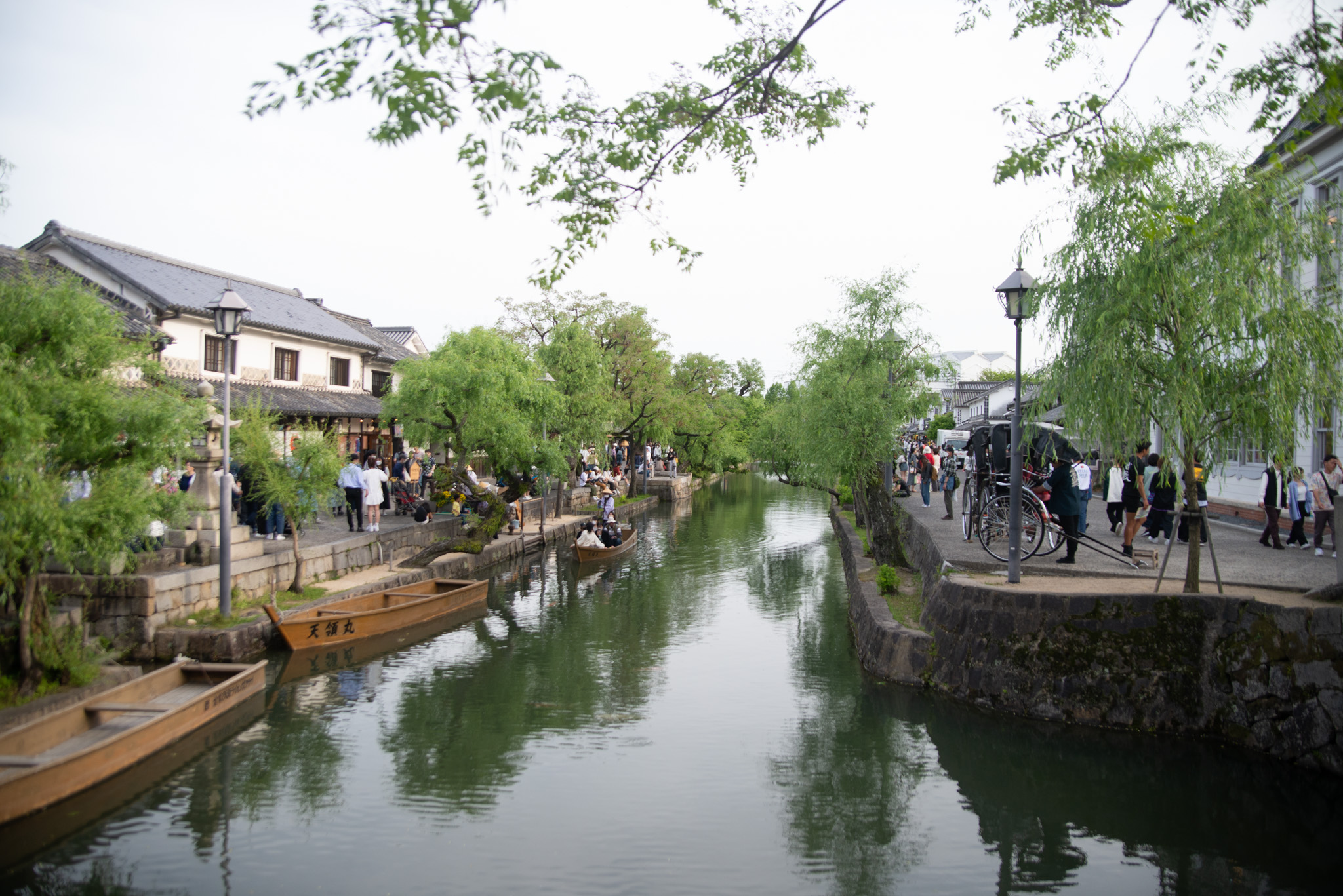
The Kurashiki Bikan Historical Quarter in Kurashiki City, Okayama Prefecture, is a townscape of white-walled storehouses and traditional townhouses lining both banks of the Kurashiki River. It is within walking distance of Kurashiki Station, and you can enjoy a riverside stroll, art museums, visits to old merchant houses, and shopping all in one trip.
In this article, I introduce how to walk around the Kurashiki Bikan Historical Quarter together with photos I took myself. It covers how to get there from Kurashiki Station, the highlights along the Kurashiki River, the Ohara Museum of Art and Kataraiza Ohara Hontei, Kurashiki Denim Street, and the Kurashiki Museum of Natural History, which is a good stop on rainy days.
The photos were taken on a sunny day in May 2023 and on a rainy day in May 2025. Opening hours and fees were checked on official websites and other sources on November 9, 2026. Please check the latest information before you go.
- Access to the Kurashiki Bikan Historical Quarter
- What Is the Kurashiki Bikan Historical Quarter Like?
- The White-Walled Townscape and River Boats of the Kurashiki River
- Walking the Namako-Kabe Alleys and Honmachi Street
- Ohara Museum of Art
- Kataraiza Ohara Hontei
- Street Food at Kurashiki Denim Street
- On Rainy Days, Try the Kurashiki Museum of Natural History
- How to Get Around the Kurashiki Bikan Historical Quarter (Sample Route)
- Frequently Asked Questions
- Summary
Access to the Kurashiki Bikan Historical Quarter
According to Kurashiki Kanko Web, the Kurashiki Bikan Historical Quarter is about a 15-minute walk from JR Kurashiki Station. The train ride from Okayama Station to Kurashiki Station is listed as 17 minutes (checked on November 9, 2026).
From the South Exit of Kurashiki Station, walk south through the shopping arcade or along the main street to reach the Bikan Historical Quarter. If you come by car, the streets inside the quarter are narrow and crowded with pedestrians, so it is best to park at one of the nearby parking lots and walk.
Okayama Castle is also close to Okayama Station. I introduce Okayama Castle in the article below.
What Is the Kurashiki Bikan Historical Quarter Like?
According to Kurashiki Kanko Web, Kurashiki became a tenryō, a territory ruled directly by the shogunate, in 1642 (Kan’ei 19). Wholesalers and merchants dealing in cotton and other goods gathered around the Kurashiki River, and the town prospered. The white-walled storehouses and townhouses that remain today are traces of that merchant town.
The heart of the Bikan Historical Quarter is the Kurashiki River. Willow trees are planted on both banks, and storehouses stand on top of the stone walls. Just walking along the river gives you a good feel for the atmosphere of the quarter.
The White-Walled Townscape and River Boats of the Kurashiki River
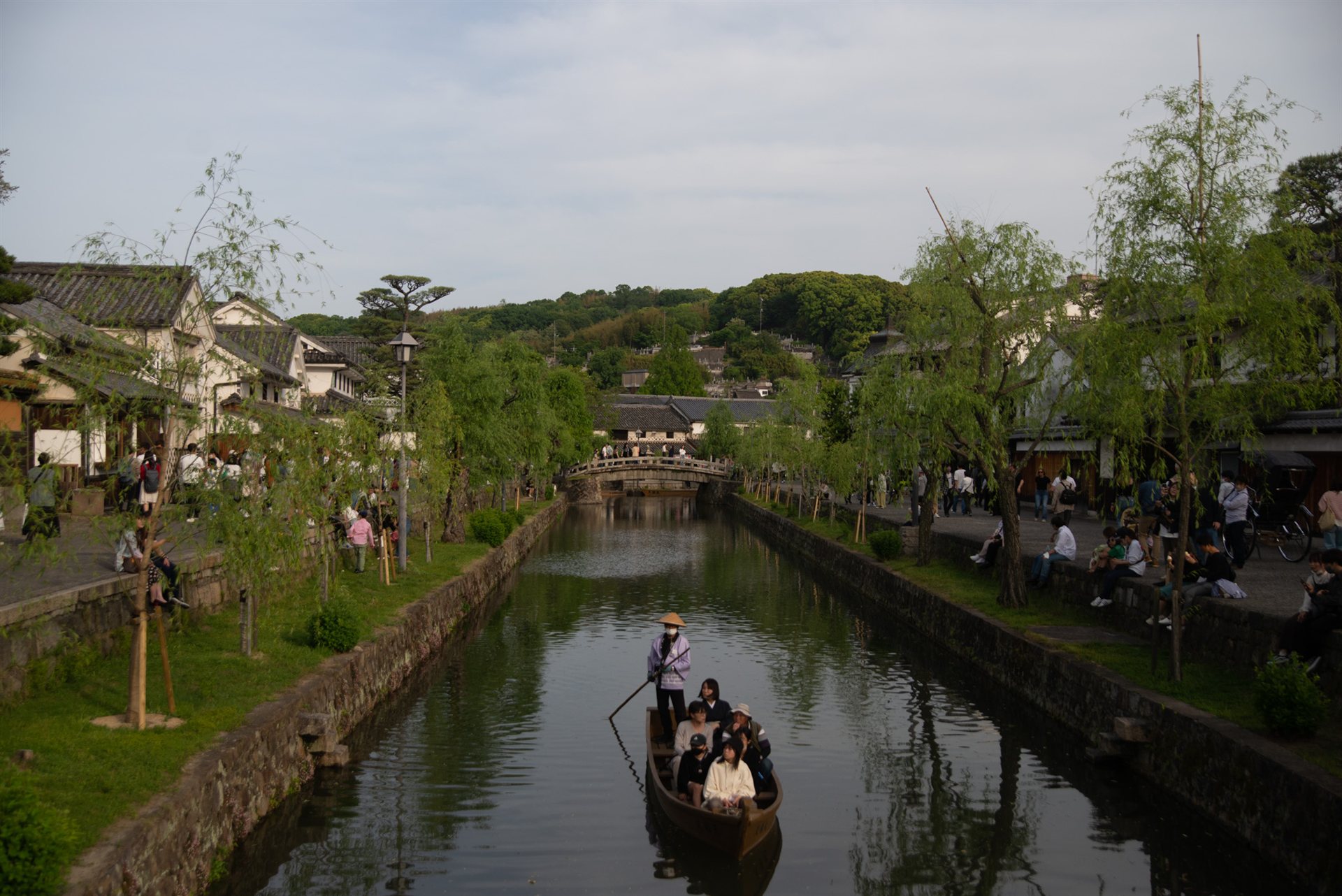
A river boat on the Kurashiki River. The boatman pushes the boat forward with a pole.
On the Kurashiki River, you can ride a boat called the “Kurashiki River Boat Ride” (Kurashiki Kawabune Nagashi). Kurashiki Kanko Web introduces it as a re-creation of the river boats that carried goods in the Edo period, offering a view of the white-walled townscape from the water. It is recommended to buy tickets on the day at the Kurashiki-kan Tourist Information Center, and some seats can also be reserved online.
According to Okayama Kanko Web, the “Night Kurashiki River Boat Ride” runs from 18:00 to 19:00 on Saturdays in October and November 2026. The fare is 1,000 yen for adults, 500 yen for children (age 5 to elementary school), and free for children under 5 (about 20 minutes; canceled in bad weather; checked on November 9, 2026).
Willow trees line both banks of the river. May is the season when the green of the willows is at its brightest.
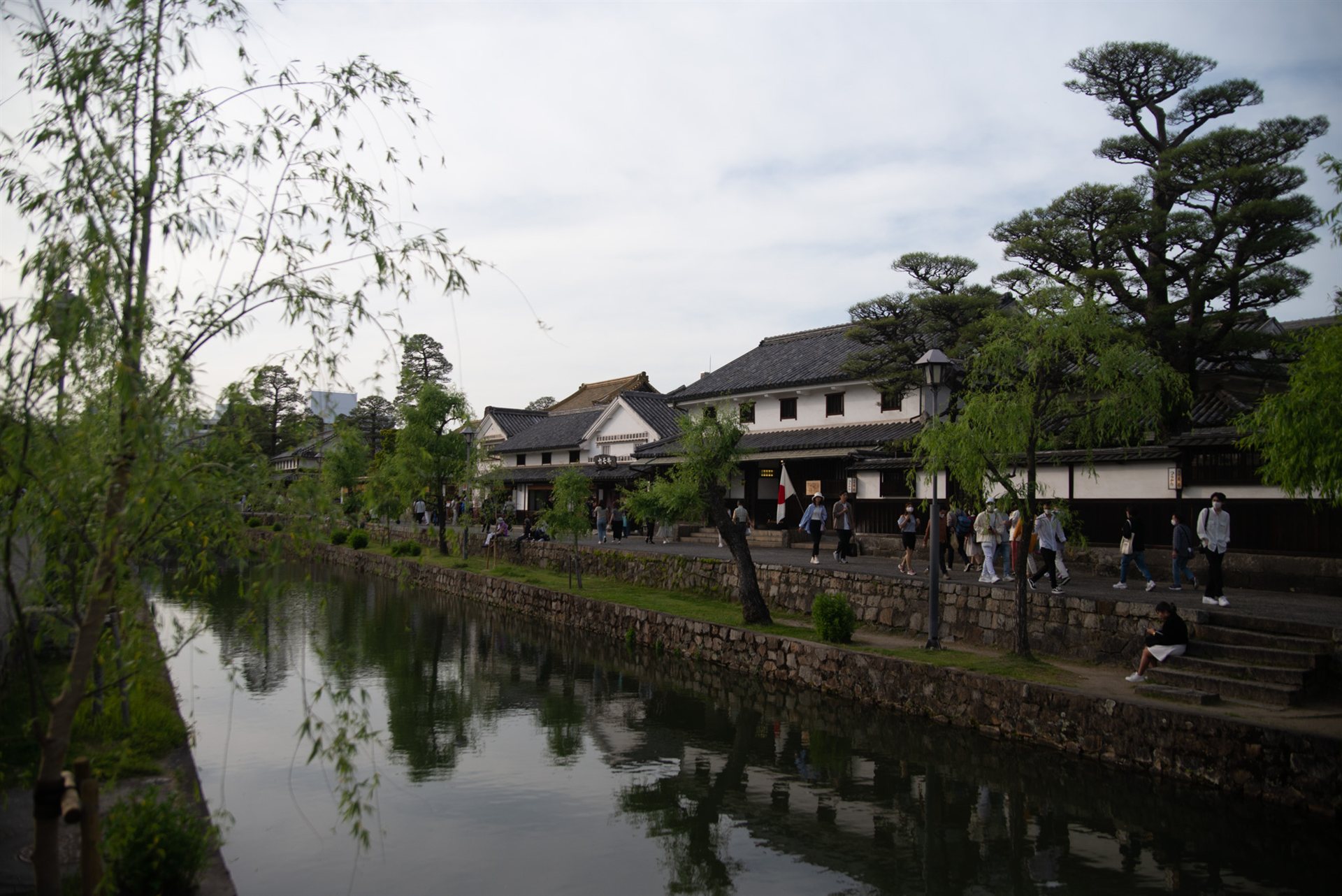
White-walled buildings along the river. The townscape is reflected on the water.
Walking the Namako-Kabe Alleys and Honmachi Street
One street back from the river, there are alleys lined with walls in a black-and-white lattice pattern. These walls are called namako-kabe. Flat tiles are attached to the wall, and the joints are filled and raised with plaster.
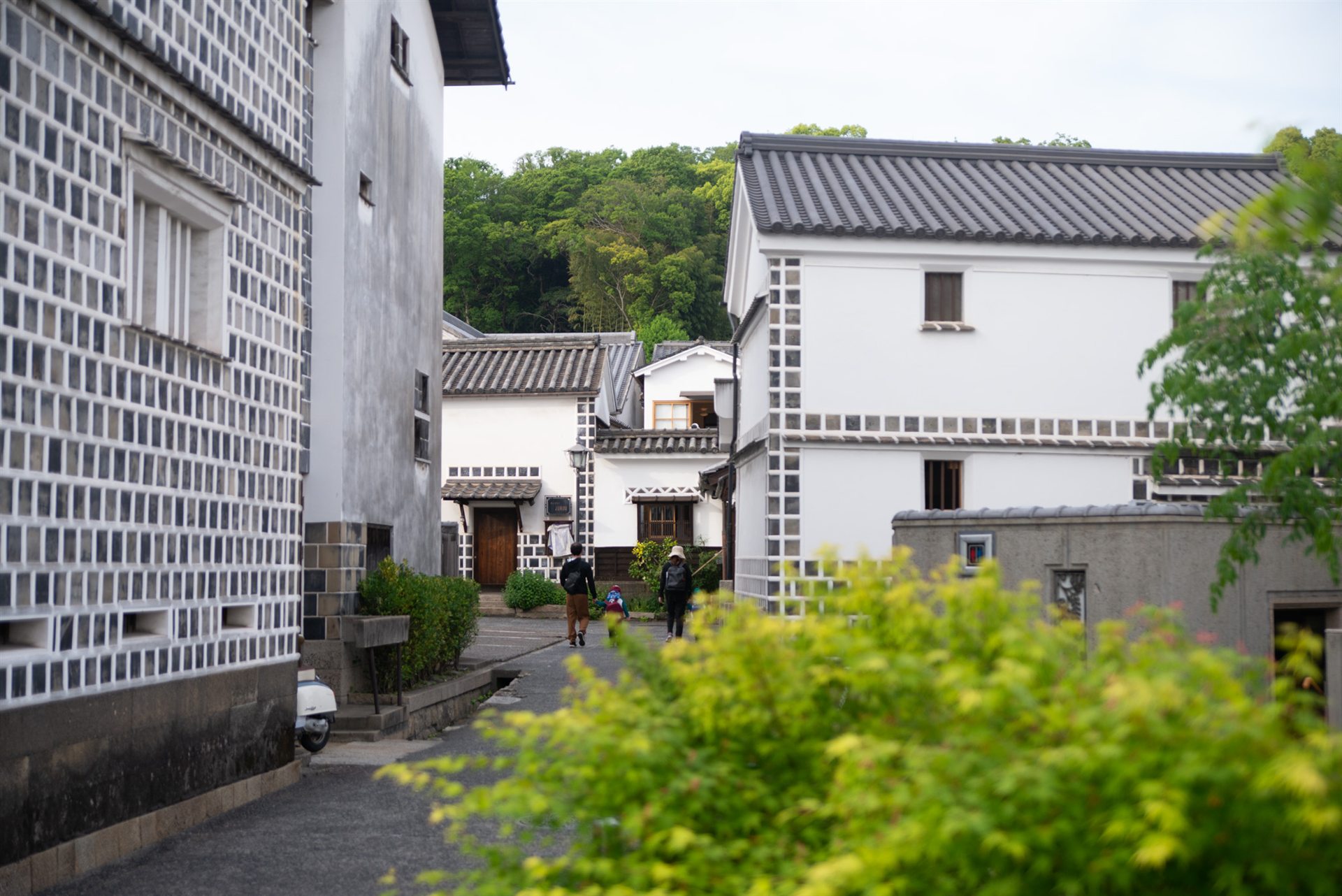
An alley lined with namako-kabe storehouses. There are few people, so you can walk quietly.
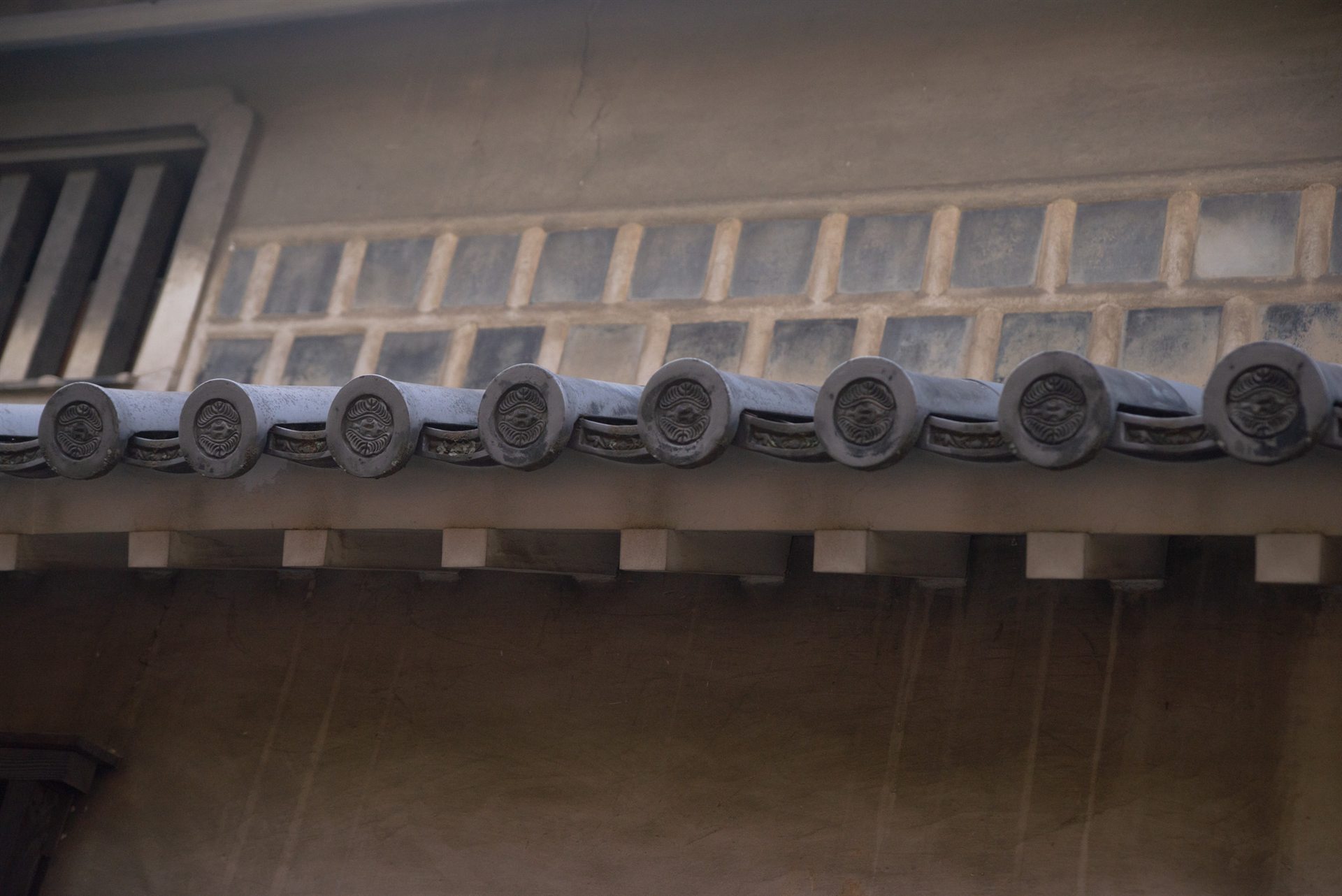
Even the round tiles at the eaves have patterns on them. I recommend looking up as you walk.
Kurashiki Kanko Web also introduces Honmachi Street, on the north side of the Kurashiki River, as a street lined with cafés and shops in converted townhouses. Even when the riverside is busy, streets and alleys like these are relatively calm to walk.
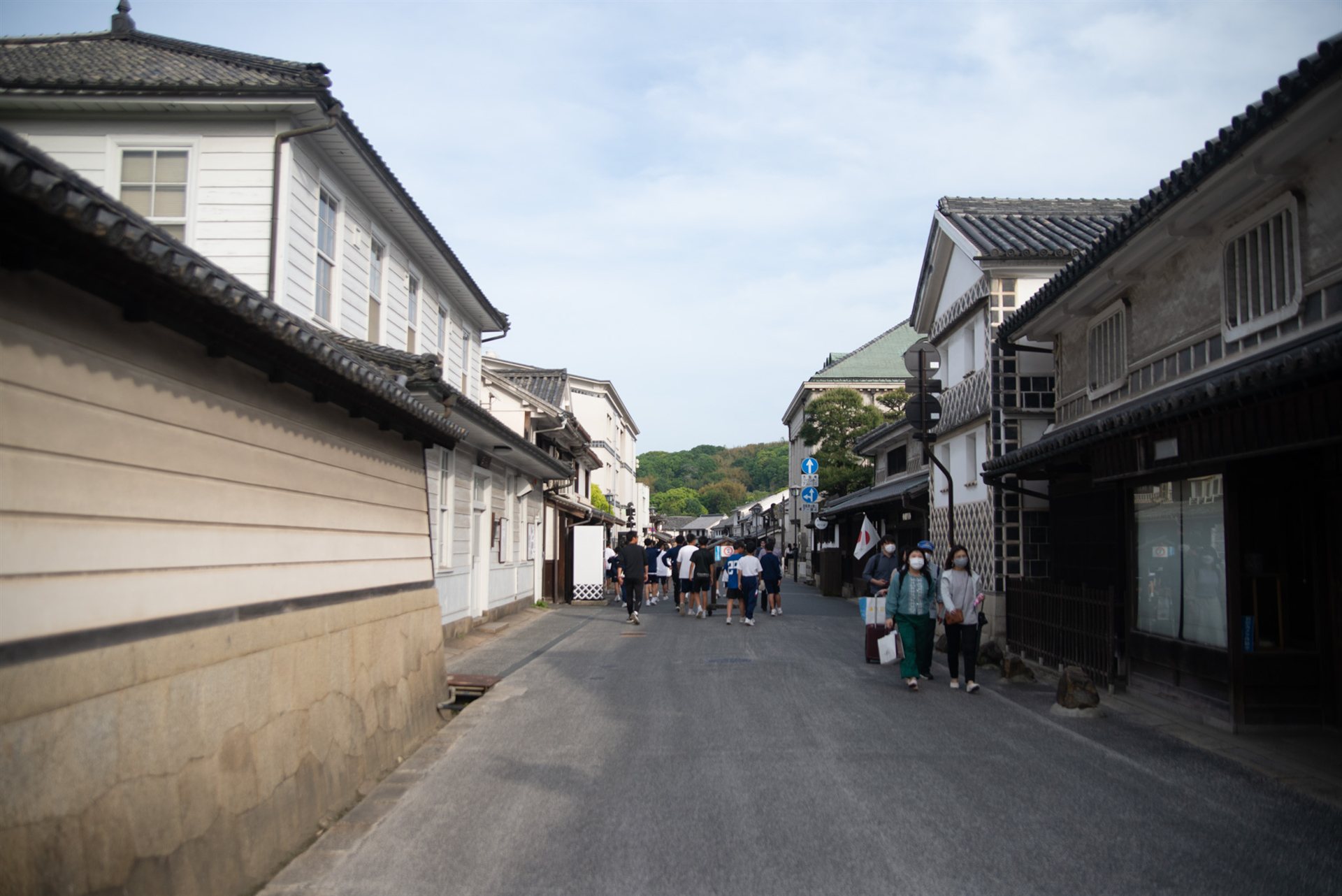
Western-style buildings are mixed in among the townhouses.
Ohara Museum of Art
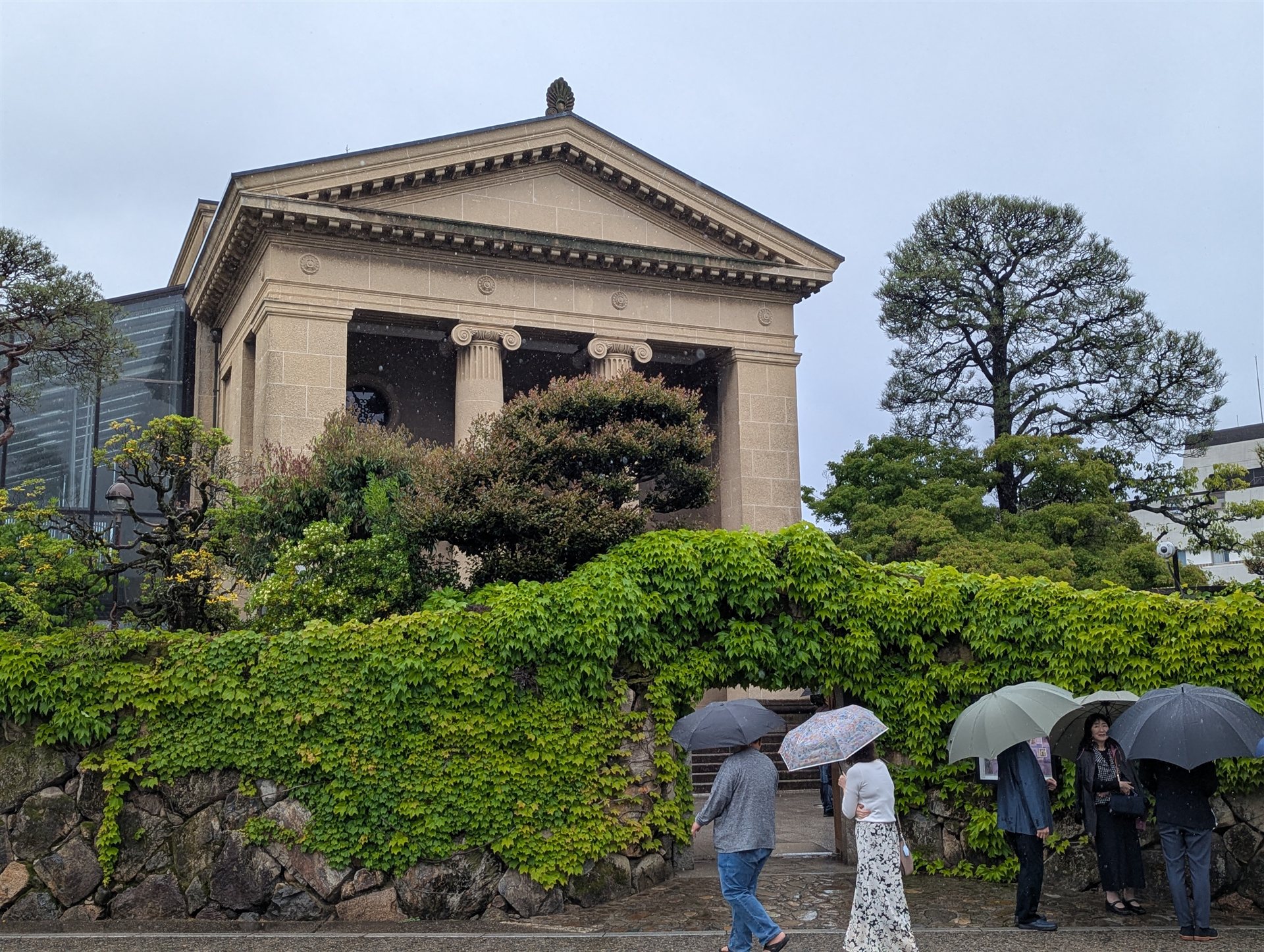
The Main Building of the Ohara Museum of Art. Its columns, like those of a Greek temple, make it easy to spot.
The Ohara Museum of Art, on the bank of the Kurashiki River, is one of the most famous buildings in the Bikan Historical Quarter. According to its official website, it was founded in 1930 (Shōwa 5) by the businessman Ohara Magosaburo in memory of the painter Kojima Torajiro, who had died the year before. It is the first private museum in Japan focused mainly on Western art.
| Item | Details (checked on November 9, 2026) |
|---|---|
| Opening hours | March–November 9:00–17:00 (last entry 16:30), December–February 9:00–15:00 (last entry 14:30) |
| Closed | Mondays (open if Monday is a national holiday), plus occasional closures. No closing days in August |
| Admission | General 2,000 yen, under 18 (elementary, junior high, and high school students) 500 yen, preschool children free |
| Buildings you can visit | Main Building, Craft Art and Asiatic Art Gallery, Kojima Torajiro Memorial Hall (the Kojima Torajiro Memorial Hall has different opening hours) |
From December to February, the museum closes at 15:00, so if you visit in winter, it is best to go in the morning or just after noon. The official website also notes that the Annex is closed for a long period.
Source: Ohara Museum of Art Visitor Information (Japanese)
Kataraiza Ohara Hontei
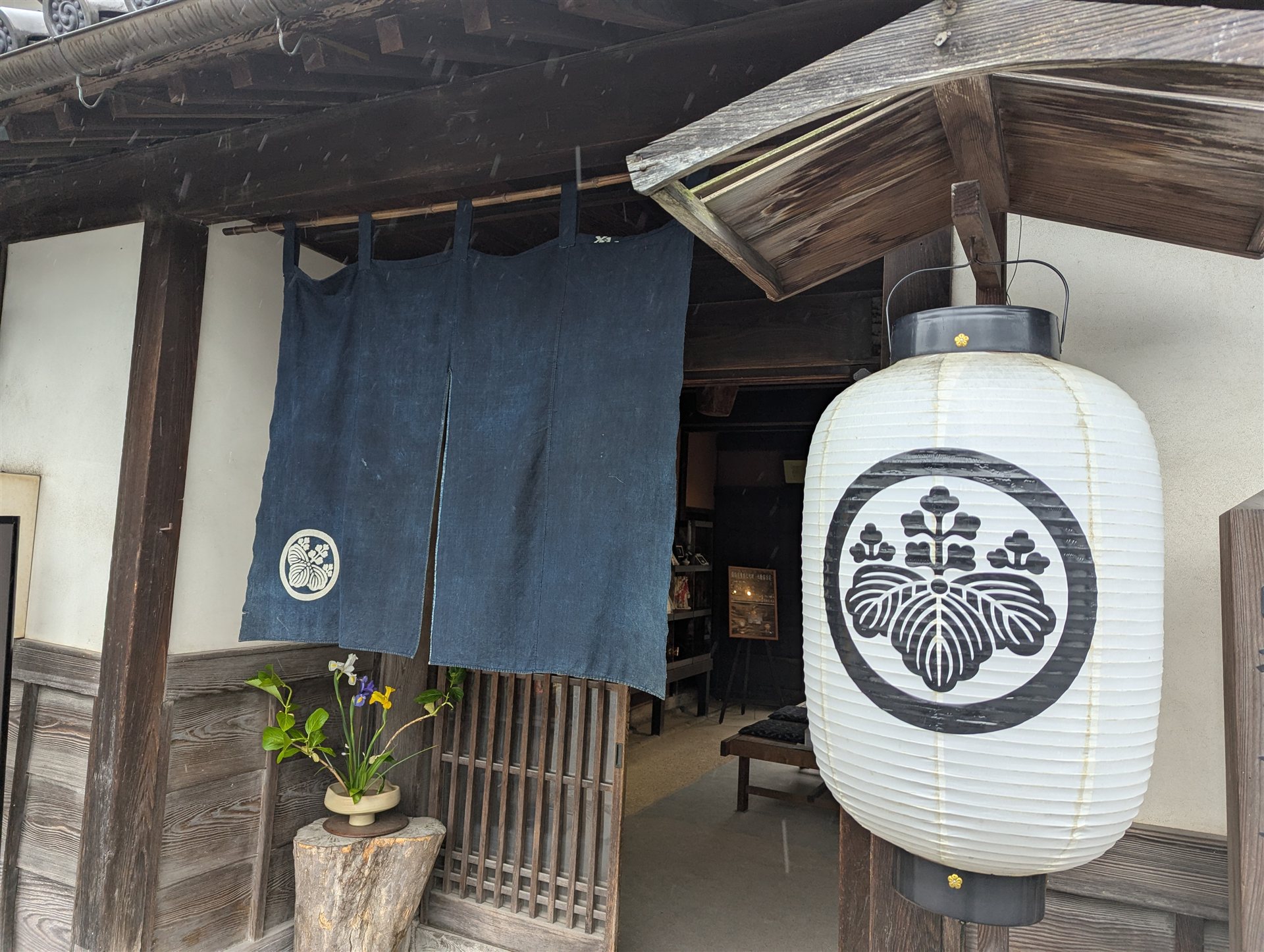
The large lantern and noren curtain at the entrance. They bear the family crest.
Across the Kurashiki River from the Ohara Museum of Art stands Kataraiza Ohara Hontei (the former Ohara Family Residence). It is the house where generations of the Ohara family, who founded the Ohara Museum of Art, lived, and Okayama Kanko Web introduces it as a National Important Cultural Property.
Inside, you can see exhibits on the eight generations of the Ohara family, the exhibits “Furisosogu Kotoba” (Falling Words) and “Cube Tree” in the earthen-floored area, a Japanese garden, and the tatami rooms of the detached annex. There is also a book café surrounded by the Ohara family’s books.
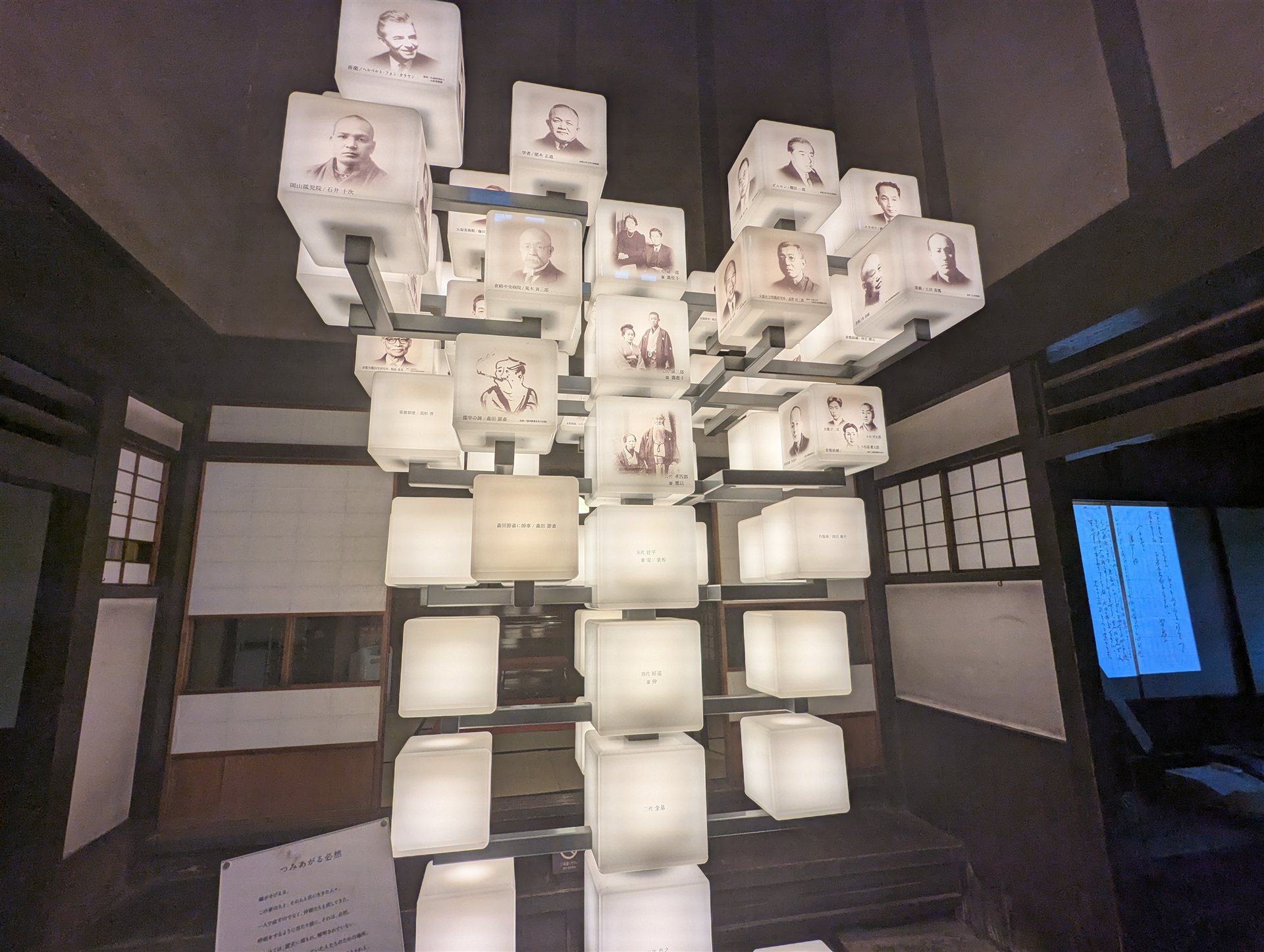
The Cube Tree. Photos of people connected to the Ohara family are lined up on glowing boxes.
| Item | Details (checked on November 9, 2026) |
|---|---|
| Opening hours | 9:00–17:00 (last entry 16:30). From April 1, 2027: 10:00–16:30 (last entry 16:00) |
| Closed | Mondays (open if Monday is a national holiday), New Year holidays |
| Admission | Adults 500 yen, high school students and younger 400 yen, preschool children free |
| Address | 岡山県倉敷市中央1-2-1 |
Source: Okayama Kanko Web: Kataraiza Ohara Hontei (Japanese)
Street Food at Kurashiki Denim Street
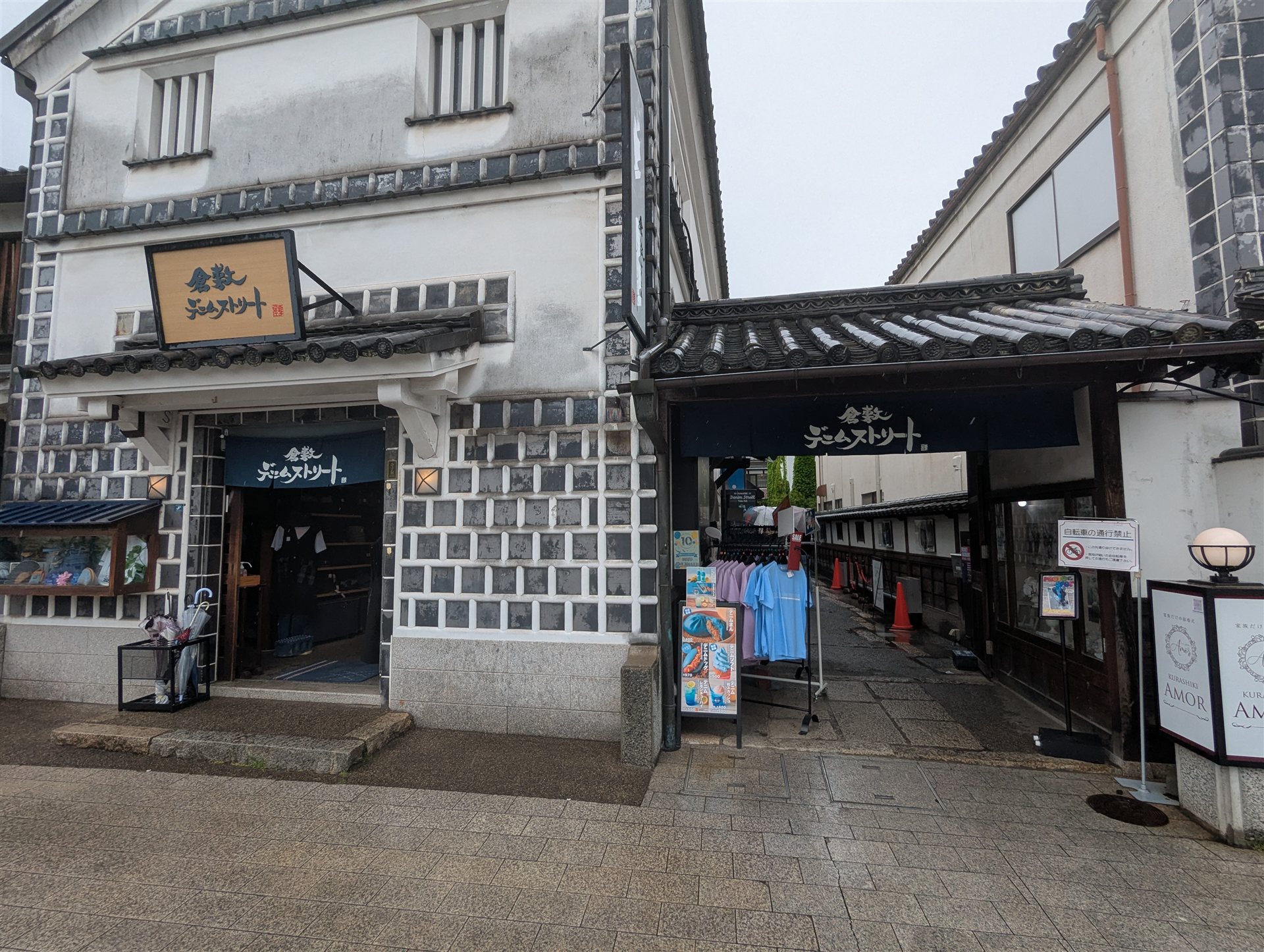
Kurashiki Denim Street, housed in a namako-kabe building.
The Kojima area of Kurashiki City is known for Japanese-made jeans. Kurashiki Denim Street, inside the Bikan Historical Quarter, is a place where jeans shops are gathered together. Okayama Kanko Web says its takeout corner sells items such as the ramune-flavored “Denim Soft” ice cream and “Denim Man” steamed buns.
Business hours are listed as 9:30–17:30 (varies by season), open every day (checked on November 9, 2026).
Source: Okayama Kanko Web: Kurashiki Denim Street (Japanese)
On Rainy Days, Try the Kurashiki Museum of Natural History
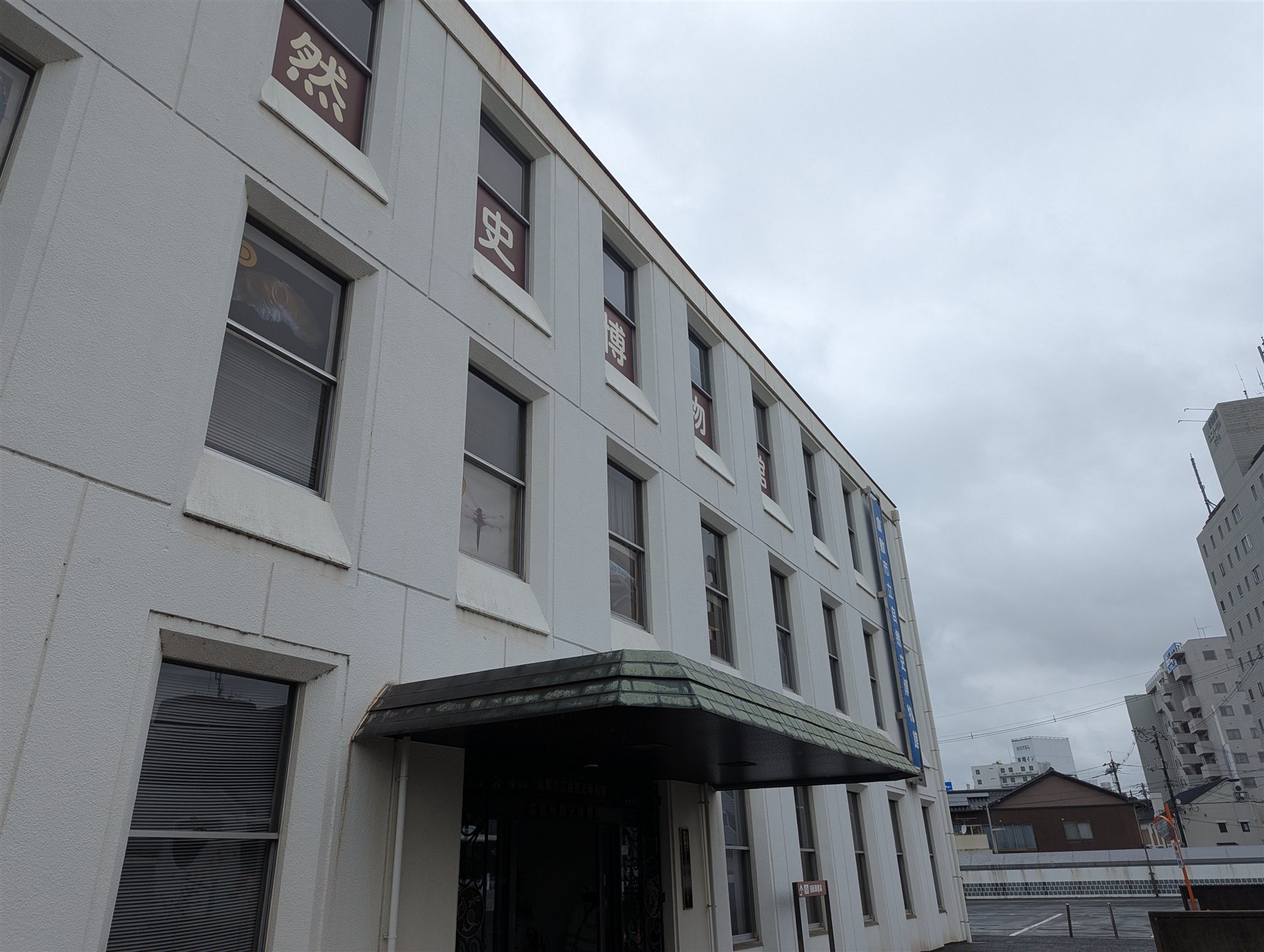
The Kurashiki Museum of Natural History. It is a short walk from the Bikan Historical Quarter.
The day I visited in May 2025 was rainy. On rainy days, I recommend going around places you can see indoors. The Kurashiki Museum of Natural History, near the Bikan Historical Quarter, displays rock and insect specimens and more.
| Item | Details (checked on November 9, 2026) |
|---|---|
| Opening hours | 9:00–17:15 (last entry 16:45) |
| Closed | Mondays (the following day if Monday is a national holiday or substitute holiday), New Year holidays (December 28–January 4) |
| Admission | General 150 yen, university students 50 yen, high school students and younger and those aged 65 and over free |
| Address | 岡山県倉敷市中央2丁目6番1号 |
Source: Kurashiki Museum of Natural History Visitor Guide (Japanese)
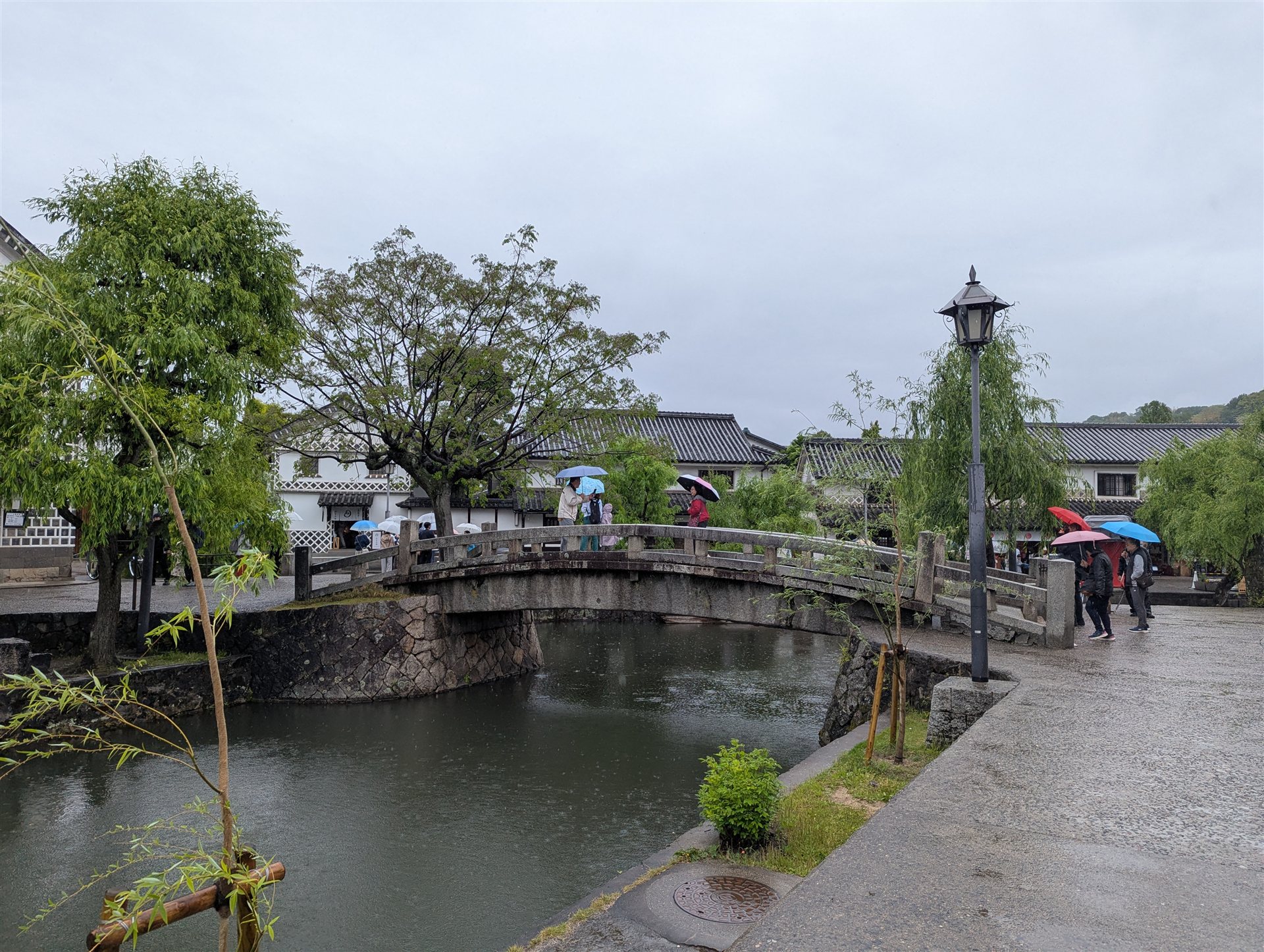
The Kurashiki River on a rainy day. People with umbrellas cross the stone bridge.
Also, Kurashiki Monogatari-kan, on the way from Kurashiki Station to the Bikan Historical Quarter, is a tourism and cultural facility made by restoring the main house and earthen storehouse of the former Higashi-Ohashi Family Residence, and admission is free. It is open 9:00–21:00 from April to November and 9:00–19:00 from December to March, and closed during the New Year holidays (December 29–January 3) (checked on November 9, 2026. Source: Okayama Kanko Web: Kurashiki Monogatari-kan (Japanese)). It is also a good place to shelter from the rain or take a rest.
How to Get Around the Kurashiki Bikan Historical Quarter (Sample Route)
Here is an example of the order in which you can visit the places above on foot, starting at Kurashiki Station. The time needed depends greatly on how long you spend at each place.
- JR Kurashiki Station: Walk from the South Exit to the Bikan Historical Quarter (about 15 minutes)
- Kurashiki Monogatari-kan: You can stop by on the way. Free admission
- Along the Kurashiki River: Walk past the willow trees and the white-walled townscape. If you want to ride a river boat, buy your ticket first at the Kurashiki-kan Tourist Information Center
- Ohara Museum of Art: If you want to take your time with the art, set aside time here
- Kataraiza Ohara Hontei: Across the river from the Ohara Museum of Art
- Namako-kabe alleys and Honmachi Street: Quiet streets one block back from the river
- Kurashiki Denim Street: Street food and souvenirs
- On rainy days or if you have time left, go to the Kurashiki Museum of Natural History
The Ohara Museum of Art, Kataraiza Ohara Hontei, and the Kurashiki Museum of Natural History are all closed on Mondays (how national holidays are handled differs by facility). If you go on a Monday, it is a good idea to focus on the riverside walk, Kurashiki Monogatari-kan, and Kurashiki Denim Street.
Frequently Asked Questions
Can I walk from Kurashiki Station to the Bikan Historical Quarter?
Yes. Kurashiki Kanko Web says it is about a 15-minute walk from Kurashiki Station to the Kurashiki Bikan Historical Quarter.
When is the Ohara Museum of Art closed?
According to the official website, it is closed every Monday (open if Monday is a national holiday) and on occasional closing days. There are no closing days in August (checked on November 9, 2026).
What should I keep in mind when visiting in winter?
From December to February, the Ohara Museum of Art is open 9:00–15:00 (last entry 14:30), closing earlier than at other times of year. Please also check the winter operating days of the river boat ride at the Kurashiki-kan Tourist Information Center before you go.
Summary
The Kurashiki Bikan Historical Quarter is a white-walled townscape within walking distance of Kurashiki Station. The willow-lined Kurashiki River and its river boats, the Ohara Museum of Art, Kataraiza Ohara Hontei where the Ohara family lived, the namako-kabe alleys, and Kurashiki Denim Street are all gathered within an easy walk.
Many of the museums are closed on Mondays, and the Ohara Museum of Art closes earlier in winter. Check the opening hours for the day you plan to go, and then decide the order in which to visit.
I also recommend stopping by Kurashiki as part of a trip to the islands of the Seto Inland Sea. Here is my article on Naoshima.
コメント