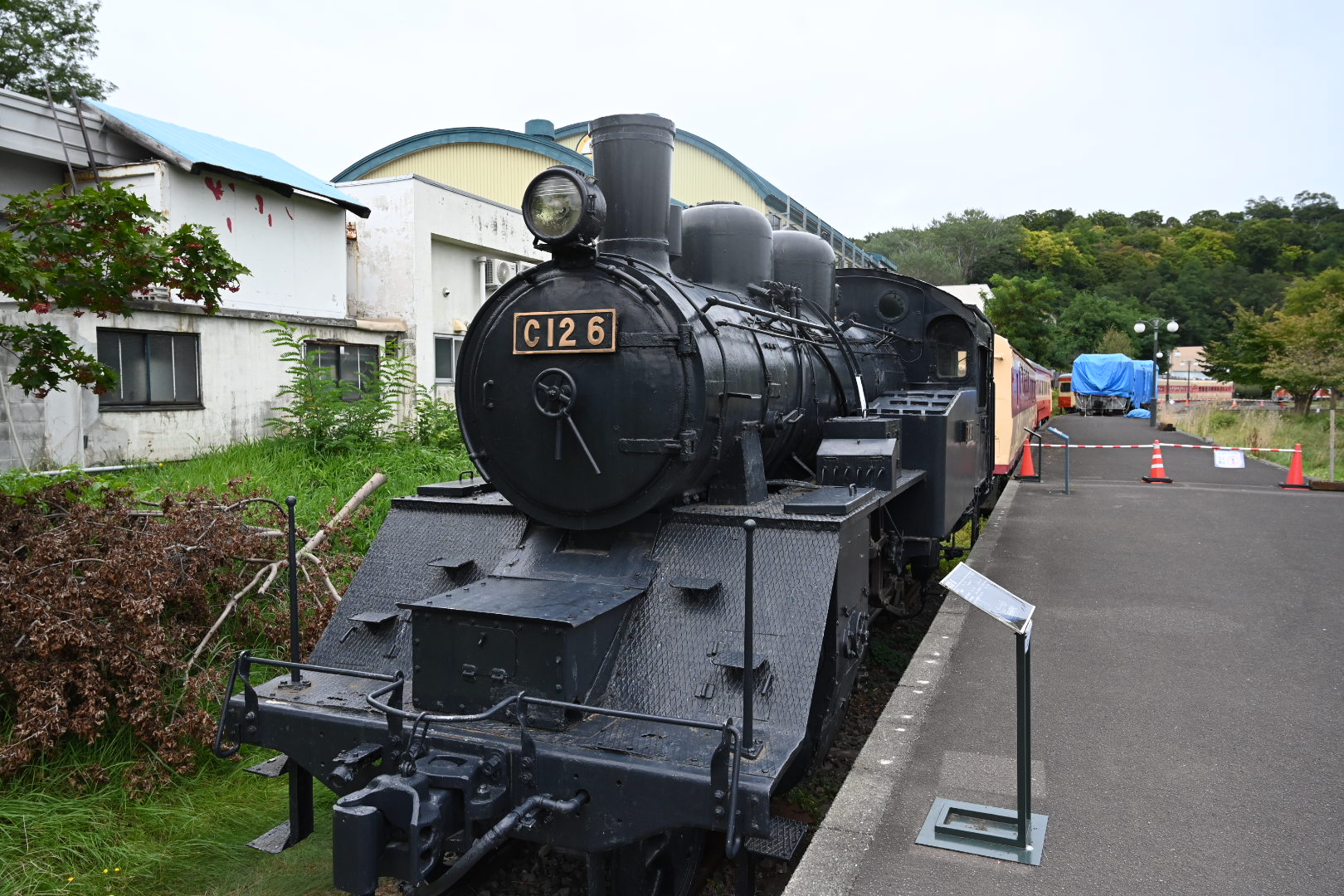
Hokkaido is a vast region, and railways have long played an essential role in getting around it. The Otaru City Museum Main Building tells the story of that railway history up close, preserving and displaying a remarkable collection of steam locomotives and other vintage rail cars that once ran across the island. This guide covers the museum’s highlights along with how to get there.
About the Otaru City Museum Main Building
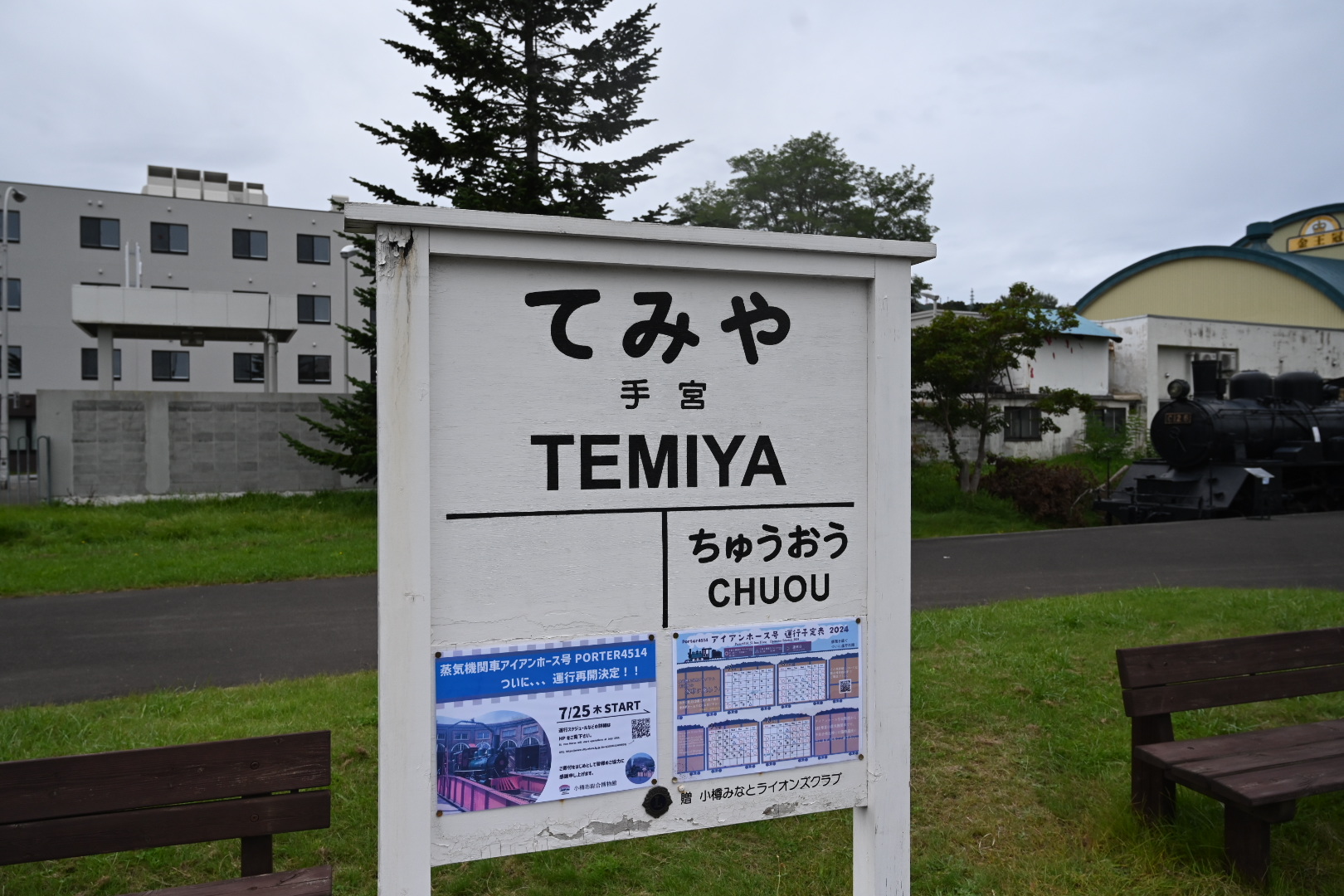
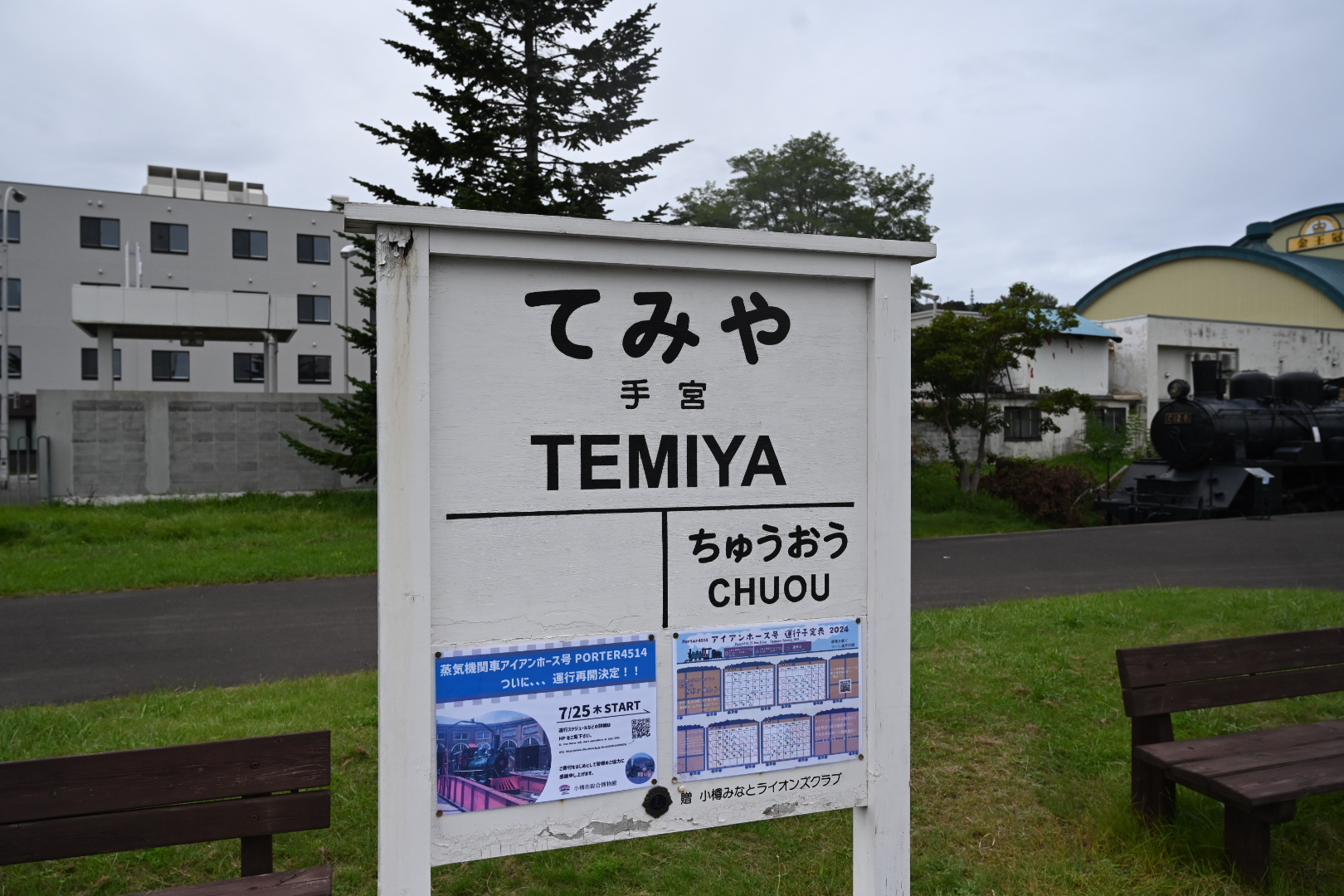
The museum’s roots trace back to 1956, when the Otaru City Museum was first established. In 1962, to mark the 90th anniversary of Japan’s railway opening, the Hokkaido Railway Memorial Museum was set up at a former engine shed in Temiya, and in 2007 the current Main Building opened on the site of the former Otaru Transportation Memorial Museum, integrating the functions of the Otaru Youth Science Center. The museum makes use of the sprawling grounds of the former Temiya Line and Temiya Station — the birthplace of railways in Hokkaido.
The Main Building preserves and displays around 50 railcars, including steam locomotives that once operated throughout Hokkaido. Alongside the steam engines, you’ll also find snow-clearing rail vehicles unique to Hokkaido’s snowy climate — a highlight for rail enthusiasts.
Beyond the railcar exhibits, the museum also houses a science exhibition hall, complete with a planetarium and hands-on displays, making it a great spot for a full day out with the family.
Hours, Admission, and Access
| Item | Details |
|---|---|
| Hours | 9:30 AM–5:00 PM |
| Closed | Tuesdays (next weekday if a holiday), year-end/New Year (Dec 29–Jan 3) |
| Parking | Available |
| Admission (adult) | ¥400 (¥300 in winter) |
| Admission (high school students / city residents 70+) | ¥200 (¥150 in winter) |
| Admission (junior high and under) | Free |
| Access | About a 22-minute walk from Otaru Station, or about 12 minutes by bus |
Walking from Otaru Station is the standard way to reach the museum, taking about 22 minutes. There’s a gentle slope along the way, so if you’re traveling with kids, it’s worth pacing yourselves and checking in on how everyone’s doing. If you’d rather not walk, a local bus also runs from in front of Otaru Station. We’ll cover the full access details in a dedicated guide.
Featured Railcars on Display
The museum’s indoor and outdoor exhibits include a wide range of valuable railcars. Here are a few highlights. (Photos of each car will be added soon.)
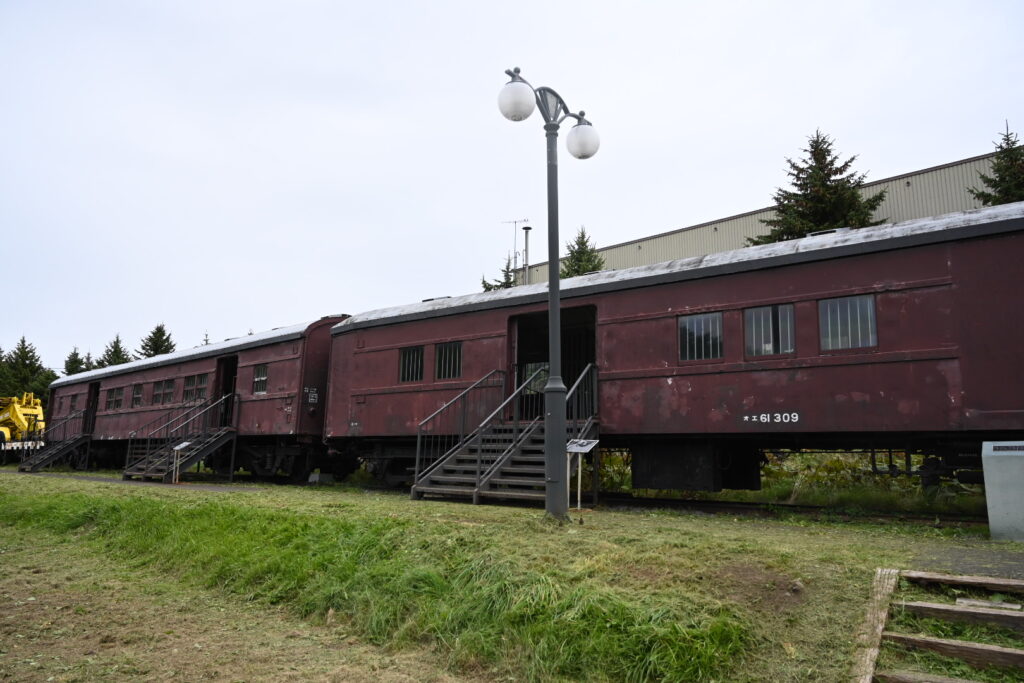
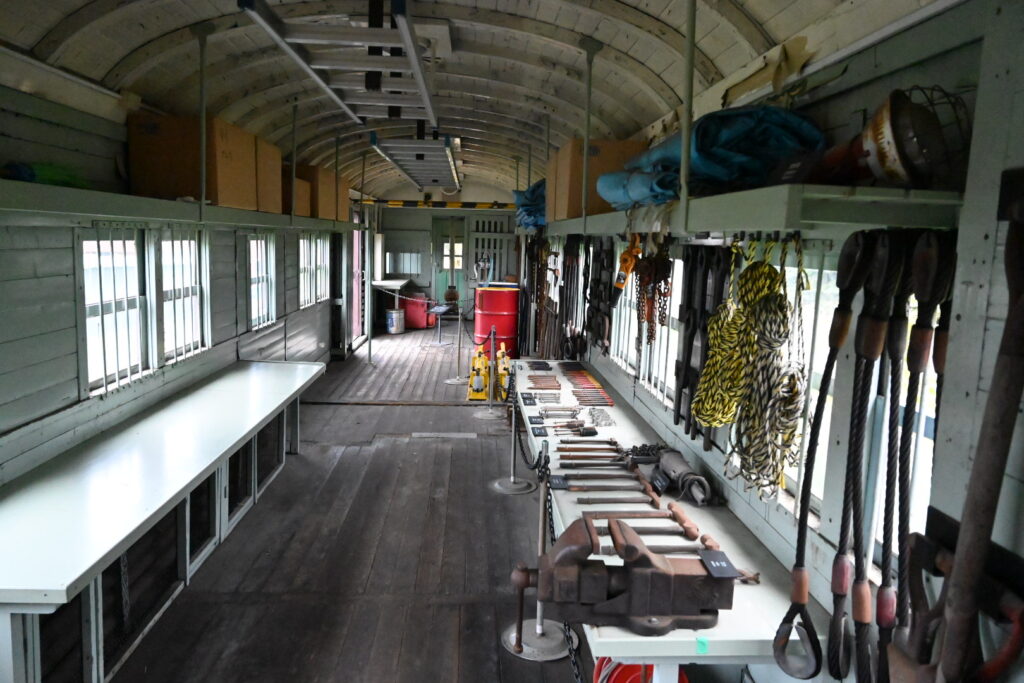
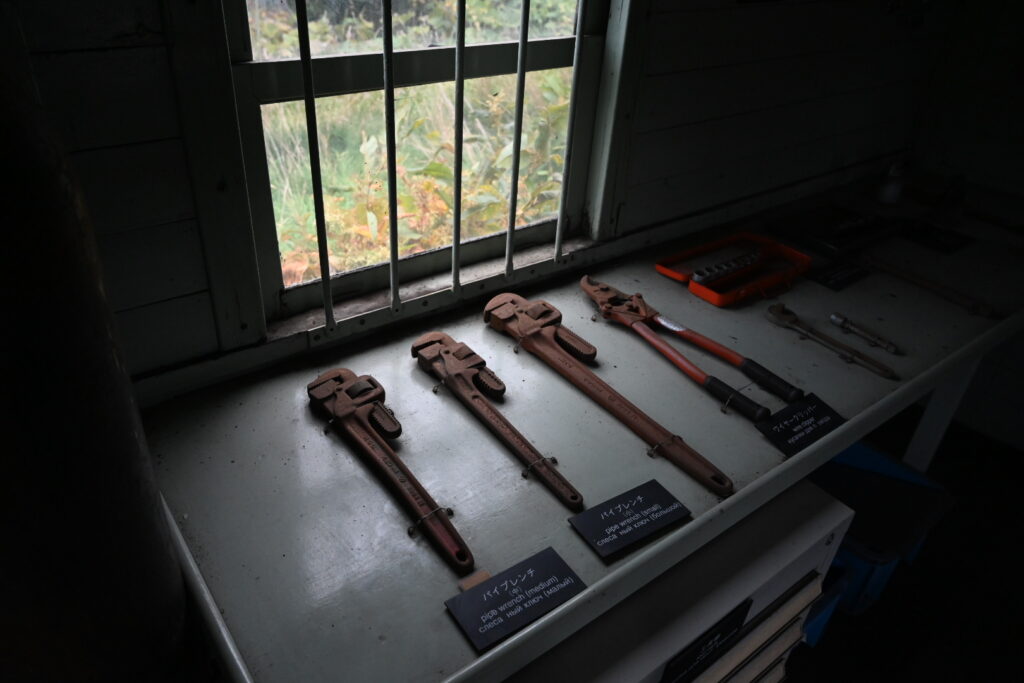
Oe 61309
A rescue car built from wood by the Railway Ministry, the predecessor of Japan National Railways. Visitors can actually step inside the car, where period tools used at the time are also on display.
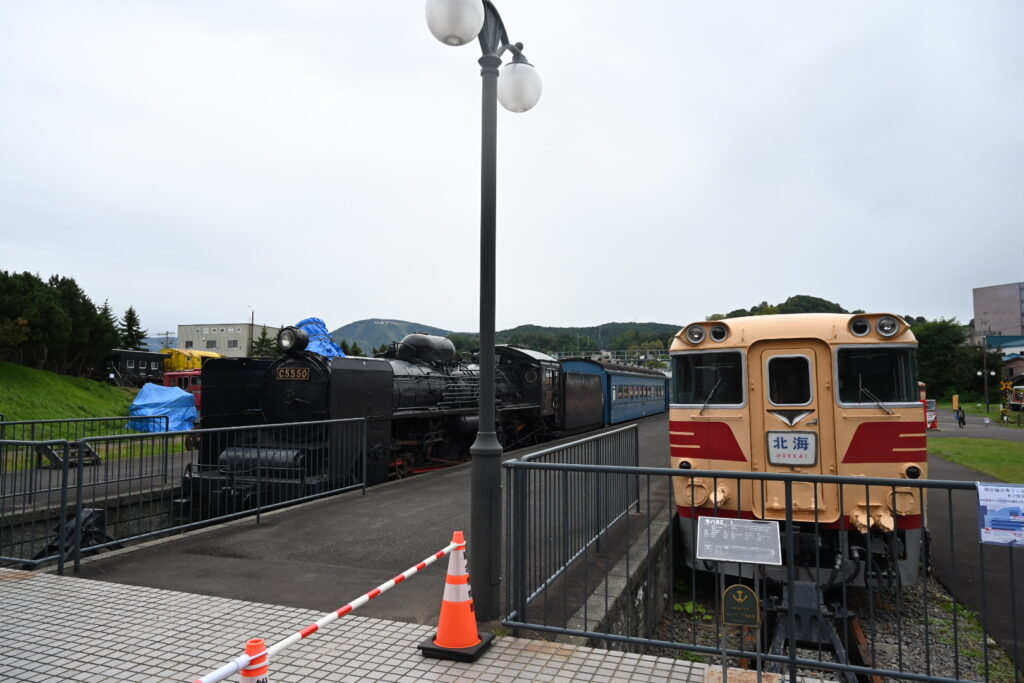
Kiha 82-1
The very first unit of the Kiha 82 series, Japan National Railways’ first limited express diesel railcar type.
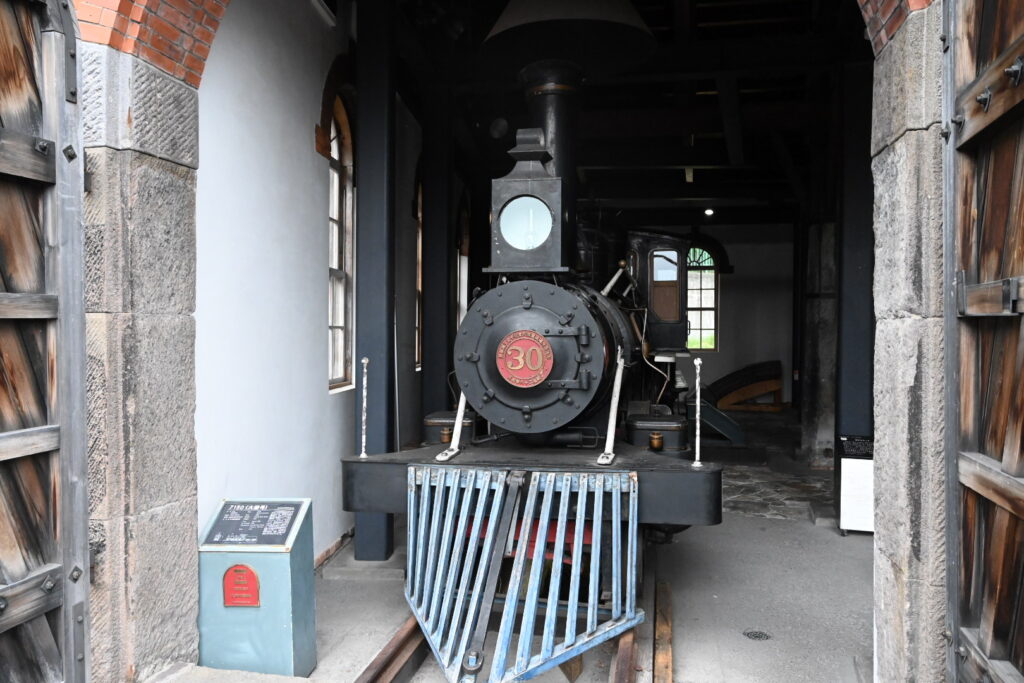
JNR Class 7150 Steam Locomotive (“Taisho-go”)
Built in 1895 at the Temiya works, this is Japan’s second domestically built locomotive and the oldest surviving one in the country. It was named “Taisho-go” (“Great Victory”) to commemorate Japan’s victory in the First Sino-Japanese War. It was designated a Quasi-Railway Monument in 1964 and upgraded to full Railway Monument status in 2010.
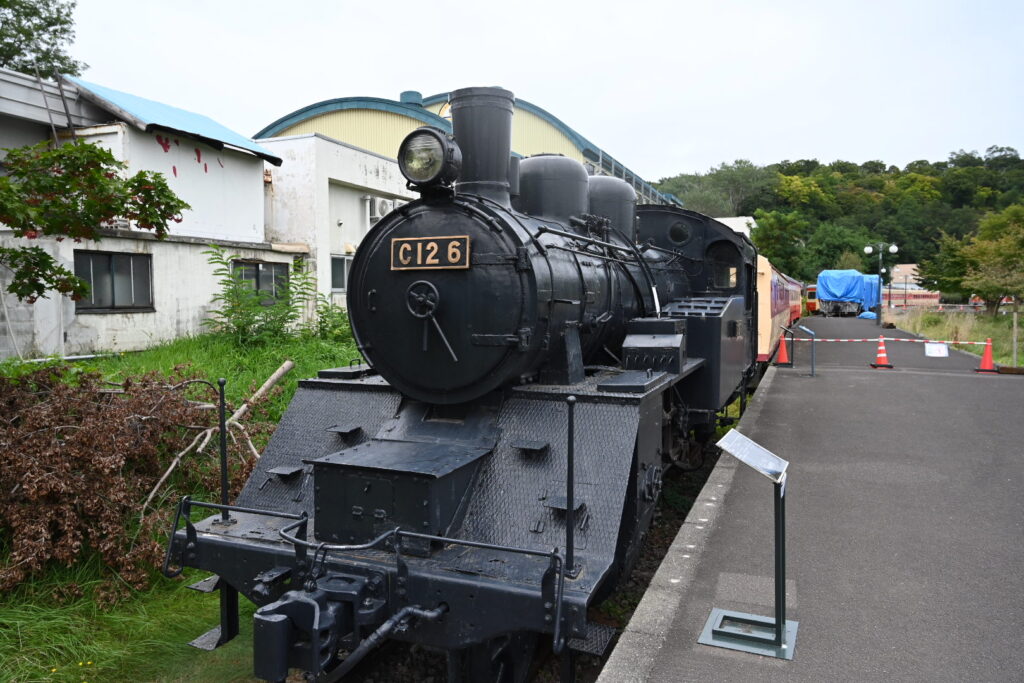
C12 Class Locomotive No. 6
A small tank-type steam locomotive built in 1933. Thanks to the care of museum volunteers, it remains in excellent condition — one of the best-preserved outdoor exhibits on-site.
Ride a Real Steam Locomotive
One of the museum’s biggest draws is the chance to ride the steam locomotive “Iron Horse,” which runs at scheduled times. Built in the United States in 1909, it operates mainly during the summer months around the museum grounds, and rides are free and open to everyone. It’s a memorable way for kids (and adults) to experience a genuine steam locomotive in motion.
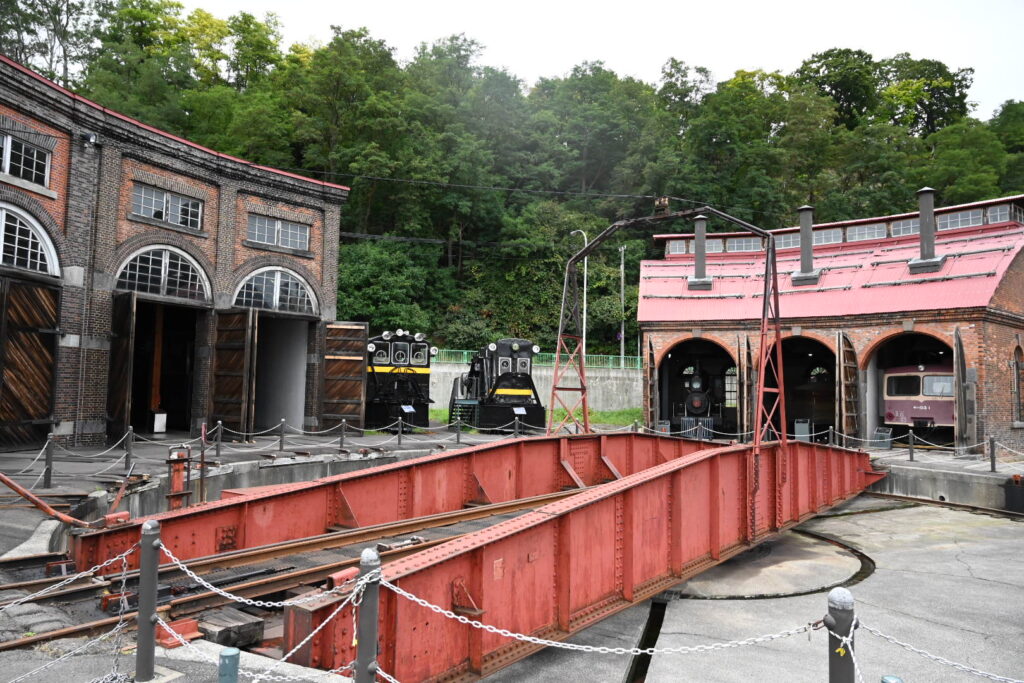
Because the line is single-track, the locomotive needs to be turned around once it reaches the end of the line. That’s where the turntable comes in — watching the locomotive slowly pivot into position is a highlight in its own right.
FAQ
How far is the walk from Otaru Station? About 22 minutes on foot. There’s a gentle slope along the way, so it’s worth taking it at a comfortable pace if you’re with kids or elderly family members. A bus option is also available.
Can I still see the steam locomotives in winter? Outdoor railcars may be covered for protection during the winter months. Check official information before your visit for the latest details.
Is this a good spot for kids? Yes — with the planetarium, hands-on exhibits in the science hall, and the free steam locomotive rides, there’s plenty for younger visitors to enjoy.
Final Thoughts
The Otaru City Museum Main Building is a must-visit for rail enthusiasts, preserving around 50 historic railcars that once served across Hokkaido. Beyond exploring the interiors of the cars and discovering vehicles unique to the region, you can even take a free ride on a genuine steam locomotive at scheduled times. It’s a great way to spend a day exploring Hokkaido’s railway history with the whole family.
コメント