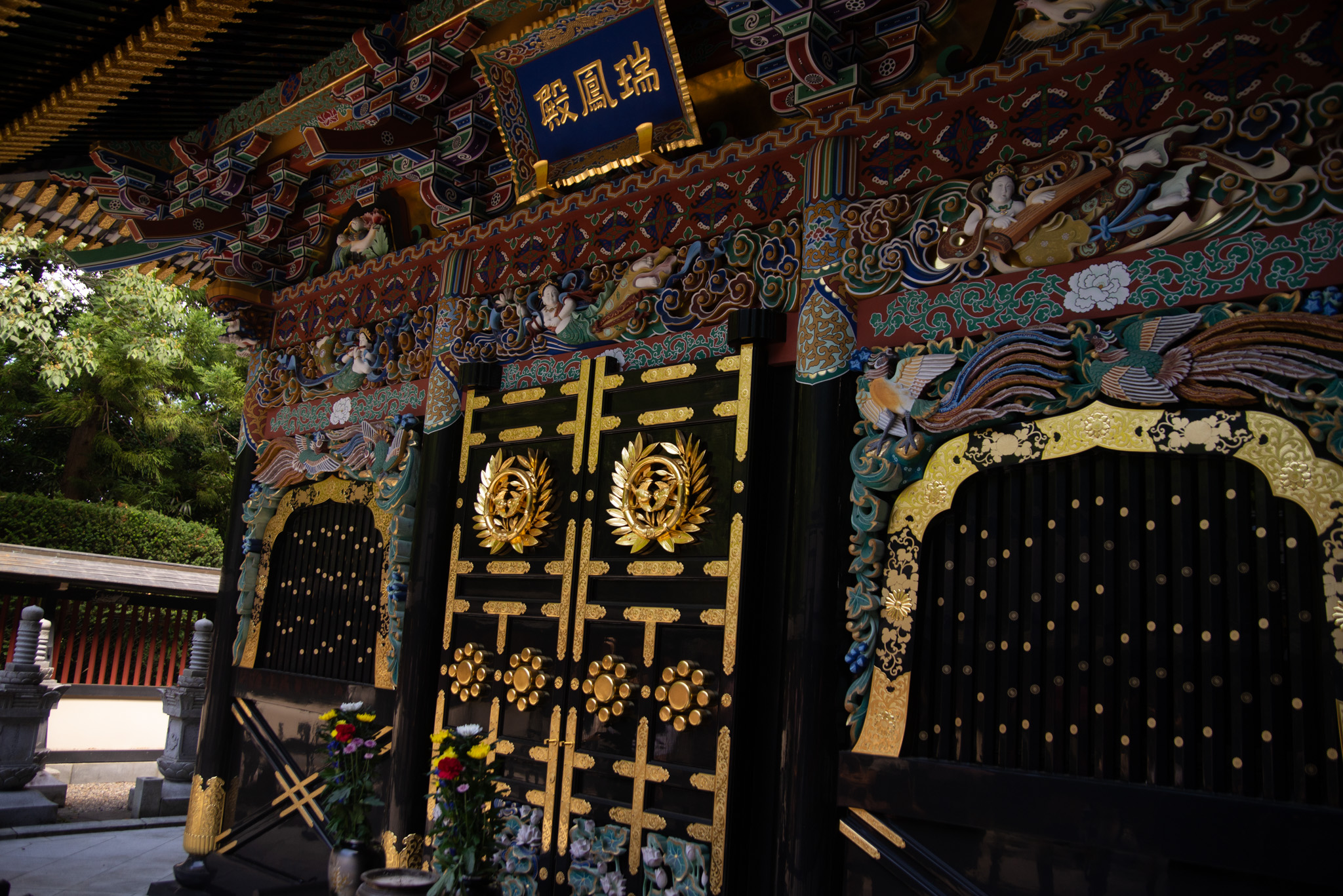
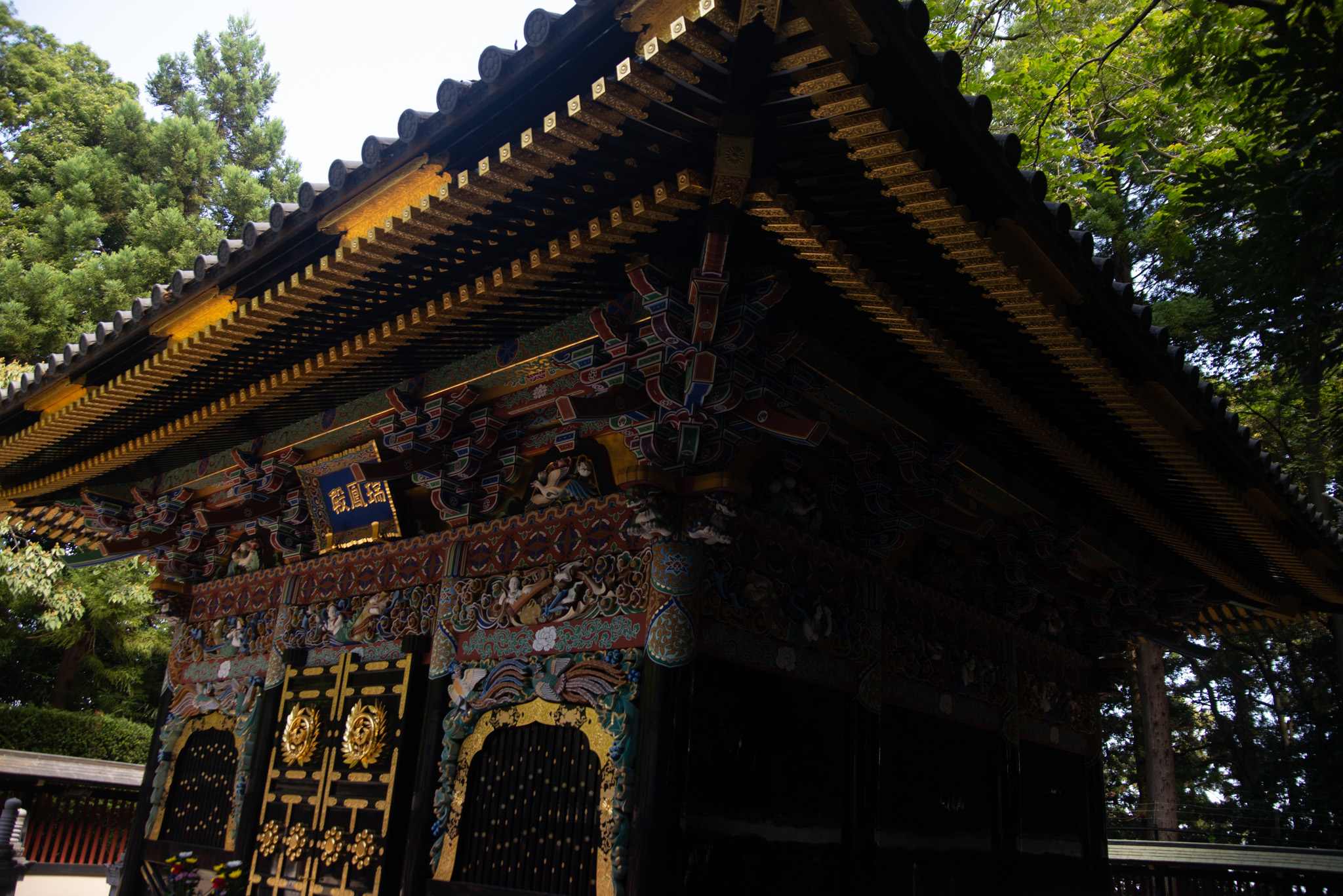
Visiting Zuihoden, one question naturally comes to mind: why is this building so extravagantly decorated? Few structures from the Edo period feature ornamentation on this scale.
This guide explores why Zuihoden is so lavish, along with some highlights beyond the main hall that are easy to miss but well worth seeking out.
Why So Lavish?
One reason often cited is that Date Masamune deeply admired the Momoyama culture.
Momoyama culture flourished in the late 16th century, an era moving toward national unification, and is defined by bold, ornate samurai aesthetics — gold-leaf artwork and extravagantly decorated buildings were common during this period.
Zuihoden was built in this Momoyama style, and it’s said the design was also meant to honor Masamune’s achievements for future generations and to embody the authority and peace of the Sendai domain. In that sense, Zuihoden is more than a mausoleum — it’s a statement.
The Meaning Behind the Stone Steps
The stone steps leading up to Zuihoden carry a hidden numerical significance.
The staircase leading to the main hall consists of 62 steps (63 following a recent restoration), said to represent the domain’s rice yield of 620,000 koku (“62-man-goku”). Counting from the entrance of the approach all the way to the ticket counter adds up to roughly 70 steps in total — a number believed to reference the age of 70 at which Date Masamune passed away.
Separately, a set of 59 steps leads to Kansenden and Zenno-den via a different route from the main 62-step staircase. These stone steps survived the wartime destruction and date back to the Date domain era. Climbing them with this history in mind adds a different kind of weight to the visit.
Why This Location Was Chosen
Zuihoden stands on a hill called Kyogamine, nestled within a bend of the Hirose River.
The primary reason for this location is that Date Masamune himself left instructions to be buried at Kyogamine. The site faces Sendai Castle (Aoba Castle) directly, and it’s said this was chosen so that Masamune could continue watching over the castle even after his death.
Don’t Miss Kansenden and Zenno-den
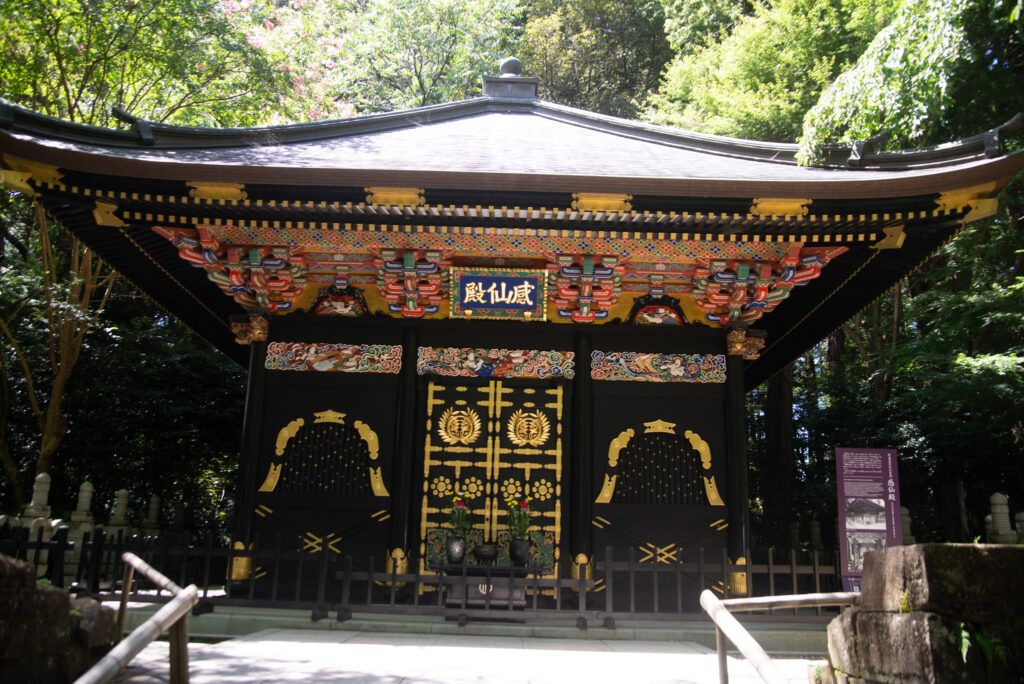
Beyond the main hall, two adjacent mausoleums are essential stops: Kansenden and Zenno-den.
Kansenden houses the 2nd lord, Date Tadamune, while Zenno-den houses the 3rd lord, Date Tsunamune.
On either side of Kansenden’s main hall stand memorial pagodas (hokyointo) dedicated to 12 retainers and 4 subordinate vassals who followed Tadamune in ritual suicide upon his death. By Tsunamune’s era, this practice had been banned, so there are no such graves at Zenno-den — but on its south side lie the graves of retainers who took holy orders in mourning for their lord instead. Comparing how mourning customs shifted between generations is one of the more fascinating details to look out for.
Final Thoughts
Zuihoden’s lavish decoration reflects both Date Masamune’s love of Momoyama culture and a deliberate intent to convey peace and the domain’s authority to future generations.
The meaning behind the number of steps, the reasoning behind choosing Kyogamine as the site, and the stories of the retainers laid to rest at Kansenden and Zenno-den — knowing these details changes how you see Zuihoden. Next time you visit, keep this history in mind as you explore.
Thanks for reading to the end.
コメント