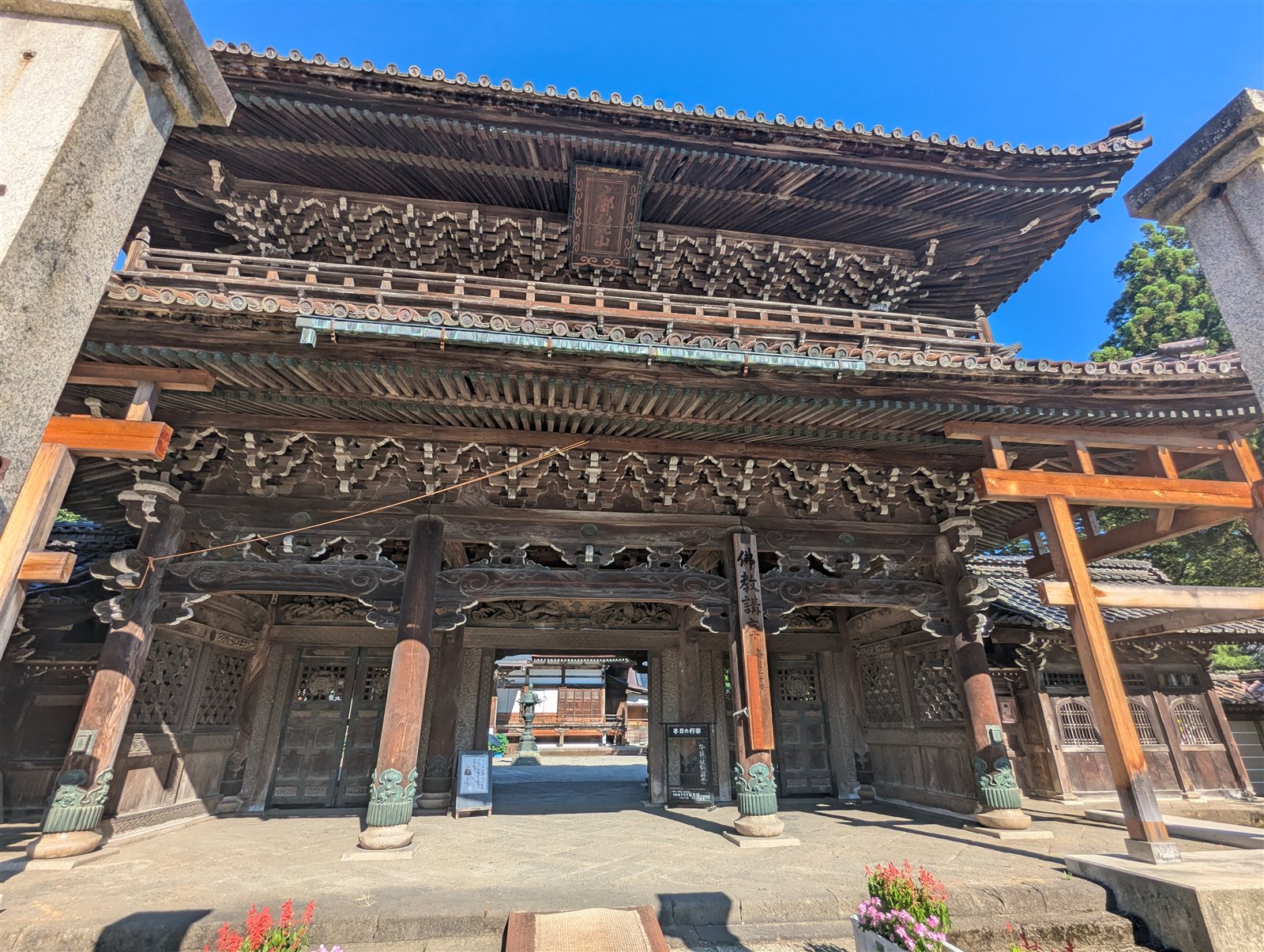
true tears is a TV anime by P.A.WORKS that aired in 2008. Its fictional setting, the town of Mugiha, is modeled on the streets of Johana in Nanto City, Toyama Prefecture.
This guide is for fans who want to walk Johana on a true tears pilgrimage. It covers seven locations with the episodes they appear in, a walking order, how to get to Johana, and pilgrimage etiquette.
I walked around Johana on the morning of 14 July 2025. All photos were taken on that visit.
About the information in this article
- Opening hours, prices and access were checked on 10 October 2026 (via official sites).
- Episode numbers follow “Anitabi Nanto”, Nanto City’s anime tourism site.
- Opening hours and prices can change. Please check the official sites before you go.
- true tears and Johana
- 7 true tears locations in Johana
- 1. JR Johana Station | Where the pilgrimage starts
- 2. A-Coop Nanto Sefre | The supermarket in episode 4
- 3. Goboshita Bridge | The bridge in episode 7
- 4. Gobozaka slope | The slope in episode 3
- 5. Johana Betsuin Zentokuji Temple | The gate area appears in episode 8
- 6. Zentokuji-mae intersection | The intersection in episodes 4 and 7
- 7. The Johana townscape | Opening, episodes 4 and 12
- Extra: Nishi-Shinden Shinmeisha Shrine | Said to resemble the shrine in the anime
- Extra: See the model for Mugiha Academy from outside only
- Recommended walking order (model route)
- Other places worth a stop
- How to get to Johana
- Pilgrimage etiquette and things to note
- Frequently asked questions (FAQ)
- Q. Where is the model for Mugiha, the setting of true tears?
- Q. Can I visit the Johana locations on foot?
- Q. Which festivals are the model for the Mugiha Festival?
- Q. Can I look inside Zentokuji Temple?
- Q. Can I enter the school that is the model for Mugiha Academy?
- Q. Is it better to go by car or by train?
- Summary
true tears and Johana
true tears is a 13-episode TV anime that aired from January to March 2008. It was produced by P.A.WORKS, whose head office is in Nanto City, and is known as the studio’s first series as lead production company.
The main character is Shin’ichiro Nakagami, the son of a sake brewery family who dreams of becoming a picture book author. It is a coming-of-age story that follows him through his relationships with three heroines: Noe Isurugi, Hiromi Yuasa and Aiko Ando.
Mugiha is based on the townscape of Johana. However, not every scene in the anime is in Johana.
| Scenery in the anime | Place said to be the model |
|---|---|
| Mugiha’s streets, temple, slope and supermarket | Johana, Nanto City |
| Mugiha Festival | Johana Hikiyama Festival and Johana Mugiya Festival |
| The coast | Coasts in Himi City and nearby |
| The park with a fountain | Takaoka Kojo Park (Takaoka City) |
In Johana, the locations are all within walking distance. Starting from Johana Station, half a day is enough to see the main spots.
7 true tears locations in Johana
They are listed in order of distance from Johana Station.
1. JR Johana Station | Where the pilgrimage starts
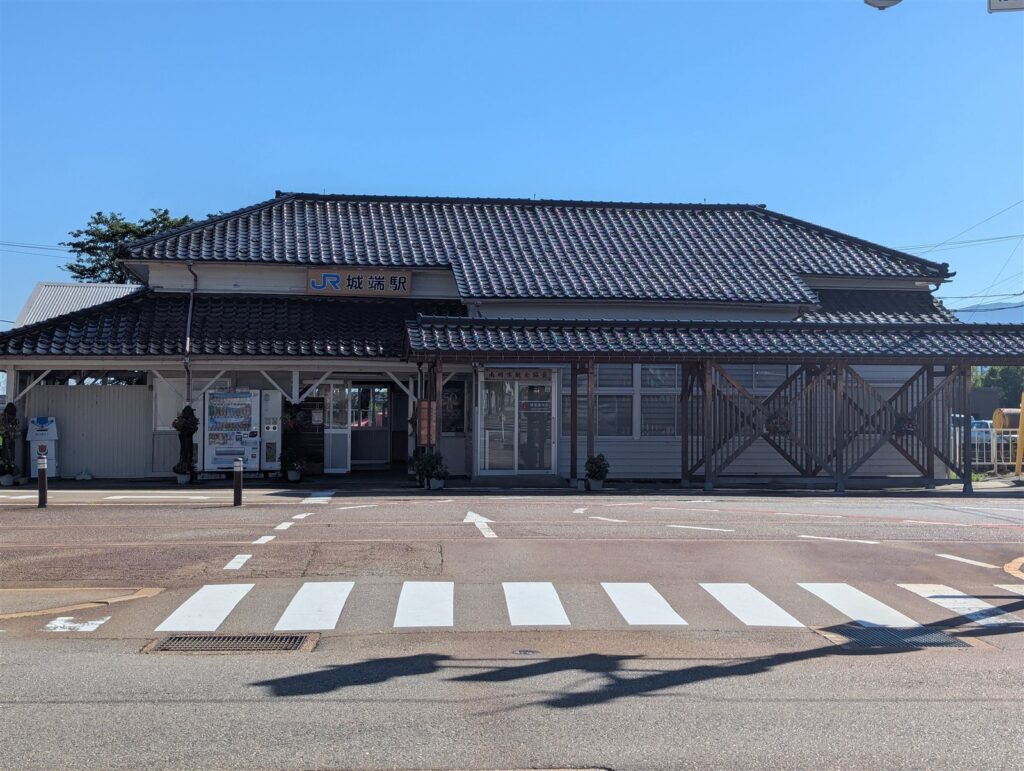
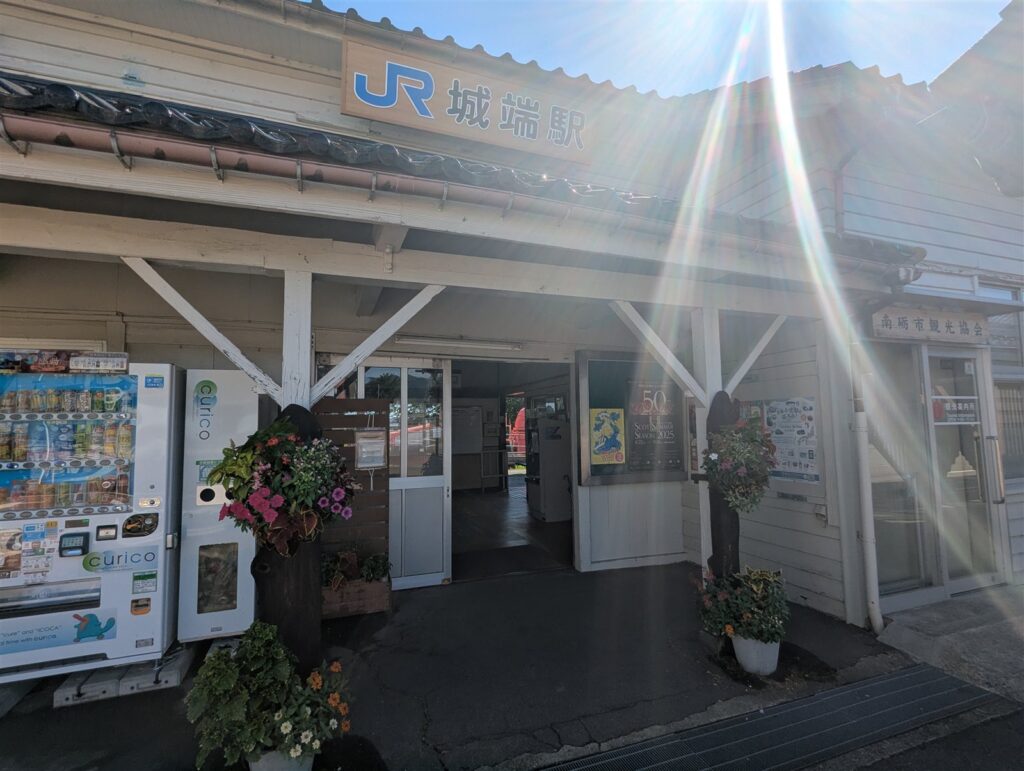
Johana Station is the last stop on the JR Johana Line. It is a wooden station building with a tiled roof, and you can walk to the locations from here.
Inside the station is the Johana Station Tourist Information Center, with coin lockers and rental bicycles. It is handy to pick up a walking map here before you set off.
| Item | Details |
|---|---|
| Tourist Information Center hours | 9:00–17:00 |
| Closed | Year-end and New Year holidays |
| Services | Coin lockers, rental bicycles, free Wi-Fi |
I reached the station at around 8:30 in the morning, before the center opened. If you want to stop by, plan to arrive after 9:00.
Official: Tourist Information Centers | Gokayama NANTO Tourism Organization (Japanese)
2. A-Coop Nanto Sefre | The supermarket in episode 4
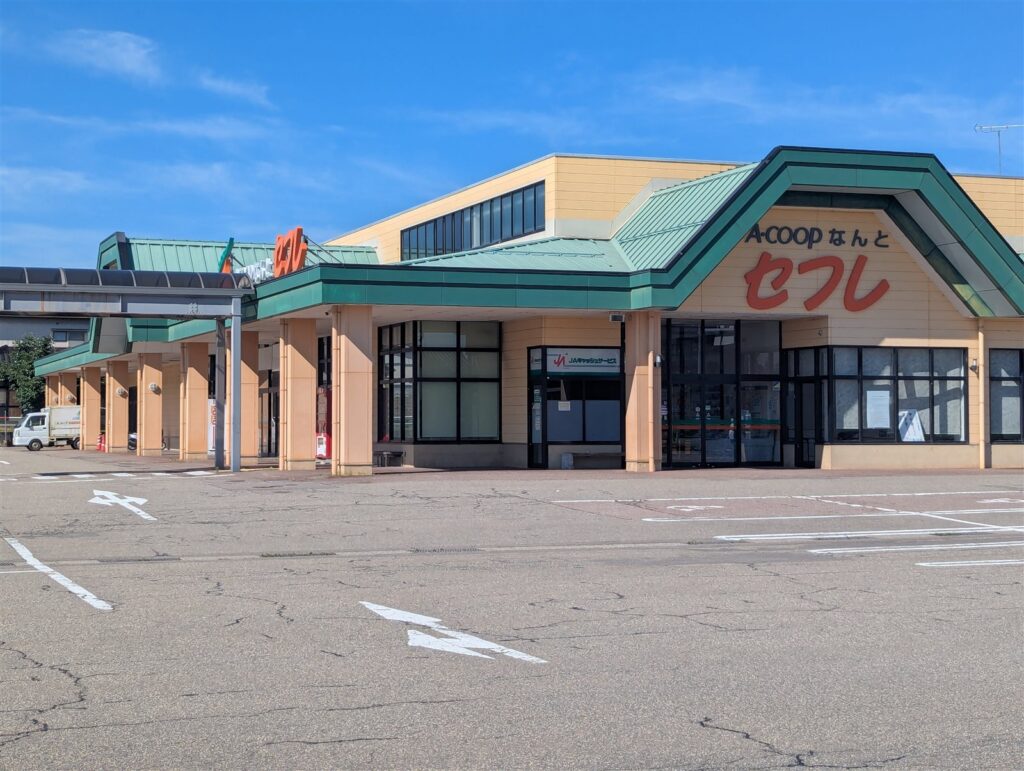

This supermarket with a green roof appears in episode 4. It is said to be the model for the scene where the Isurugi siblings go shopping, and the exterior is drawn almost exactly as it is.
It is a working store that local people still use. Take photos from outside the car park or from the pavement, and keep cars and shoppers out of the frame.
3. Goboshita Bridge | The bridge in episode 7
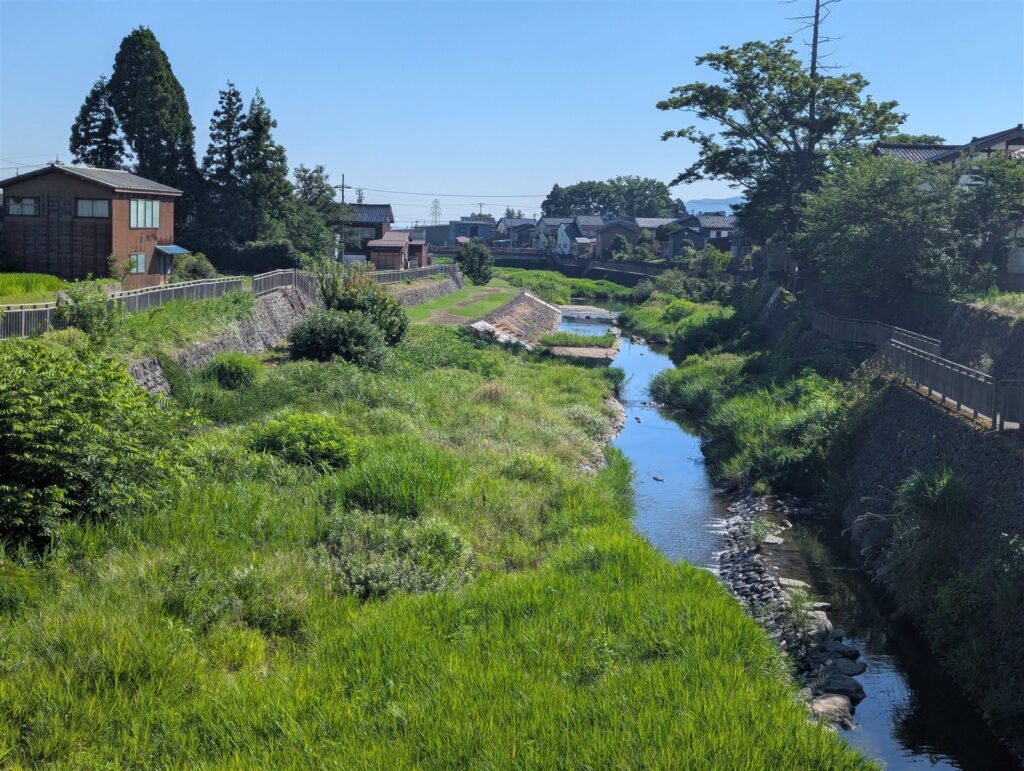
Heading from A-Coop Nanto Sefre toward the town center, you cross Goboshita Bridge over the Yamada River. The bridge appears in episode 7, and the Gobozaka slope begins on the other side.
From the bridge you can look out over the river and the houses of Johana. The pavement is narrow in places, so watch out for cars.
4. Gobozaka slope | The slope in episode 3
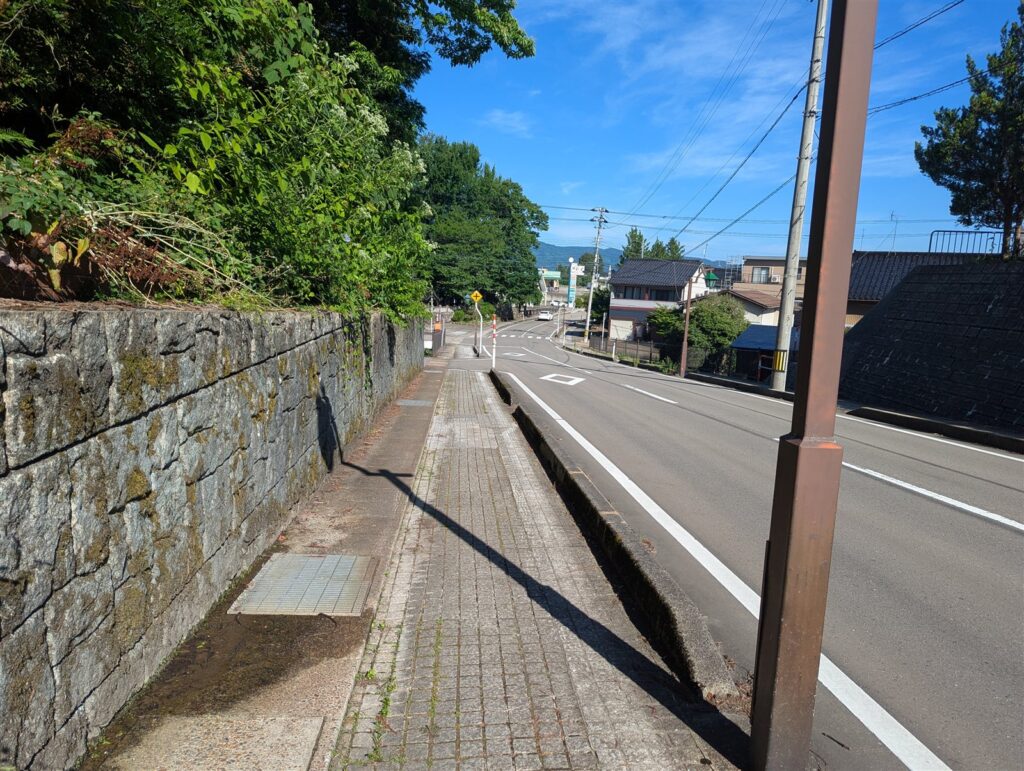
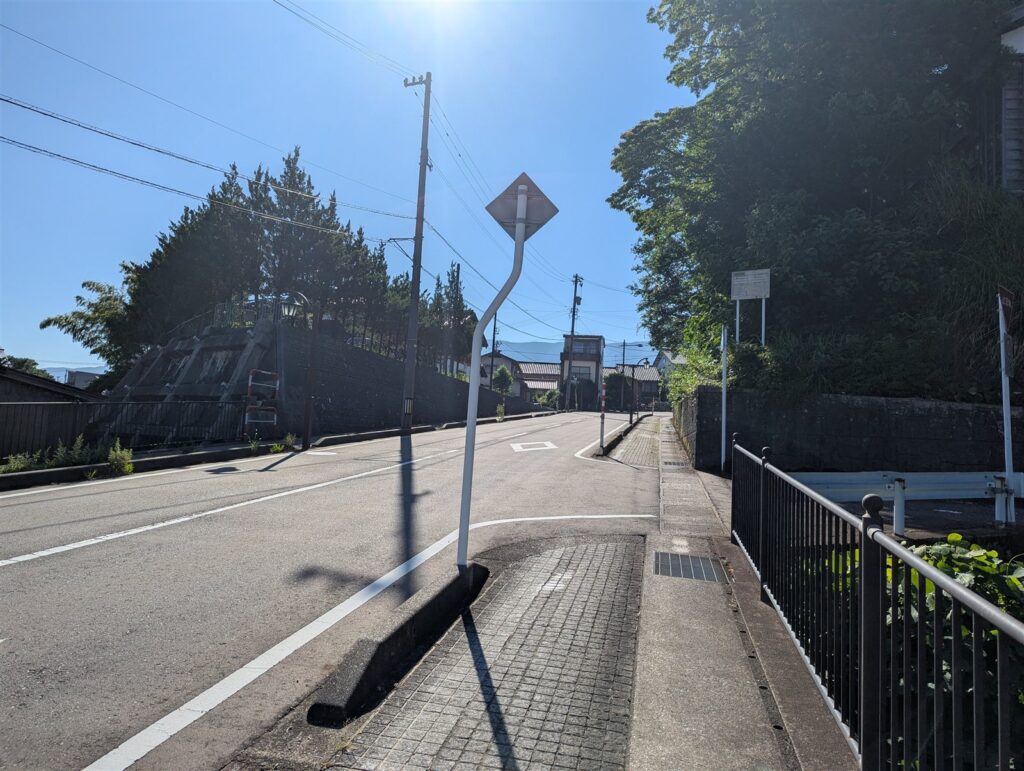
Gobozaka is the slope that climbs from Goboshita Bridge up to Zentokuji Temple. It appears in episode 3.
A mossy stone wall runs along one side, and you can see the mountains from the bottom of the slope. The atmosphere of the anime is well preserved here.
Cars use this road, so take photos from the pavement.
5. Johana Betsuin Zentokuji Temple | The gate area appears in episode 8
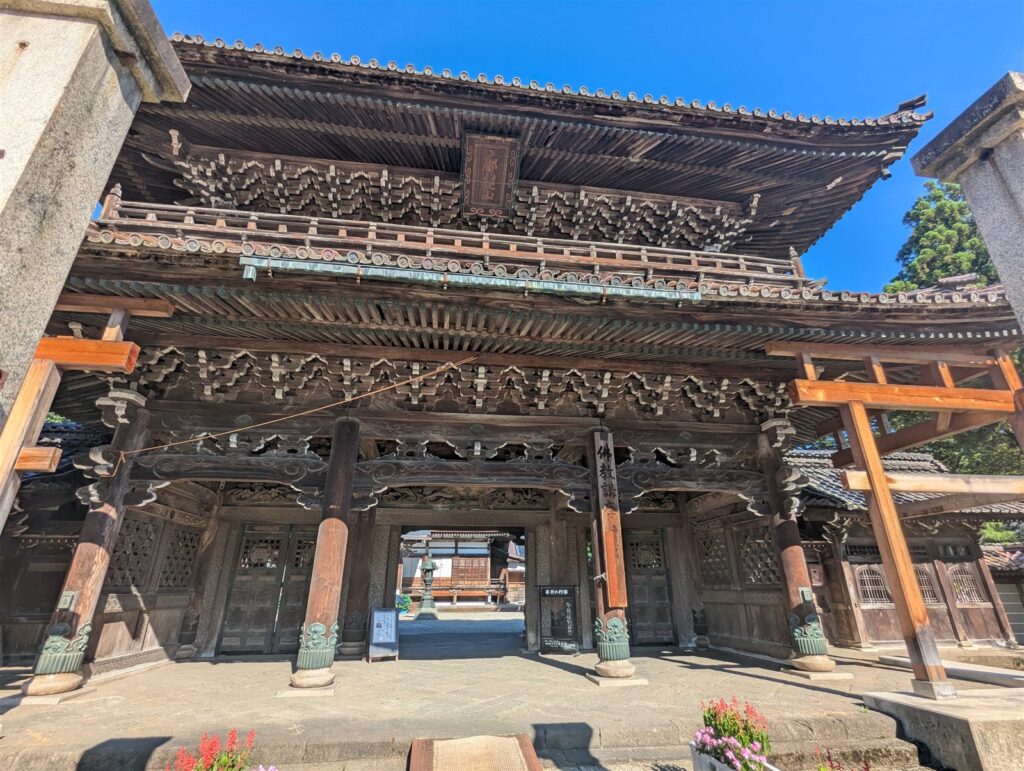
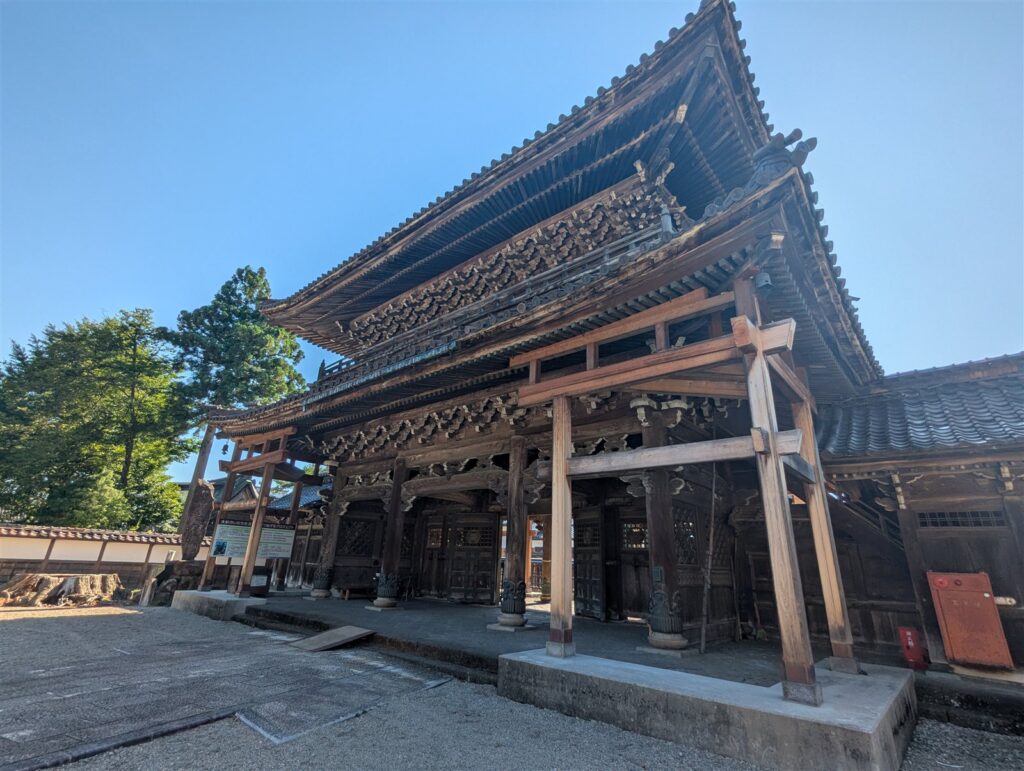
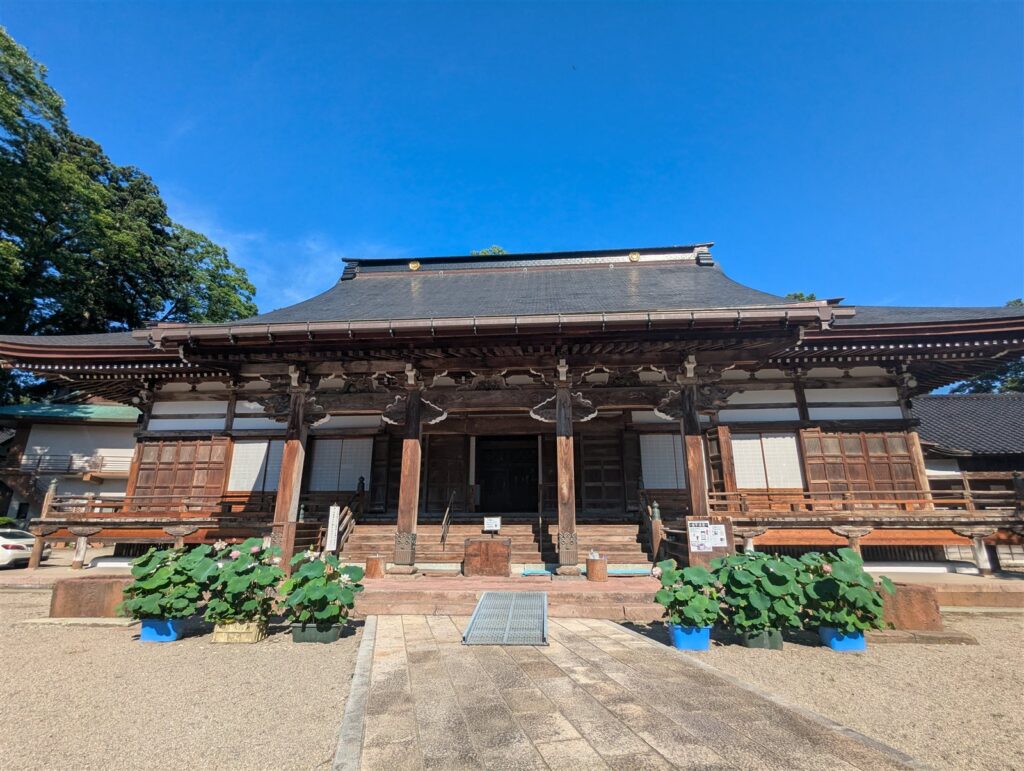
At the top of the slope, the large sanmon gate of Johana Betsuin Zentokuji Temple comes into view. The area around the gate appears in episode 8.
Zentokuji is a temple of the Shinshu Otani-ha school, said to have been founded about 530 years ago by Rennyo, the 8th head priest of Hongan-ji. Johana grew as the temple town of Zentokuji.
The nearby Zentokuji Kaikan hall appears in episodes 1 and 7. It is said to be the model for the building where Shin’ichiro practices his dance.
| Item | Details |
|---|---|
| Sanmon gate hours | 5:00–17:00 |
| Visiting the main hall | Free |
| Guided tour of the inner buildings | 500 yen per person (advance booking required; reception 9:00–17:00) |
| Address | 405 Johana Nishikami, Nanto City, Toyama |
| Access | About 10 minutes on foot from JR Johana Station |
Official: Johana Betsuin Zentokuji Temple (Japanese)
6. Zentokuji-mae intersection | The intersection in episodes 4 and 7
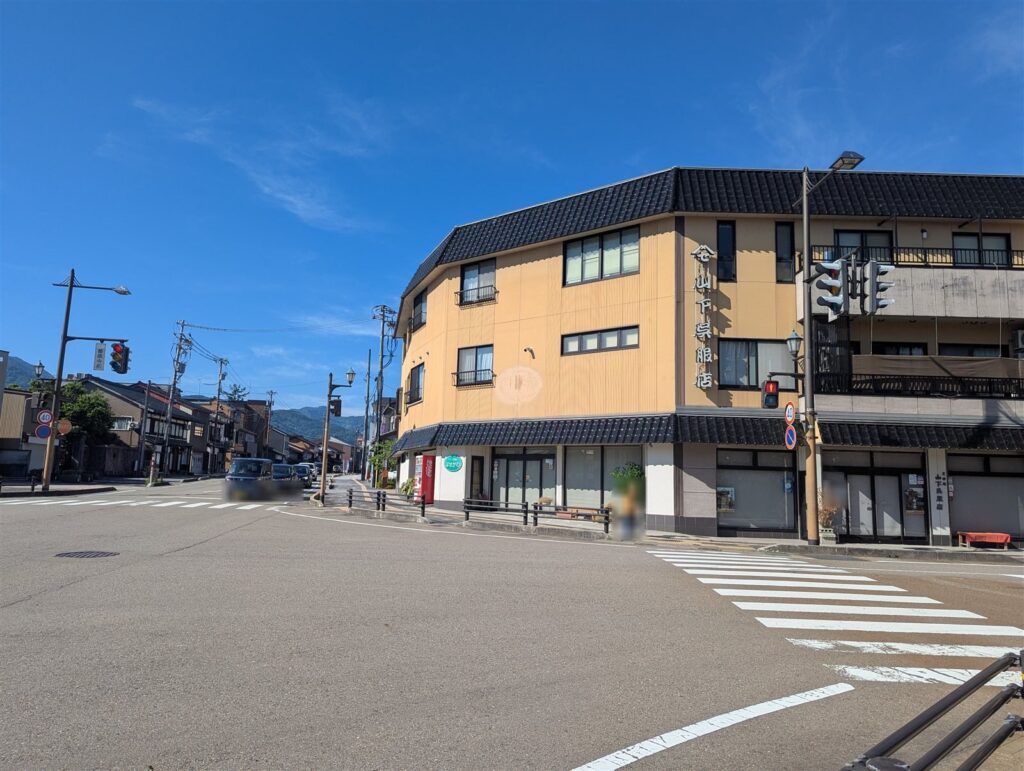
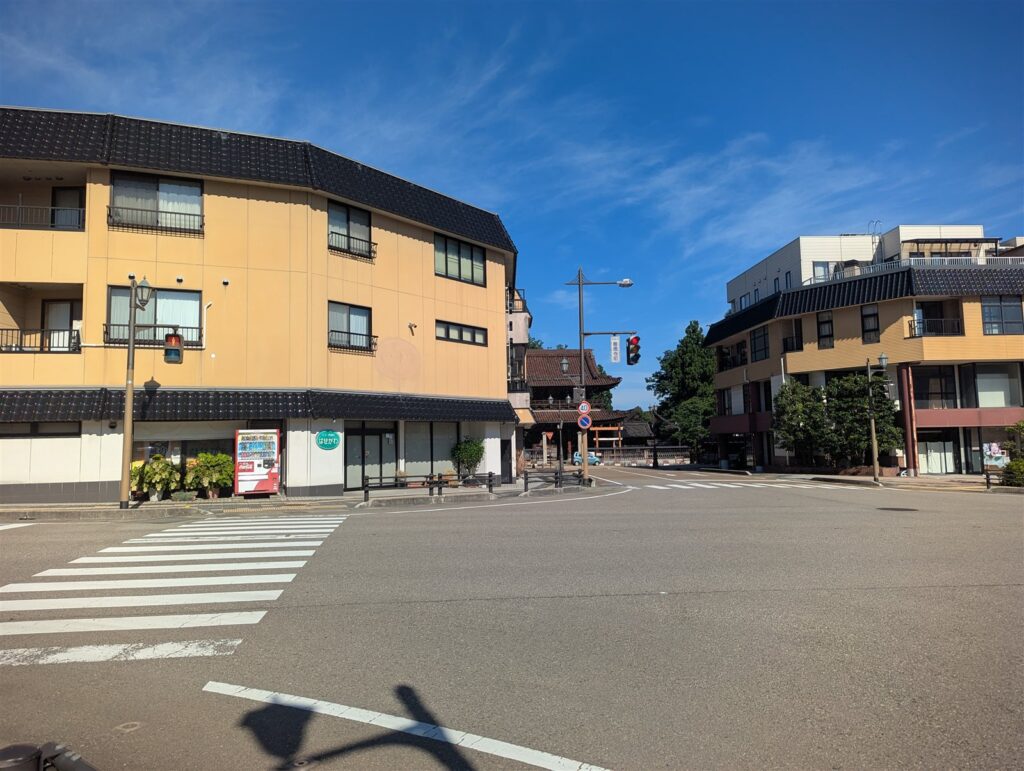
Zentokuji-mae intersection is where the temple approach meets the main street. It appears in episodes 4 and 7, and is drawn many times in scenes such as the walk to and from school.
It is an intersection with traffic lights and passing cars. Do not stop on the crossing; take your photos from the pavement.
7. The Johana townscape | Opening, episodes 4 and 12
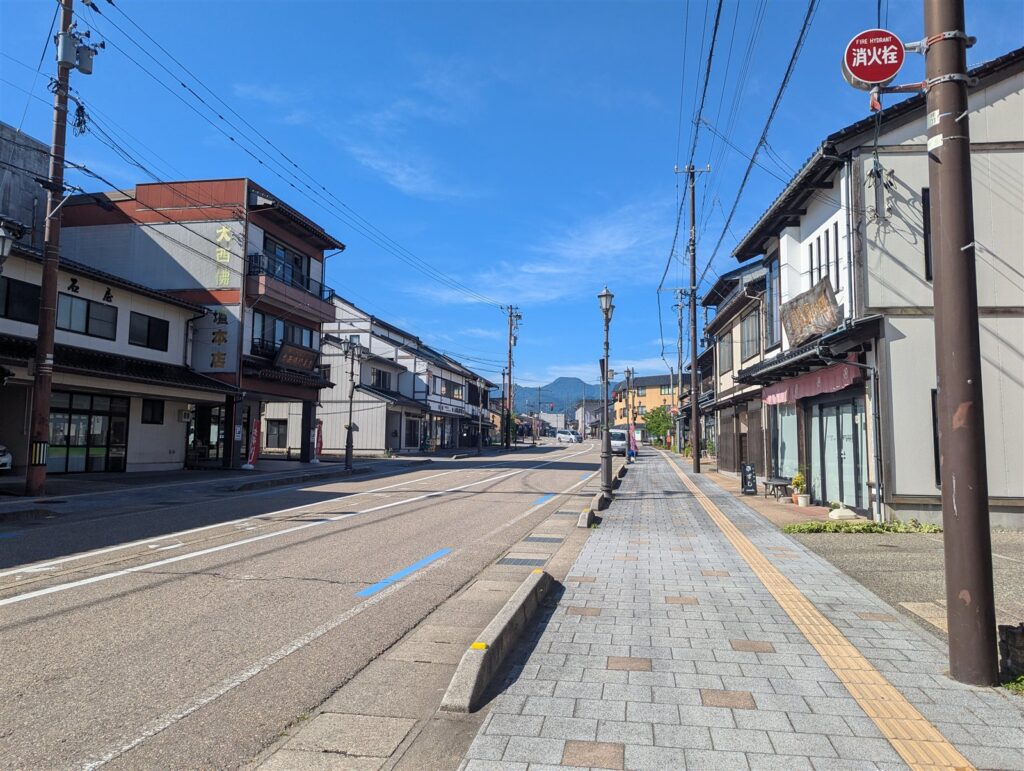
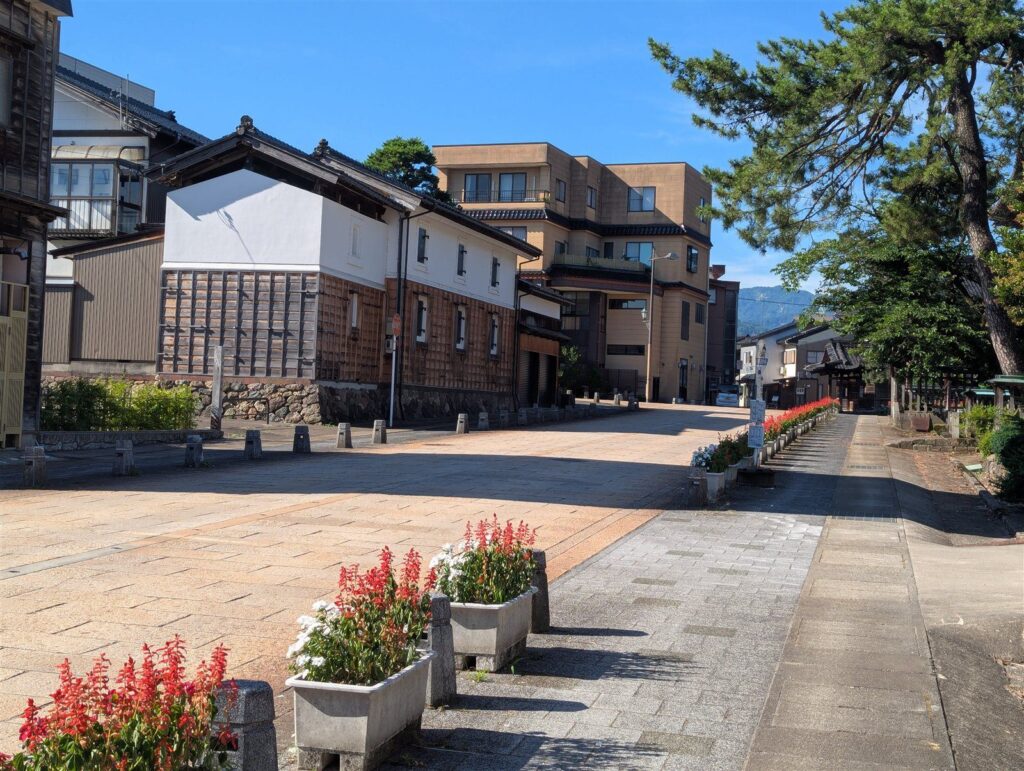
Around Zentokuji, townhouses with lattice doors stand next to white-walled buildings. This townscape appears in the opening and in episodes 4 and 12.
Episode 12 includes the Mugiha Festival scenes. Try picturing Johana on a festival day as you walk.
The street is a place of daily life, lined with shops and homes. Take care not to photograph the inside of houses or the people who live there.
Extra: Nishi-Shinden Shinmeisha Shrine | Said to resemble the shrine in the anime
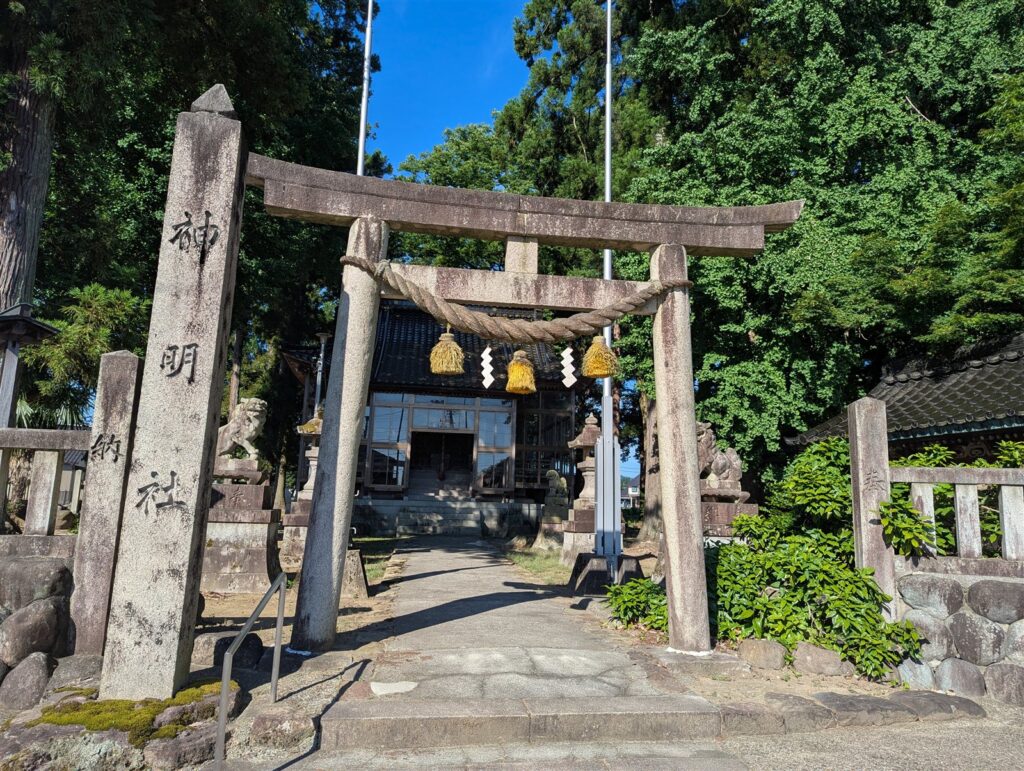
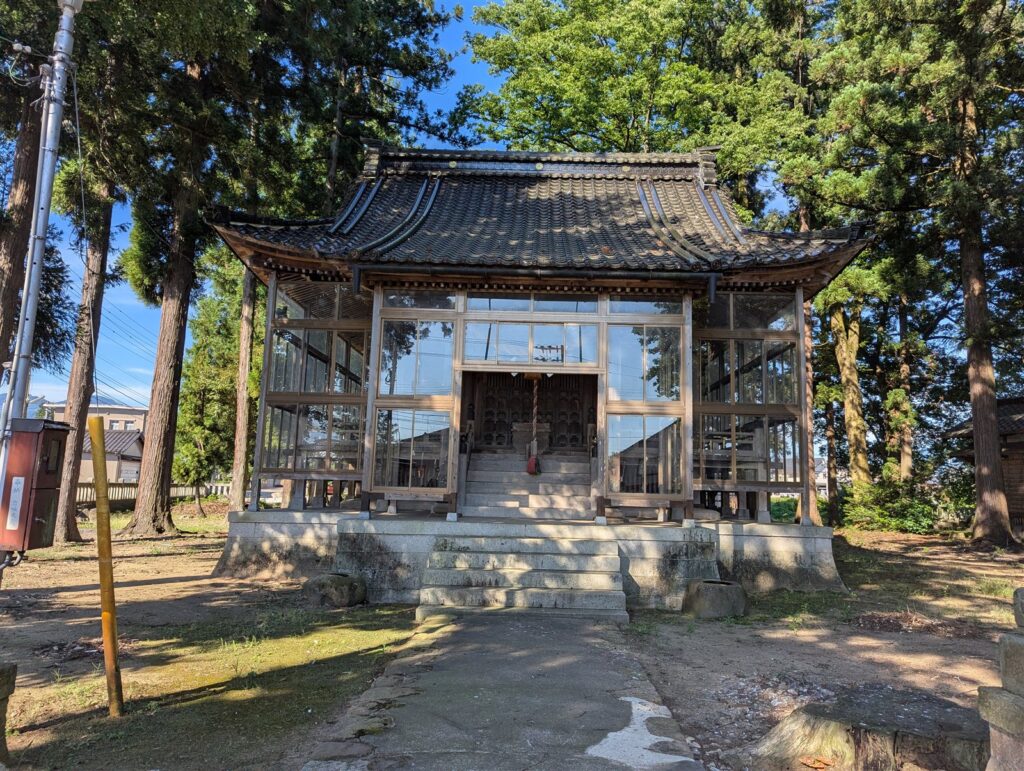
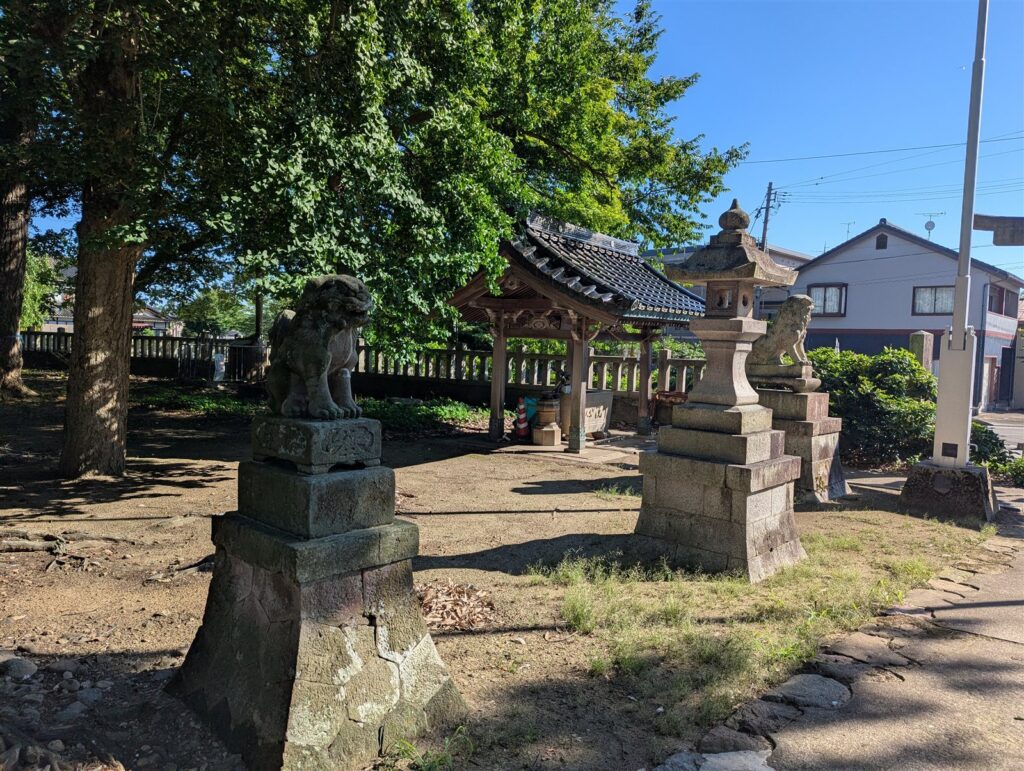
This shrine stands just below the Gobozaka slope. It is not on the “Anitabi Nanto” list, but among fans it is regarded as one of the models for the shrine that appears several times in the anime.
Pilgrimage reports compare it with scenes from episodes 3, 6, 8 and 12. However, the shrine in the anime is also said to combine several shrines, so the scenery does not match exactly.
A worship hall stands beyond the stone torii gate, and the grounds have guardian dog statues and a water basin pavilion. Local people come here to pray, so please visit quietly.
Reference: “true tears” Pilgrimage (1) Johana, Part 1 | LLxyo’s Daydreams (Japanese)
Extra: See the model for Mugiha Academy from outside only
The school attended by Shin’ichiro and his friends is said to be modeled on Nanto Municipal Johana Junior High School. Students still attend it today.
Please do not enter the grounds or photograph the students or the school building. I did not go to the school on this visit.
Recommended walking order (model route)
If you walk from Johana Station, this order saves you from doubling back.
| Order | Place | Episodes |
|---|---|---|
| 1 | JR Johana Station (pick up a map at the information center) | — |
| 2 | A-Coop Nanto Sefre | Episode 4 |
| 3 | Goboshita Bridge | Episode 7 |
| 4 | Gobozaka slope | Episode 3 |
| 5 | Johana Betsuin Zentokuji Temple, Zentokuji Kaikan | Episode 8; episodes 1 and 7 |
| 6 | Zentokuji-mae intersection | Episodes 4 and 7 |
| 7 | Johana townscape, Johana Hikiyama Kaikan | Opening, episodes 4 and 12 |
| 8 | Back to JR Johana Station | — |
I walked it in the opposite direction. I left the bottom of the Gobozaka slope at around 7:50 in the morning, took photos along the way, and reached Johana Station at around 8:30.
If you only look from outside, about an hour is enough. If you add Johana Hikiyama Kaikan and a tour of Zentokuji, allow half a day.
Other places worth a stop
Johana Hikiyama Kaikan | Learn about the festival behind the Mugiha Festival
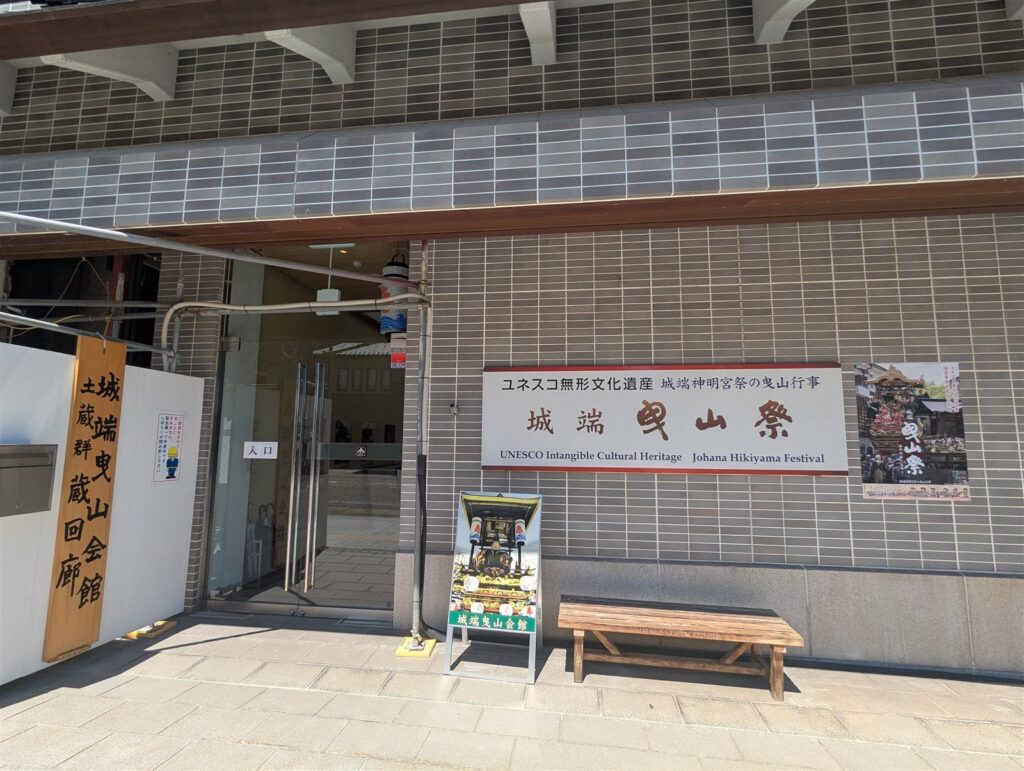
The Mugiha Festival in the anime is based on the Johana Hikiyama Festival and the Johana Mugiya Festival. The Johana Hikiyama Festival is part of “Yama, Hoko, Yatai, float festivals in Japan”, a UNESCO Intangible Cultural Heritage.
At Johana Hikiyama Kaikan, near Zentokuji, you can see the festival floats all year round. If you cannot come on a festival day, this is where to get a feel for it.
| Item | Details |
|---|---|
| Opening hours | 9:00–17:00 (last entry 16:30) |
| Closed | Tuesdays, 29 December – 3 January |
| Admission | Adults 520 yen, high school and university students 310 yen, junior high school students and younger free (includes the “Kura Kairo” storehouse gallery) |
| Address | 579-3 Johana, Nanto City, Toyama |
| Access | About 15 minutes on foot from JR Johana Station; about 5 minutes by car from Fukumitsu IC |
Official: Johana Hikiyama Kaikan | Gokayama NANTO Tourism Organization (Japanese)
Johana’s local sweet, Gaya-yaki
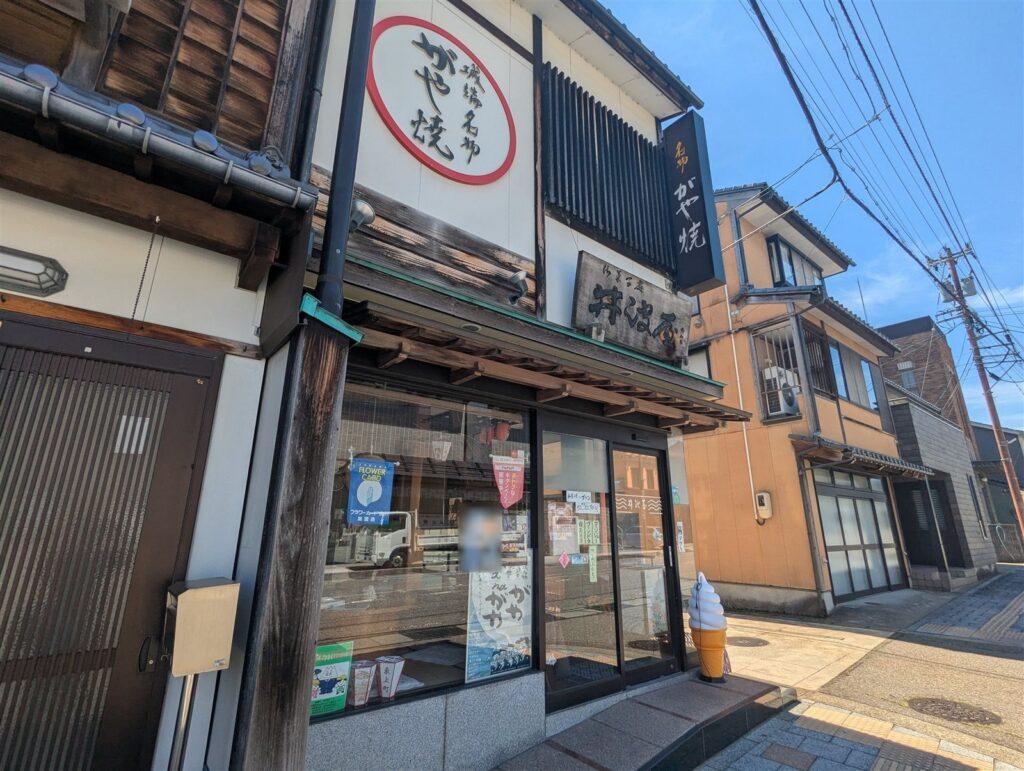
Along the street there is a Japanese sweet shop with a sign reading “Johana specialty Gaya-yaki”. It makes a good break during your walk.
How to get to Johana
By train
Change to the JR Johana Line at Shin-Takaoka Station on the Hokuriku Shinkansen, or at Takaoka Station on the Ainokaze Toyama Railway. Get off at Johana Station, the last stop.
| From | Route | Approximate time |
|---|---|---|
| Shin-Takaoka Station | JR Johana Line | About 50 minutes |
| Kanazawa Station | Hokuriku Shinkansen to Shin-Takaoka, then the JR Johana Line | About 15 minutes by Shinkansen and about 50 minutes on the Johana Line (not including transfer time) |
Note: Times are approximate. Trains on the Johana Line are not frequent, so check your transfer time at Shin-Takaoka and your return train in advance.
By car
The nearest exit is Fukumitsu IC on the Tokai-Hokuriku Expressway. From there it is about 5 to 10 minutes by car to the center of Johana (around Zentokuji and Johana Hikiyama Kaikan).
The car park in the Zentokuji grounds has only a few spaces. If you come by car, use the Nishi-Shinden municipal car park.
Pilgrimage etiquette and things to note
Every location in Johana is a place that local people use in their daily lives. To keep enjoying the series for years to come, please follow these points.
- Do not enter private homes or private land. Do not photograph the inside of houses or residents
- View the school (Johana Junior High School) from outside only, and do not photograph students or the building
- At shops, keep other customers and car number plates out of your photos
- Do not step into the road at intersections or on the slope. Shoot from the pavement
- Zentokuji is a place of worship. Be quiet in the main hall
- Early in the morning and at night, keep your voice and footsteps down
- Snow piles up in winter. Wear non-slip shoes and warm clothes
Frequently asked questions (FAQ)
Q. Where is the model for Mugiha, the setting of true tears?
A. Johana in Nanto City, Toyama Prefecture. The townscape, Zentokuji Temple, the slope and the supermarket are all based on Johana. The coast is said to be modeled on Himi City and nearby, and the park on Takaoka Kojo Park.
Q. Can I visit the Johana locations on foot?
A. Yes. The main locations are all within walking distance of Johana Station. Allow about an hour if you only look from outside, or half a day if you also visit the facilities.
Q. Which festivals are the model for the Mugiha Festival?
A. The Johana Hikiyama Festival and the Johana Mugiya Festival. Dates can change from year to year, so check Nanto City’s tourism site. The floats can be seen all year at Johana Hikiyama Kaikan.
Q. Can I look inside Zentokuji Temple?
A. You are free to visit the main hall. A guided tour of the inner buildings costs 500 yen per person and must be booked in advance.
Q. Can I enter the school that is the model for Mugiha Academy?
A. No. Johana Junior High School, said to be the model, is a school still in use. Please view it from outside only and do not photograph the students or the building.
Q. Is it better to go by car or by train?
A. For the town of Johana alone, train and walking are enough. If you also want to visit the Himi coast, Takaoka Kojo Park or Gokayama, a car is more convenient.
Where to stay: Takaoka
You reach Johana from Takaoka on the JR Johana Line. Staying in Takaoka the night before lets you walk the town in the quiet morning hours.
Summary
Johana, the model for Mugiha in true tears, is a town where the scenery of the anime is still well preserved many years after it aired.
- The locations are all within walking distance of Johana Station
- Gobozaka slope, Zentokuji Temple and Zentokuji-mae intersection are a few minutes’ walk from each other
- A-Coop Nanto Sefre and Johana Junior High School are still in daily use. Be considerate of those around you
- The floats behind the Mugiha Festival can be seen all year at Johana Hikiyama Kaikan
For another P.A.WORKS series, see our article on the Hanasaku Iroha pilgrimage at Yuwaku Onsen (Japanese). We hope it helps you plan a pilgrimage trip around Hokuriku.
Sources and official information checked (10 October 2026)
- true tears | Anitabi Nanto (Nanto City)
- Tourist Information Centers | Gokayama NANTO Tourism Organization
- Johana Betsuin Zentokuji Temple | Information
- Johana Betsuin Zentokuji Temple | Gokayama NANTO Tourism Organization
- Johana Hikiyama Kaikan | Gokayama NANTO Tourism Organization
©2008 true tears製作委員会
コメント