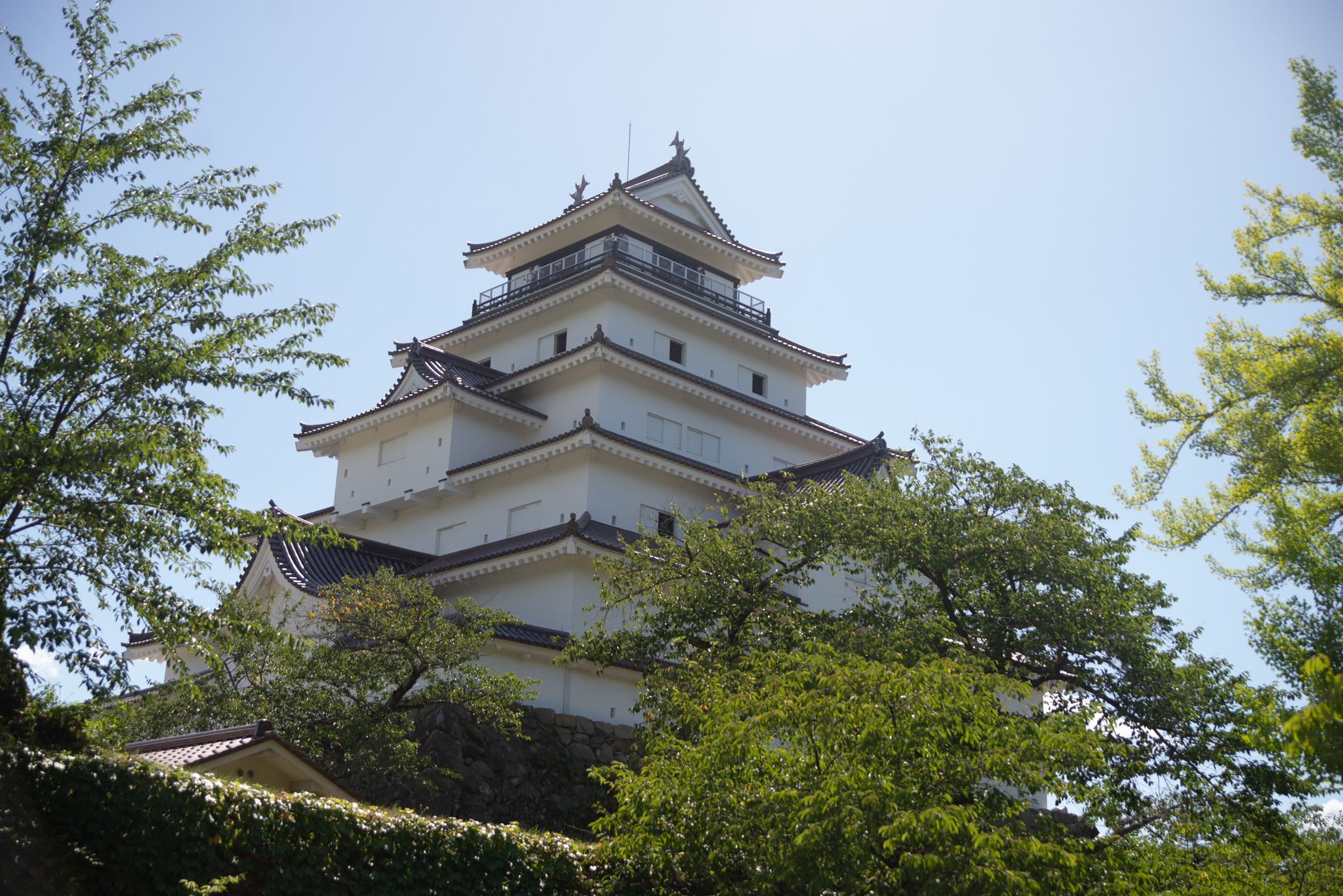
Many people first hear of Tsurugajo Castle through samurai dramas that depict it as the “impregnable castle” of the Boshin War. By the end of this guide, you’ll know exactly what Tsurugajo Castle is, why it earned that reputation, and how its story ultimately came to a close — along with the highlights you shouldn’t miss, from its rare red roof tiles to its historic corridor bridge.
What Is Tsurugajo Castle?
Tsurugajo Castle’s official name is Aizuwakamatsu Castle, and it stands in the city of Aizuwakamatsu in Fukushima Prefecture.
Its history dates back to 1384, when local lord Ashina Naomori built a fortified residence known as Higashi-Kurokawa-kan on the site. Though accounts vary, the stronghold that grew here came to be known as Kurokawa Castle by the mid-15th century.
In 1589, the powerful daimyo Date Masamune — who had long fought the Ashina clan for control of the region — finally defeated them and made Kurokawa Castle his base. His triumph was short-lived, however: after pledging loyalty to the unifier Toyotomi Hideyoshi, Date was ordered to give up the Aizu domain and return to his former base at Yonezawa Castle.
In his place, Hideyoshi installed his trusted retainer Gamo Ujisato as lord of Aizu. Starting around 1592, Gamo carried out a major renovation, transforming Kurokawa Castle into a proper early-modern fortress and developing the surrounding castle town. He also renamed the town itself from Kurokawa to Wakamatsu. When the castle’s seven-story main keep was completed in 1593, the castle took on the name it’s still known by today: Tsurugajo, or “Crane Castle.”
Visitor Information
| Item | Details |
|---|---|
| Opening hours | 8:30 AM – 5:00 PM (last entry 4:30 PM) |
| Closed | Open year-round, no closing days |
| Parking | Available at the Nishidemaru, Higashiguchi, and Minami parking lots (all paid: ¥200 for the first hour, ¥100 per additional hour) |
| Admission | Adults ¥410, children ¥150 |
Prices and hours are subject to change — please check the official website for the latest information before your visit.
Why Is It Called the “Impregnable Castle”?
Tsurugajo Castle earned its reputation as the “impregnable castle” during the Boshin War of 1868, specifically during the Battle of Aizu.
Surrounded by an imperial army said to number over 10,000 soldiers and subjected to relentless cannon and rifle fire, the castle withstood roughly a month of continuous siege without ever falling. Historians point to its formation of stone walls, built with virtually no blind spots, as the key to the garrison’s ability to hold out for so long. In the end, it was the Aizu domain’s surrender — not the castle’s capture — that brought fighting in the Tohoku region to a close.
Highlight #1: The Distinctive Red Roof Tiles
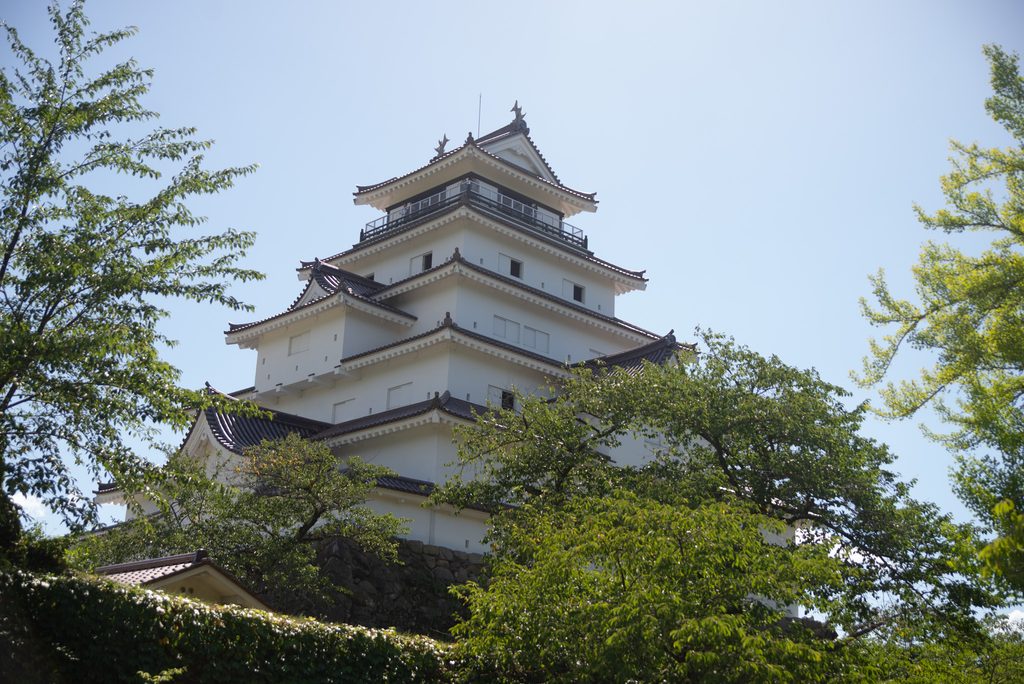
Tsurugajo Castle originally used the black roof tiles common in western Japan. Over time, however, Aizu craftsmen developed a special iron-rich red tile better suited to withstand the region’s harsh cold and heavy snowfall.
Today, Tsurugajo is the only castle in Japan where you can see this striking red-tiled keep in person — a detail well worth looking for as you approach the castle grounds.
Highlight #2: The Tenshu Stone Foundation
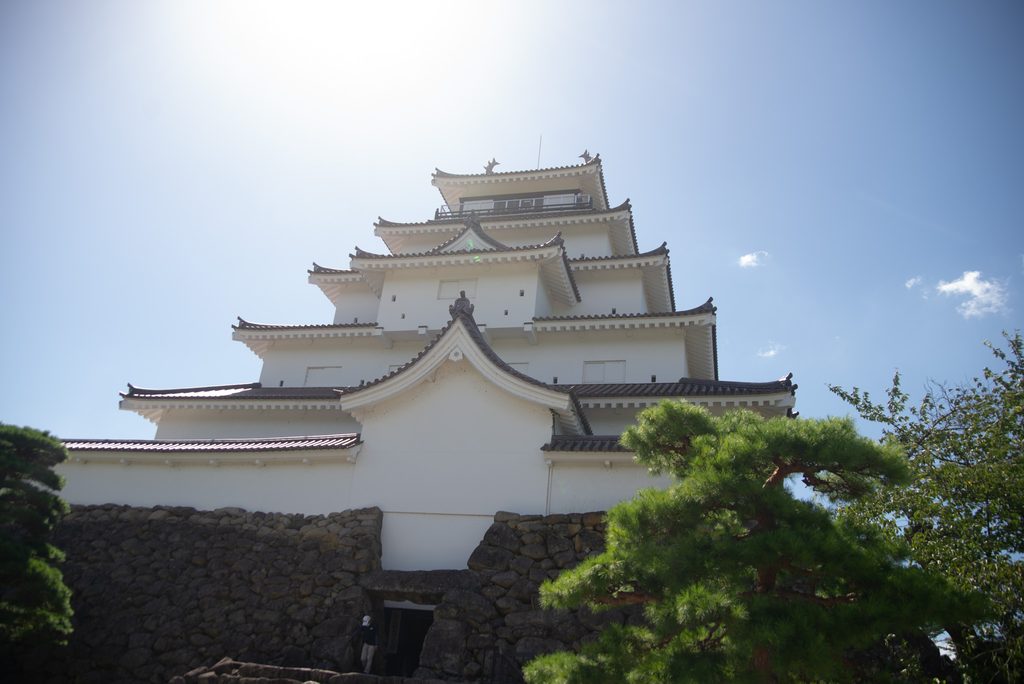
The stone foundation supporting the main keep dates back more than 400 years. It was built using a technique called nozura-zumi, in which natural, largely unworked stones are stacked directly on top of one another — a testament to the skill of the stonemasons of the era.
Highlight #3: The Corridor Bridge (Roka-bashi)
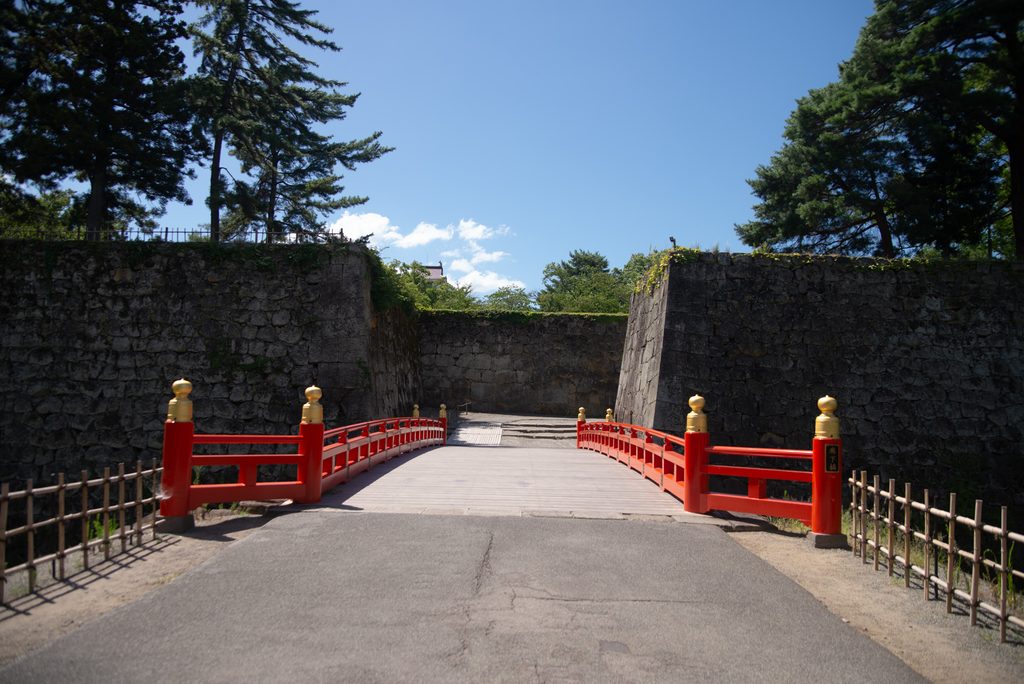
Among the bridges leading to the castle’s main enclosure is a striking red-railed bridge known as the Roka-bashi, or “Corridor Bridge.” While today’s bridge is a later reconstruction, records suggest that during the domain era, an elaborate covered bridge once stood in its place.
Highlight #4: The View from the Keep
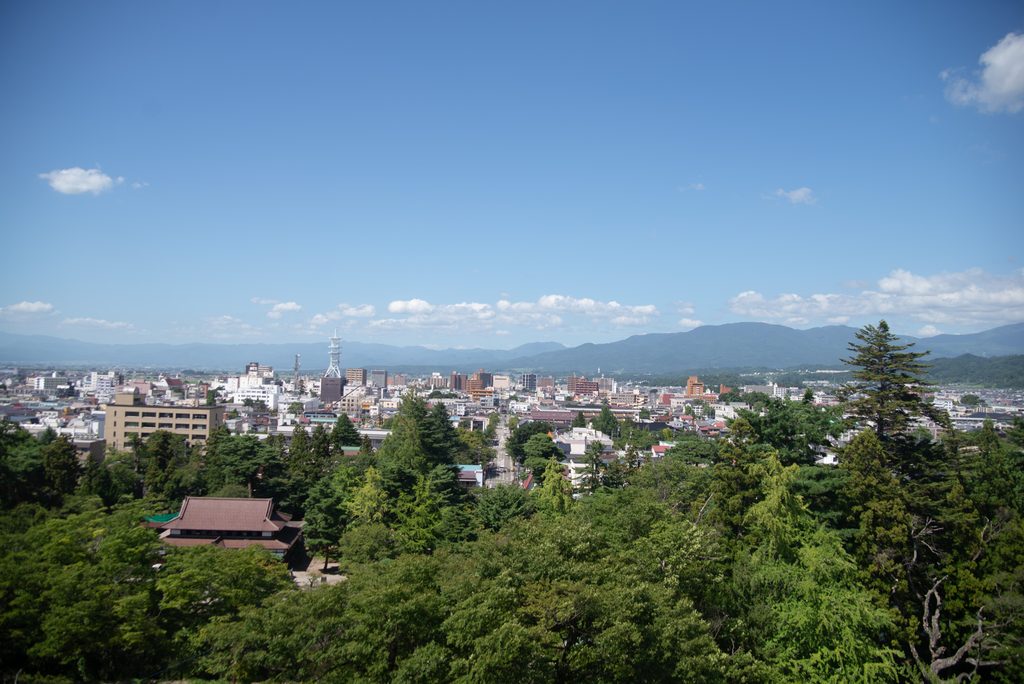
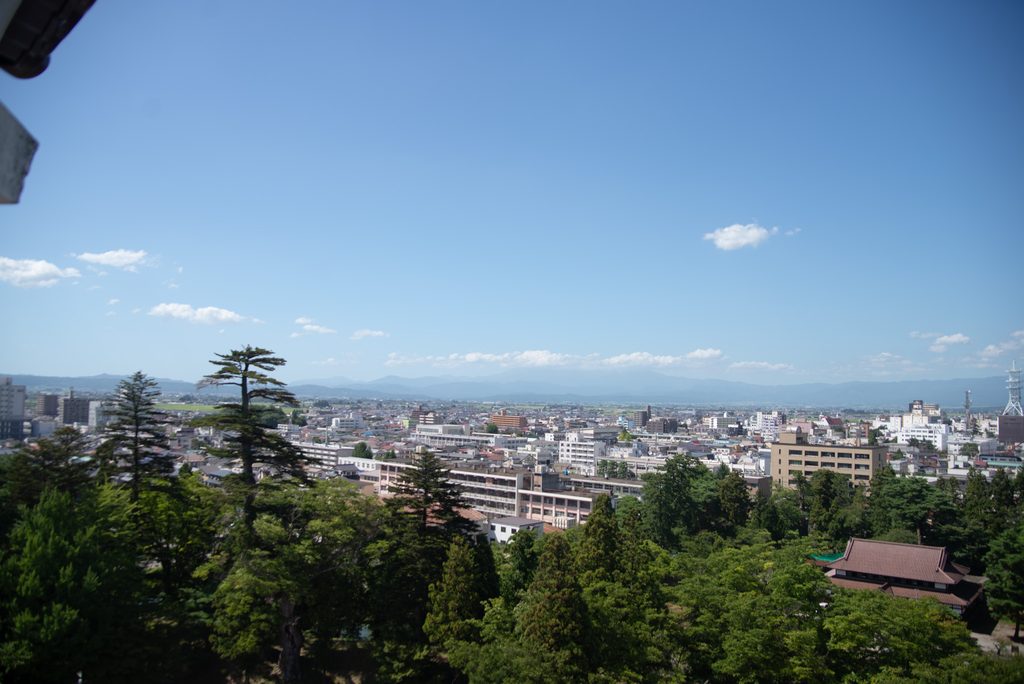
Climb to the top floor of the keep, and you’re rewarded with sweeping views over the city of Aizuwakamatsu. It’s a fitting spot to take in the changing seasons and reflect on the defenders who once held this castle against overwhelming odds.
Conclusion
Tsurugajo Castle’s story stretches back to 1384, when Ashina Naomori first built a fortified residence on the site. After Gamo Ujisato’s major renovation gave the castle its current name in 1593, it went on to earn lasting fame as the “impregnable castle” of the 1868 Boshin War, withstanding roughly a month of siege before the Aizu domain’s surrender brought the fighting to an end.
The castle’s signature red roof tiles — a direct result of Aizu’s snowy climate — can be seen nowhere else in Japan today. Between the tiles, the centuries-old stonework, and the Corridor Bridge, there’s plenty to discover here, so be sure to add Tsurugajo Castle to your itinerary if you’re visiting Aizuwakamatsu.
Thank you for reading!
コメント