Set in Fukui City, Fukui Prefecture, the coming-of-age romantic comedy Chitose-kun wa Ramune Bin no Naka (known to fans as “Chiramune”) follows Saku Chitose — a popular boy at the top of the school social ladder despite being targeted on an anonymous gossip site — and the vivid heroines around him: Yuko Hiiragi, Yua Uchida, Haru Aomi and Yuzuki Nanase. What makes the series stand out is how faithfully it recreates real locations around Fukui City. When the TV anime aired in 2025, the city launched a joint public-private “Chiramune x Fukui” collaboration, and Fukui has since become one of the country’s best-known anime pilgrimage destinations. I walked around the city myself and put together this guide to the spots that appear in the story, along with a couple of local food stops worth pairing with them.
- About Chiramune and the collaboration with Fukui City
- 1. Arakawa Riverbank & Floodgate — the recurring route to school from Episode 1
- 2. Hokoda Park — where Saku and Yuko spent a quiet evening
- 3. Hachiban Ramen Miyuki — where Saku ordered the spicy noodles
- 4. Higashi Park — one-on-one basketball under the hoop
- 5. The Asuwa River Cherry Blossom Path — the walk to school from Episode 1’s opening
- 6. Jyoto Bridge to Hinata Bridge — where Yuzuki asked Saku on a date
- 7. Fukui Prefectural Library — where Saku’s group studied for exams
- Local food worth pairing with the pilgrimage
About Chiramune and the collaboration with Fukui City
The series began as a light novel by Yumu, praised from early on for how carefully it depicted the streets of Fukui City. Following the 2025 anime adaptation, the “Chiramune x Fukui 2025” campaign ran from August to October that year, featuring a newly illustrated key visual by character designer raemz, a refreshed pilgrimage map, a digital stamp rally across six spots in the city, and a tie-in package for the local soda brand Royal Sawayaka. The campaign’s success helped Fukui earn recognition as an official anime pilgrimage destination in Japan.
Because many of the locations sit close to ordinary homes and schools, visitors are asked to be considerate of local residents and to keep their visits quiet and respectful.
1. Arakawa Riverbank & Floodgate — the recurring route to school from Episode 1
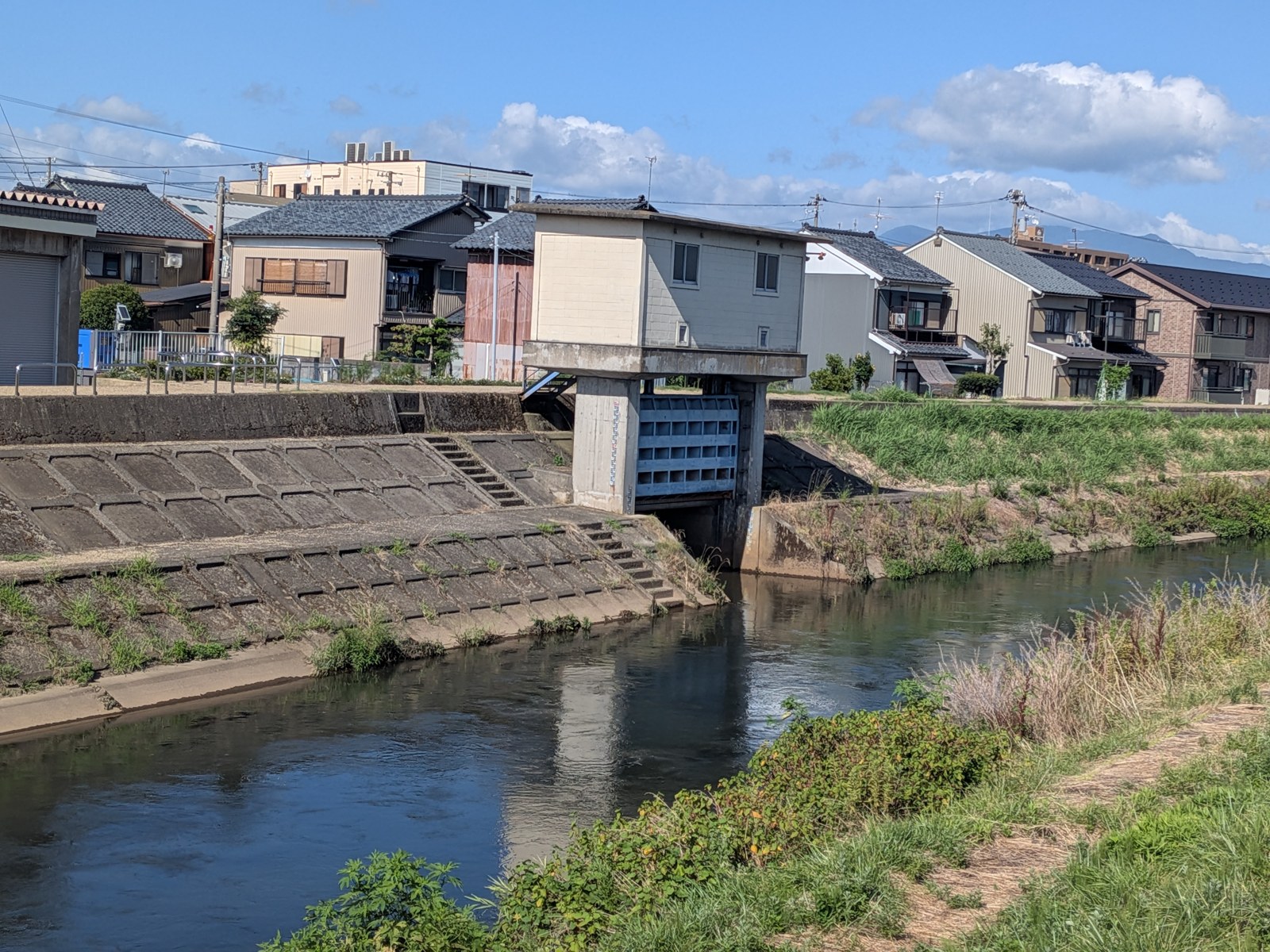
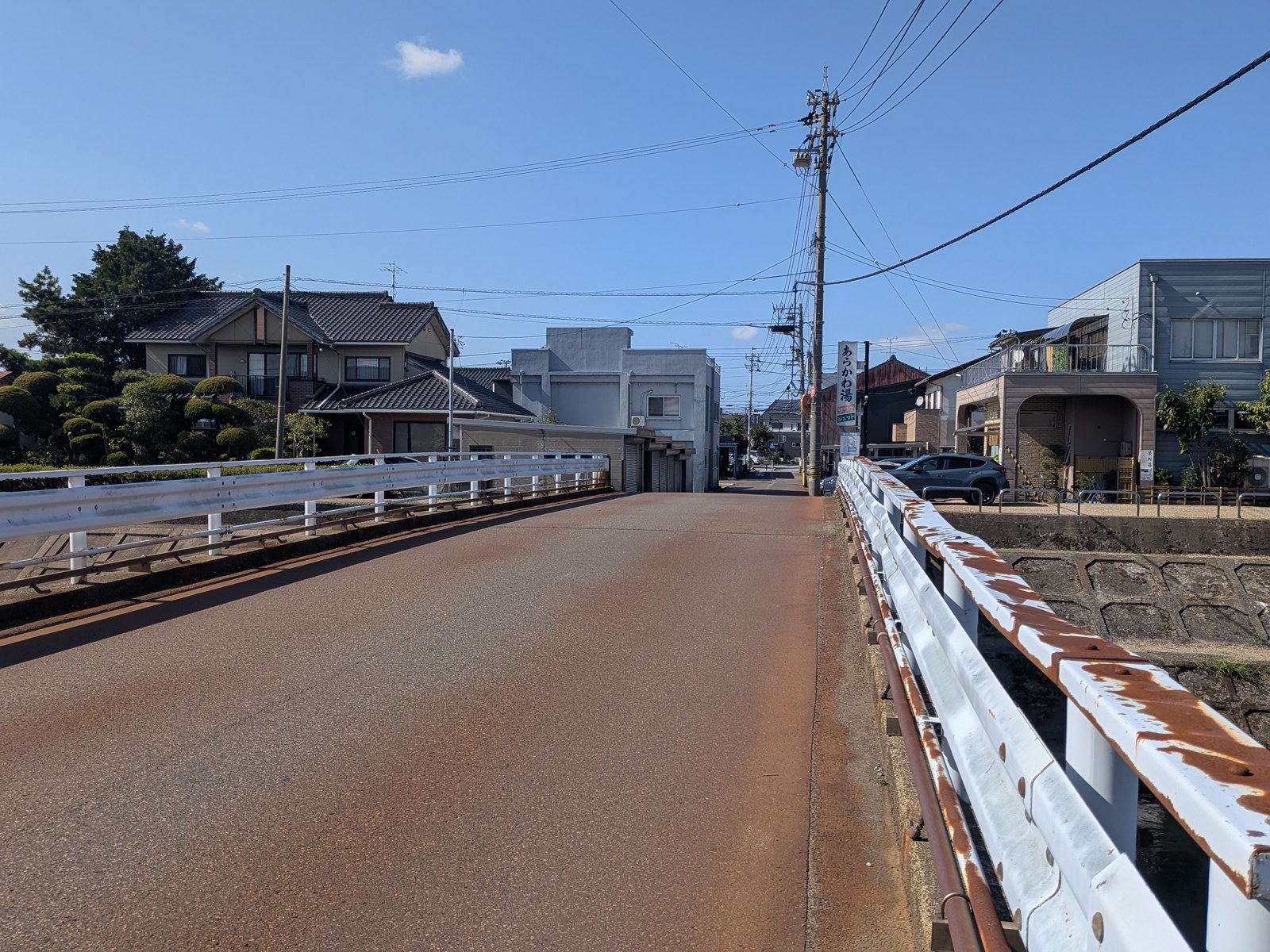
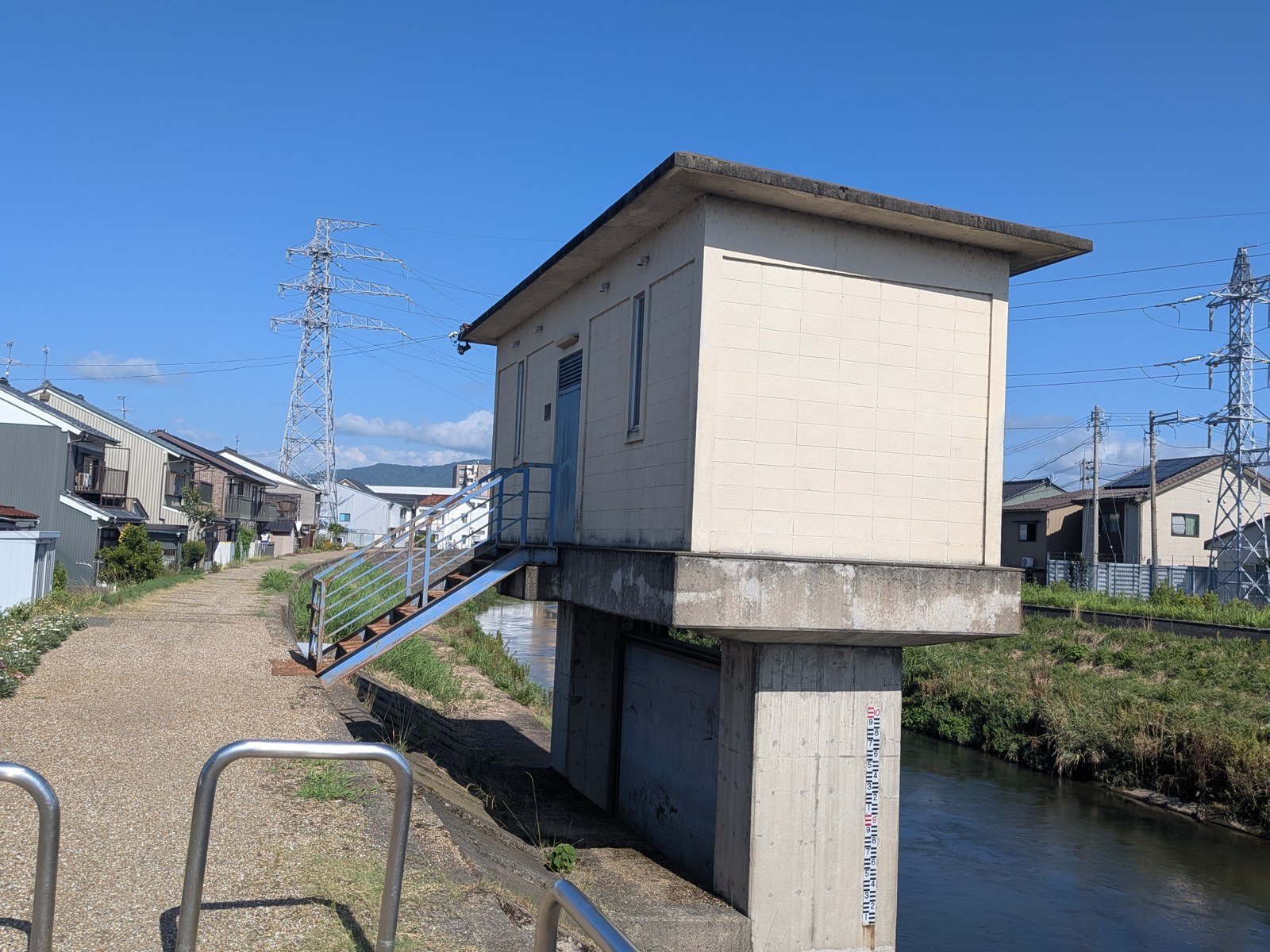
The riverbank and floodgate along the Arakawa River appear repeatedly across Episodes 1, 3 and 4. The Episode 1 scene where Saku talks with upperclassman Asukaze Nishino (affectionately called “Asu-nee”) is especially beloved for its animation quality, and many fans name this spot first when asked about Chiramune’s best-known location. In Episode 4 it also serves as the backdrop for a sunset conversation among Saku, Yuko and his friend Kenta.
A set of steps leads down to the water by the floodgate, and the riverside path lets you frame nearly the same angle as the anime. Being an open riverbank with few passersby, it’s an easy spot to take your time with photos.
2. Hokoda Park — where Saku and Yuko spent a quiet evening
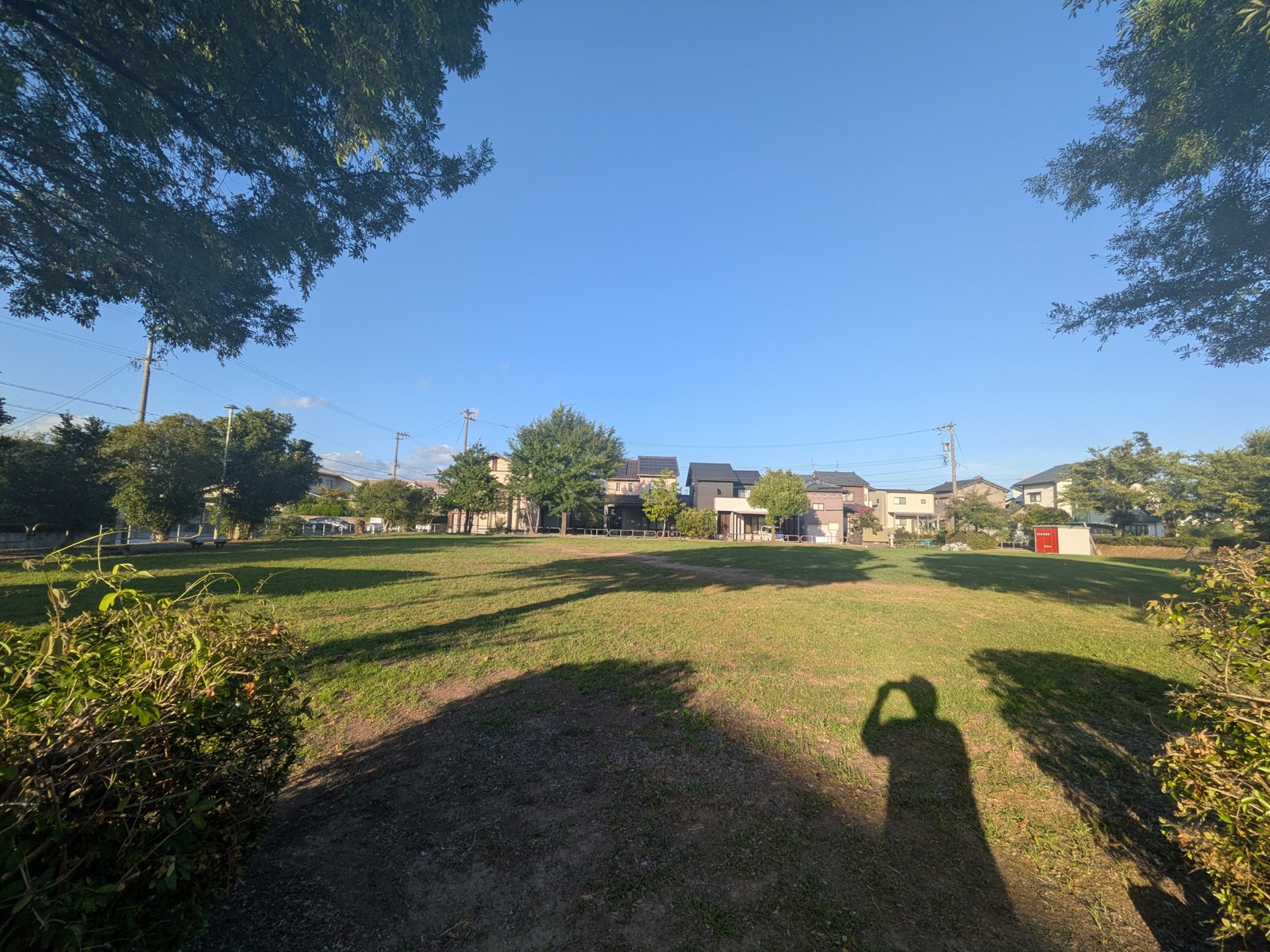
Located in the Shinbo area, Hokoda Park appears in Episode 2 as the park Saku and Yuko visit after Kenta is finally talked round. The scene where Saku drinks a bottle of Royal Sawayaka, Fukui’s own local soda, was memorable enough to be reused in the episode’s next-episode preview. It’s a spacious, grassy park tucked among houses, with a quietly nostalgic feel.
[Bonus] ASPA Golf Range
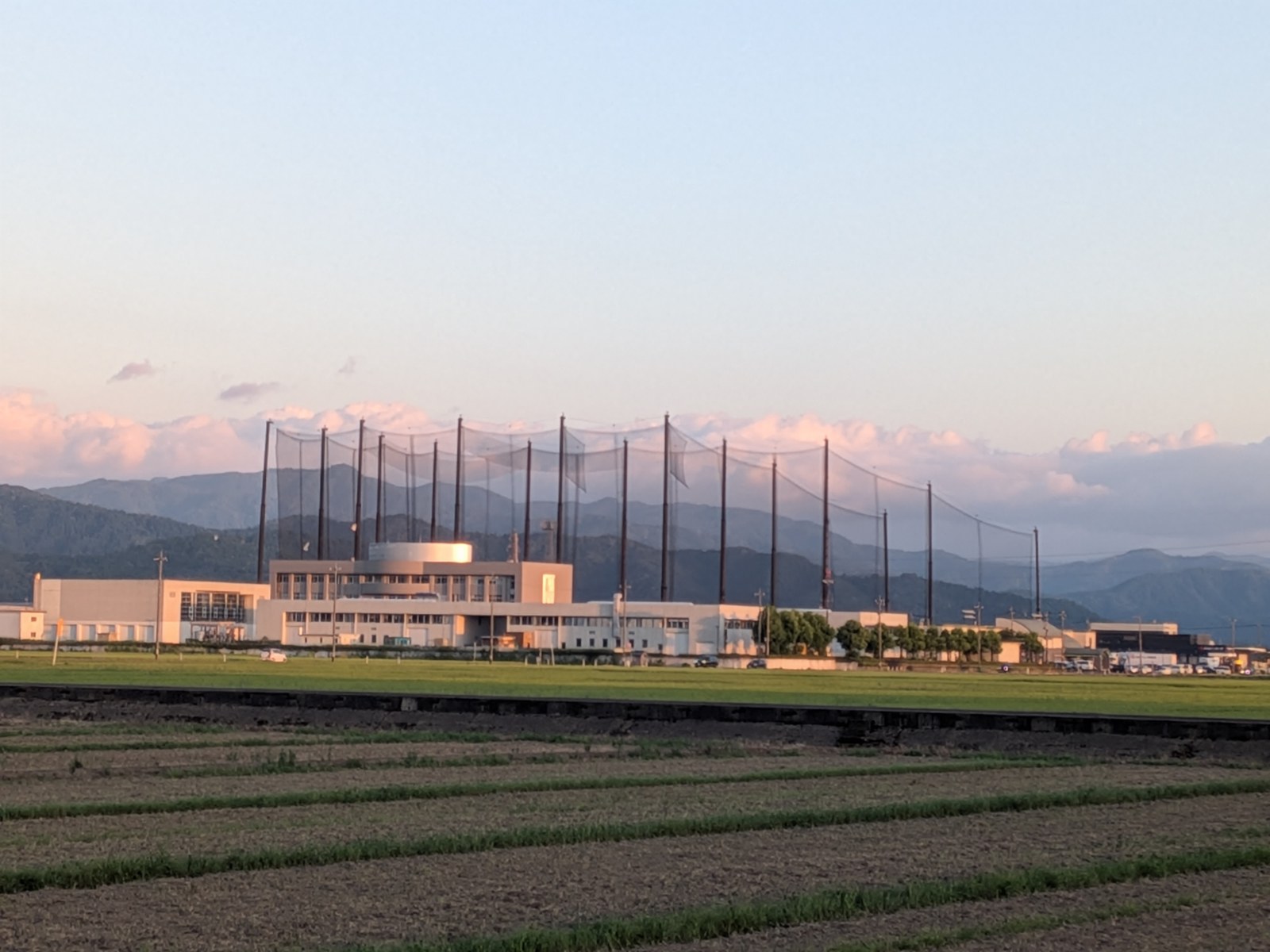
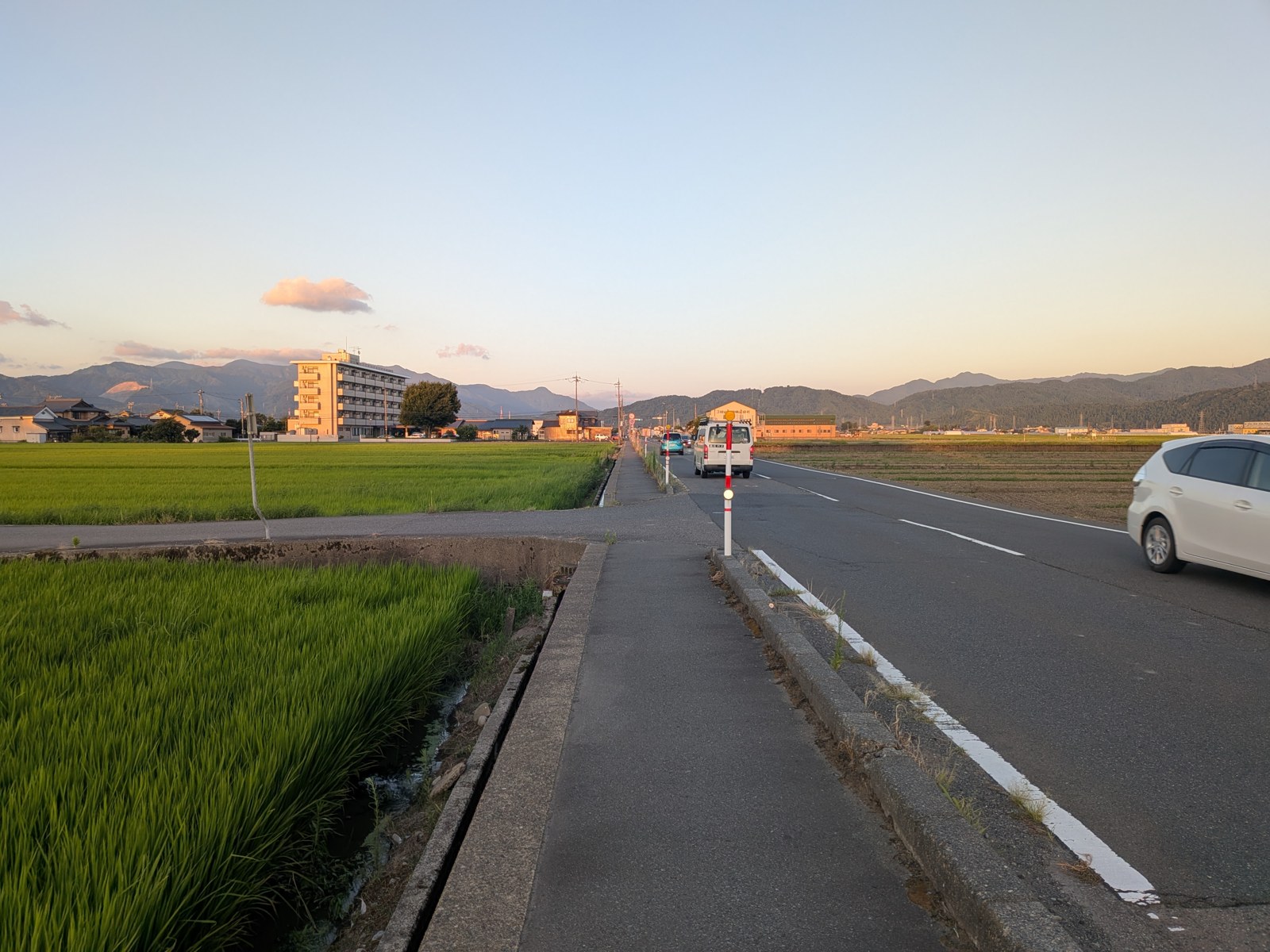
On the way from Hokoda Park, I made a short, unrelated detour to ASPA, a golf driving range — this one doesn’t appear in the anime at all. The silhouette of its nets against the sunset, seen from a road lined with rice paddies, felt like a nice slice of everyday Fukui scenery, so I’m including it here as a personal aside rather than a pilgrimage stop.
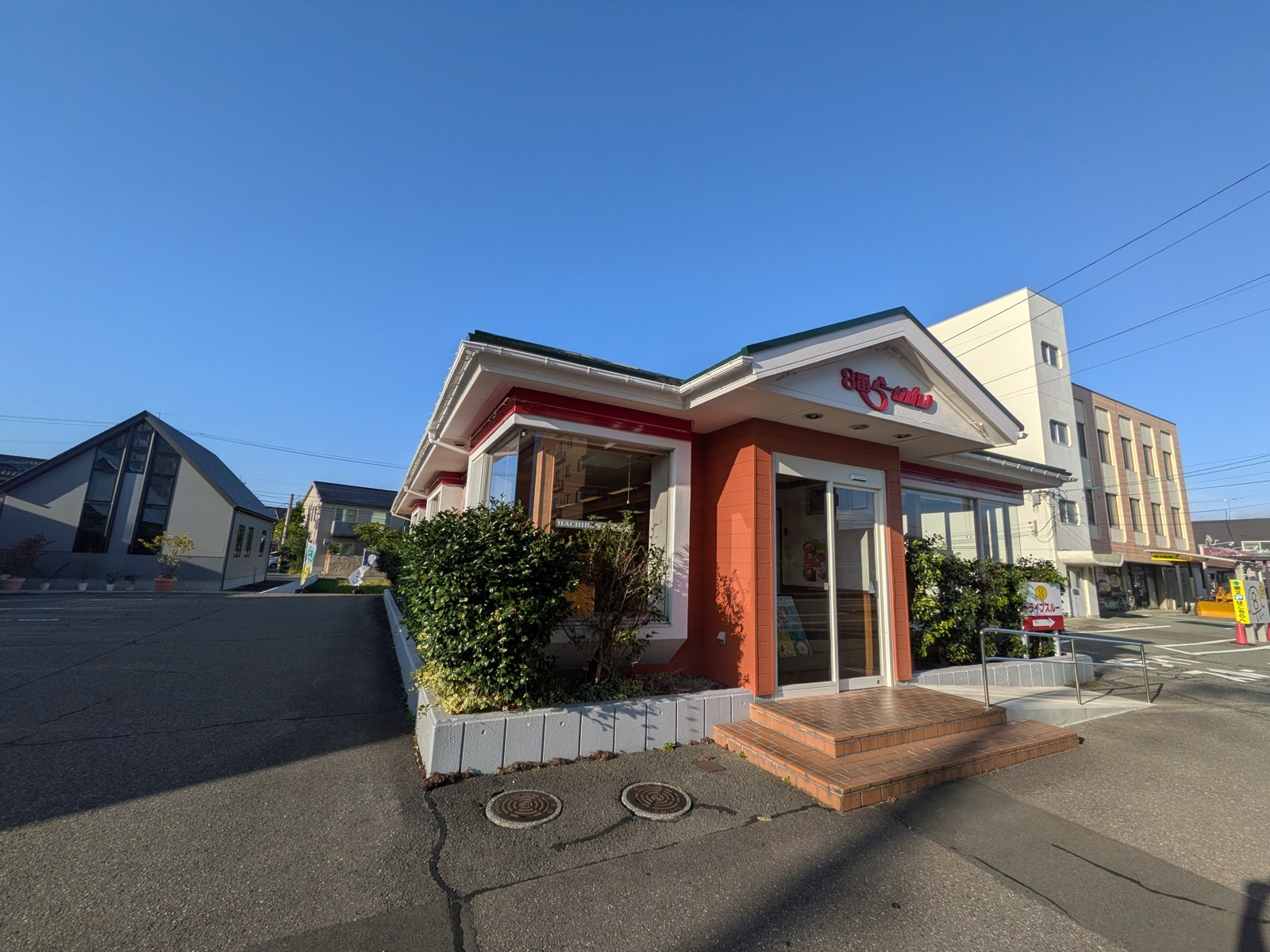
3. Hachiban Ramen Miyuki — where Saku ordered the spicy noodles
Hachiban Ramen is a beloved regional ramen chain across the Hokuriku region, often described as comfort food for locals in Fukui, Ishikawa and Toyama. In the anime it’s the main setting of Episode 3, where Saku and Kenta eat together, and it also appears in the opening sequence. The real-world model is the Miyuki branch, the closest location to the high school the characters attend. Saku’s order was “Kara-men” (roughly ¥900), a spicy noodle dish topped with stir-fried vegetables.
Photography here is allowed with the permission of both head office and the shop owner, on the condition that other customers aren’t captured in any photos or social media posts. Please be mindful of this rule and of other diners if you visit.
4. Higashi Park — one-on-one basketball under the hoop
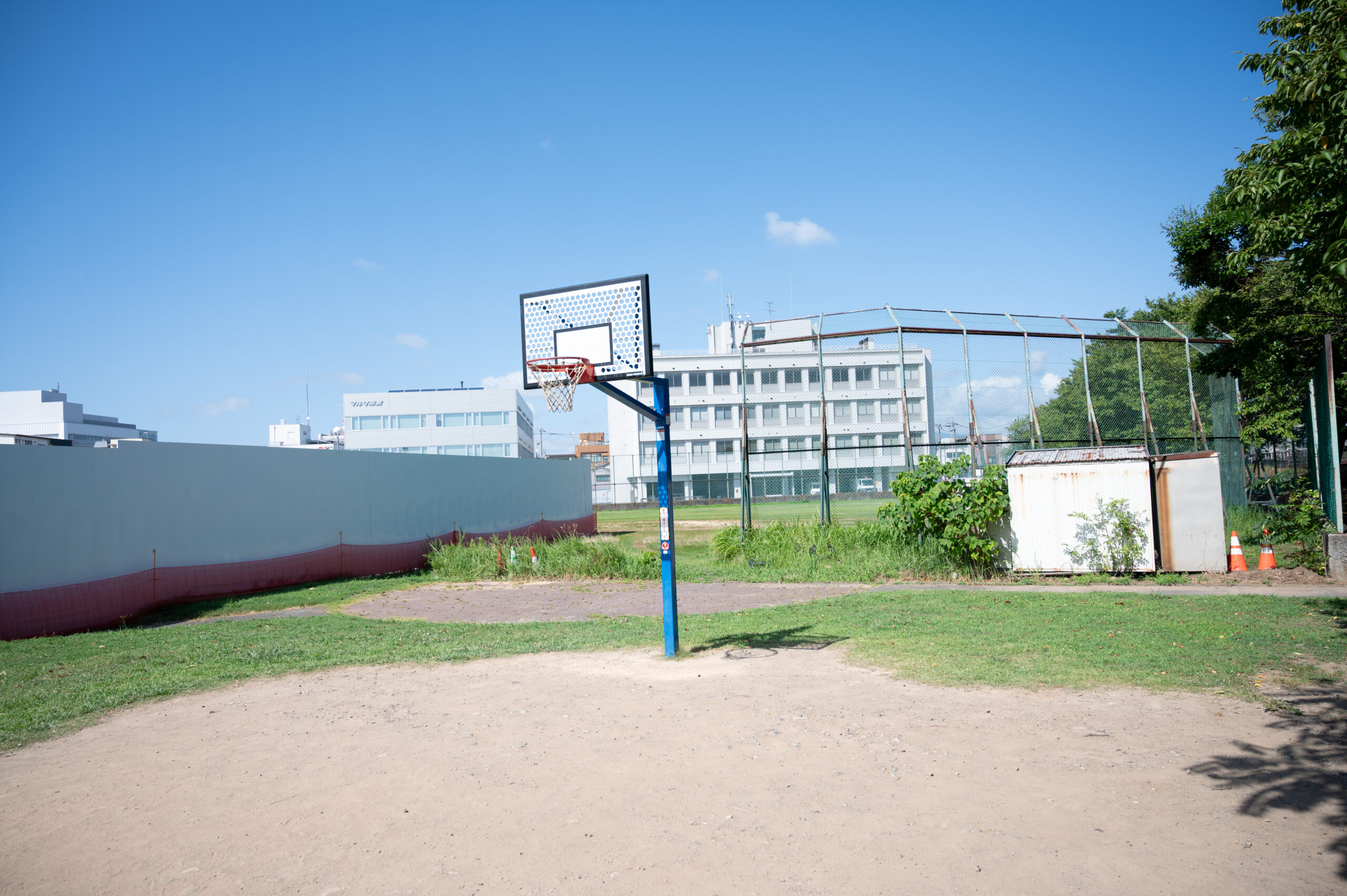
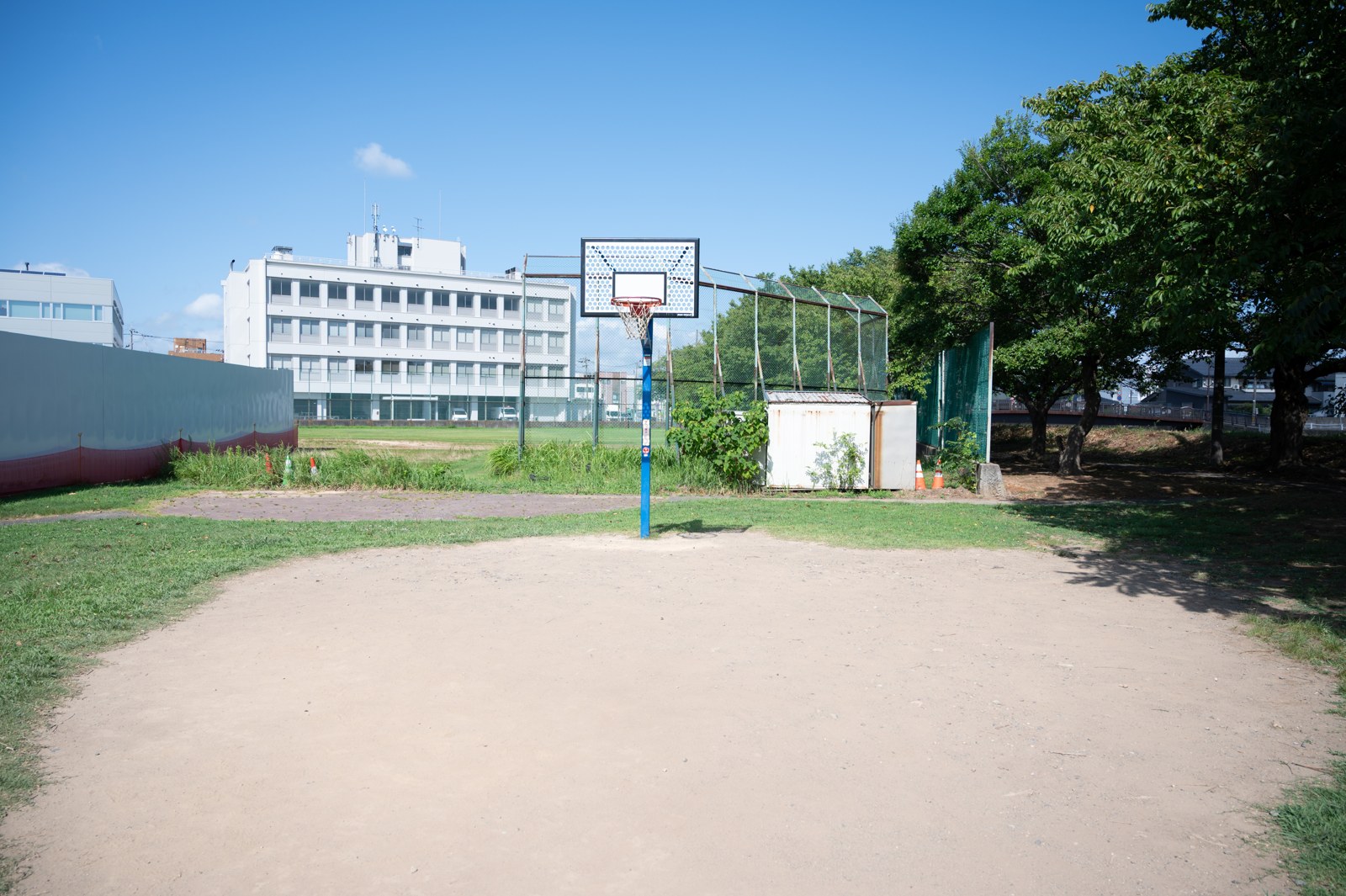
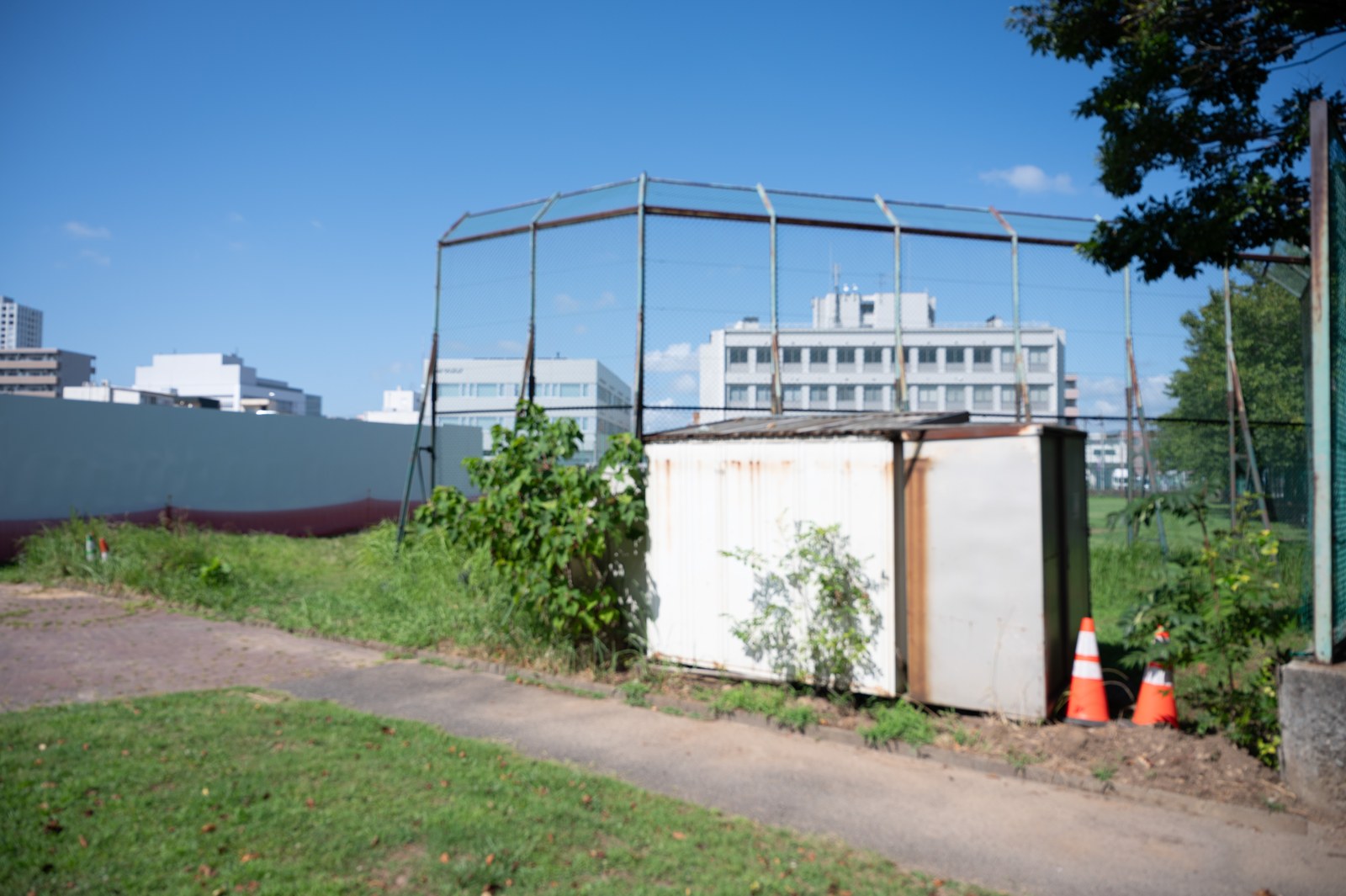
Built on the site of a former baseball ground, Higashi Park is where Saku plays one-on-one basketball with Haru in Episode 3 and with Yuzuki in Episode 5. The park’s swing set also appears in the opening sequence, making it one of the series’ signature locations. The car park only opens at 9am, and morning visits can mean shooting into the sun, so time your visit accordingly.

5. The Asuwa River Cherry Blossom Path — the walk to school from Episode 1’s opening
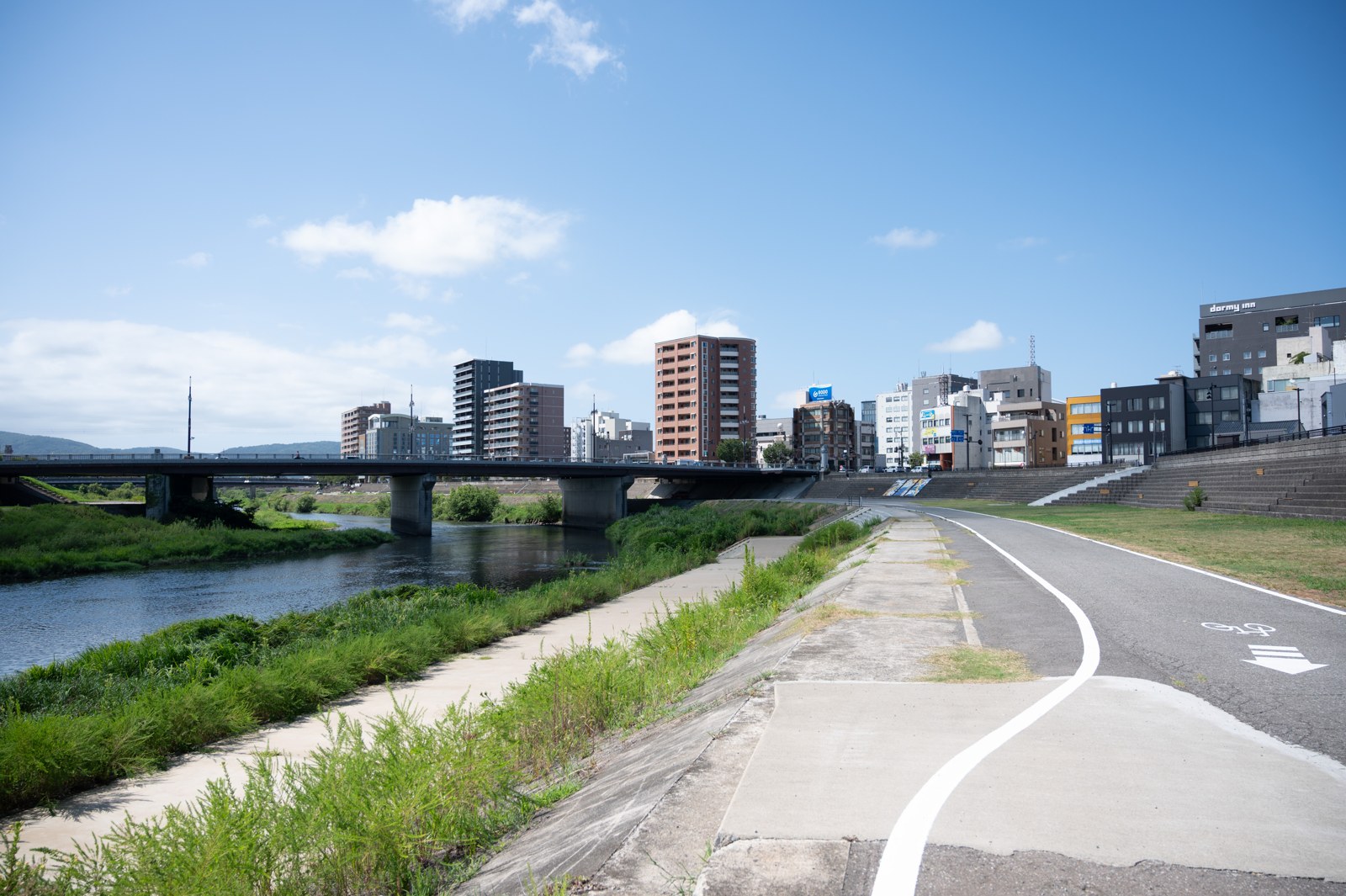
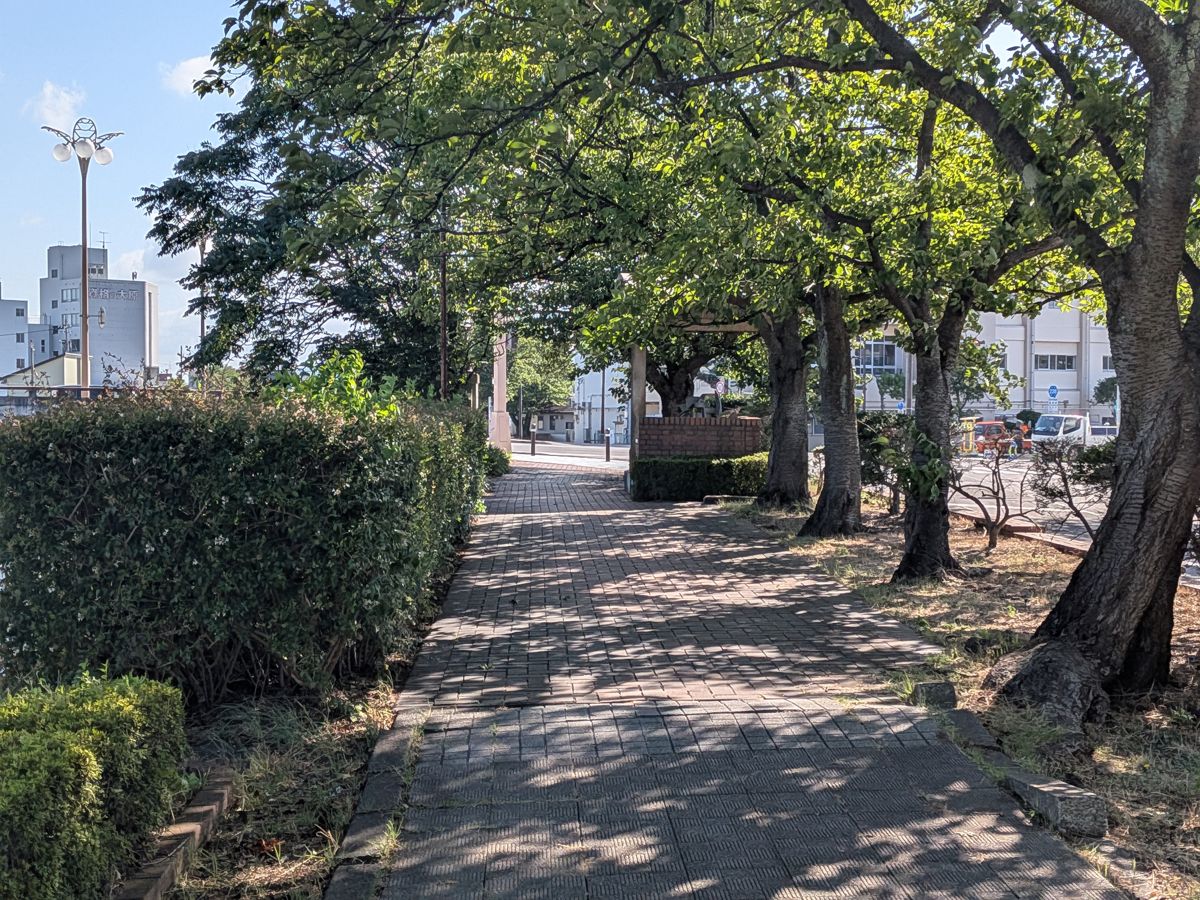
Running through the heart of Fukui City, the cherry blossom path along the Asuwa River stretches roughly 2.2km from Kida Bridge to Shinmeiri Bridge, lined with around 600 cherry trees — one of the city’s best-known hanami spots. This is the route Saku and Yua walk to school in the opening moments of Episode 1, and it recurs throughout the opening sequence and key visuals, making it one of the series’ defining backdrops. During the Fukui Sakura Festival in spring, the path is lit up at night with food stalls lining the route — an ideal time for a pilgrimage visit.
From the riverside path you can also see Fukui’s high-rise skyline across the water, framed by the bridges and railway trestle that cross the Asuwa, making for a quintessentially Fukui view.
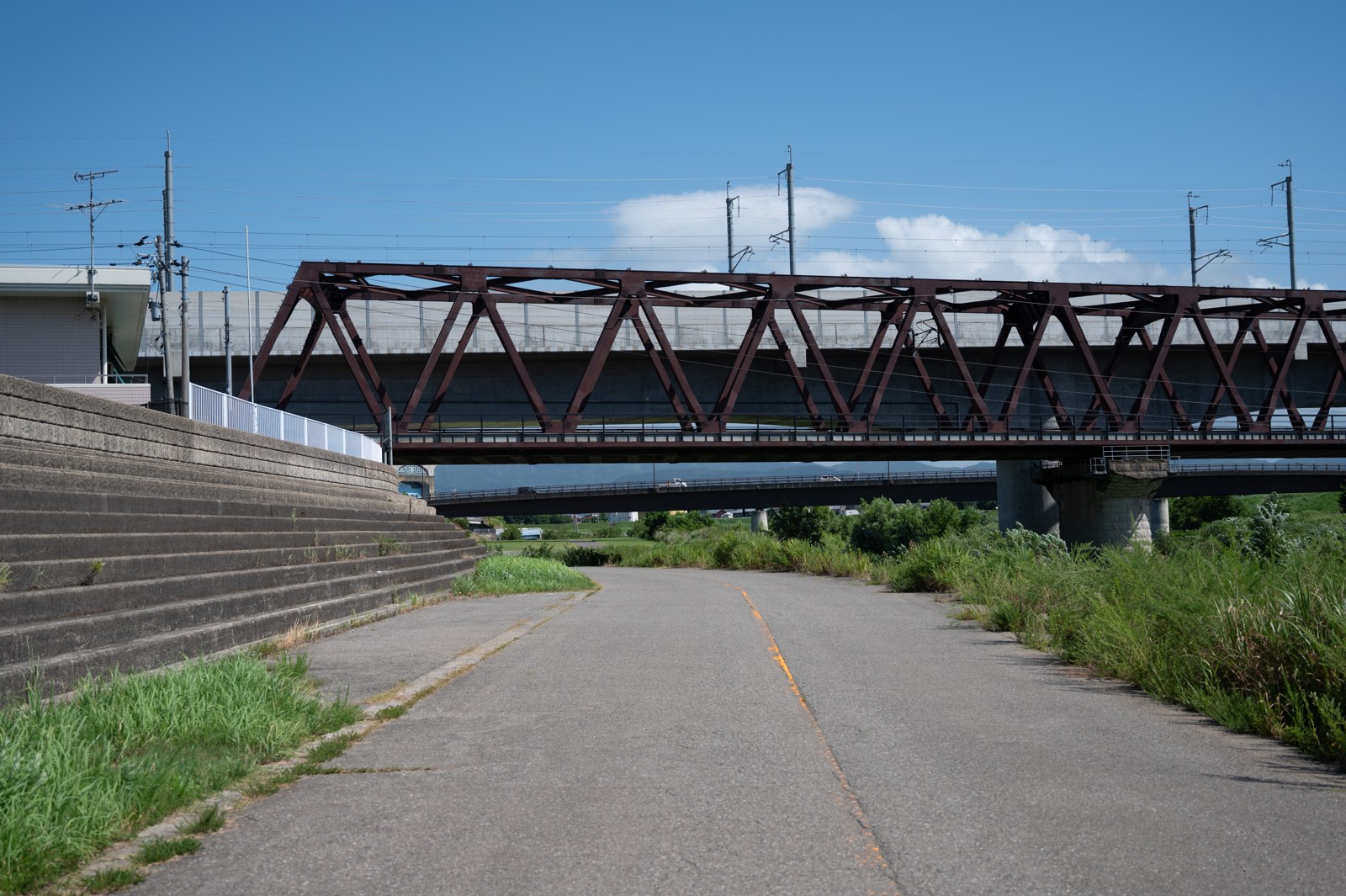
6. Jyoto Bridge to Hinata Bridge — where Yuzuki asked Saku on a date
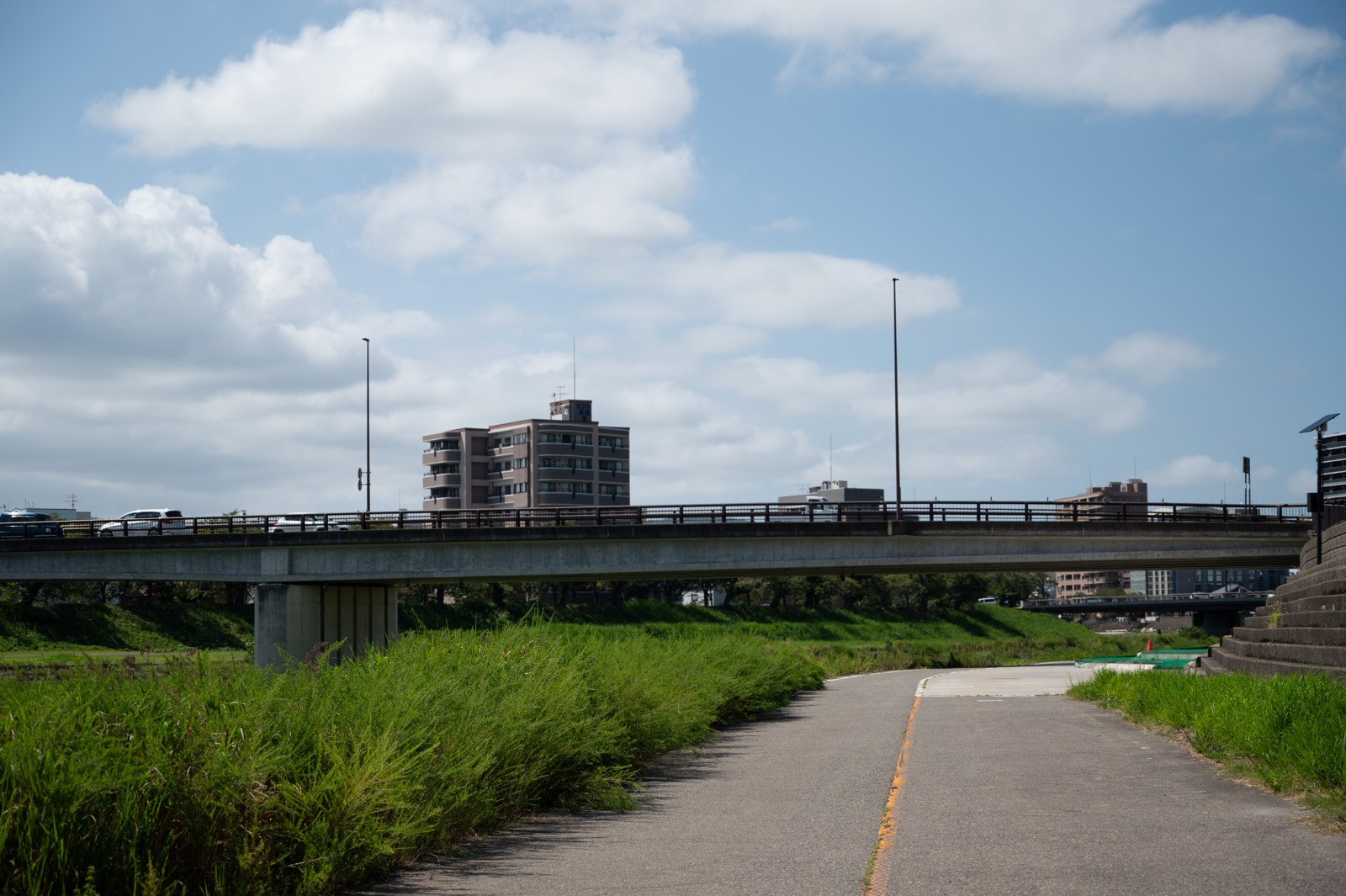
The stretch of the Asuwa River from Jyoto Bridge to Hinata Bridge is where Yuzuki invites Saku on a date in Episode 5, starting at Jyoto Bridge and asking him properly once they reach Hinata Bridge. The scene is famous among fans for how precisely it matches the real location — even the shape of the cherry branches along the path lines up with the anime.
7. Fukui Prefectural Library — where Saku’s group studied for exams
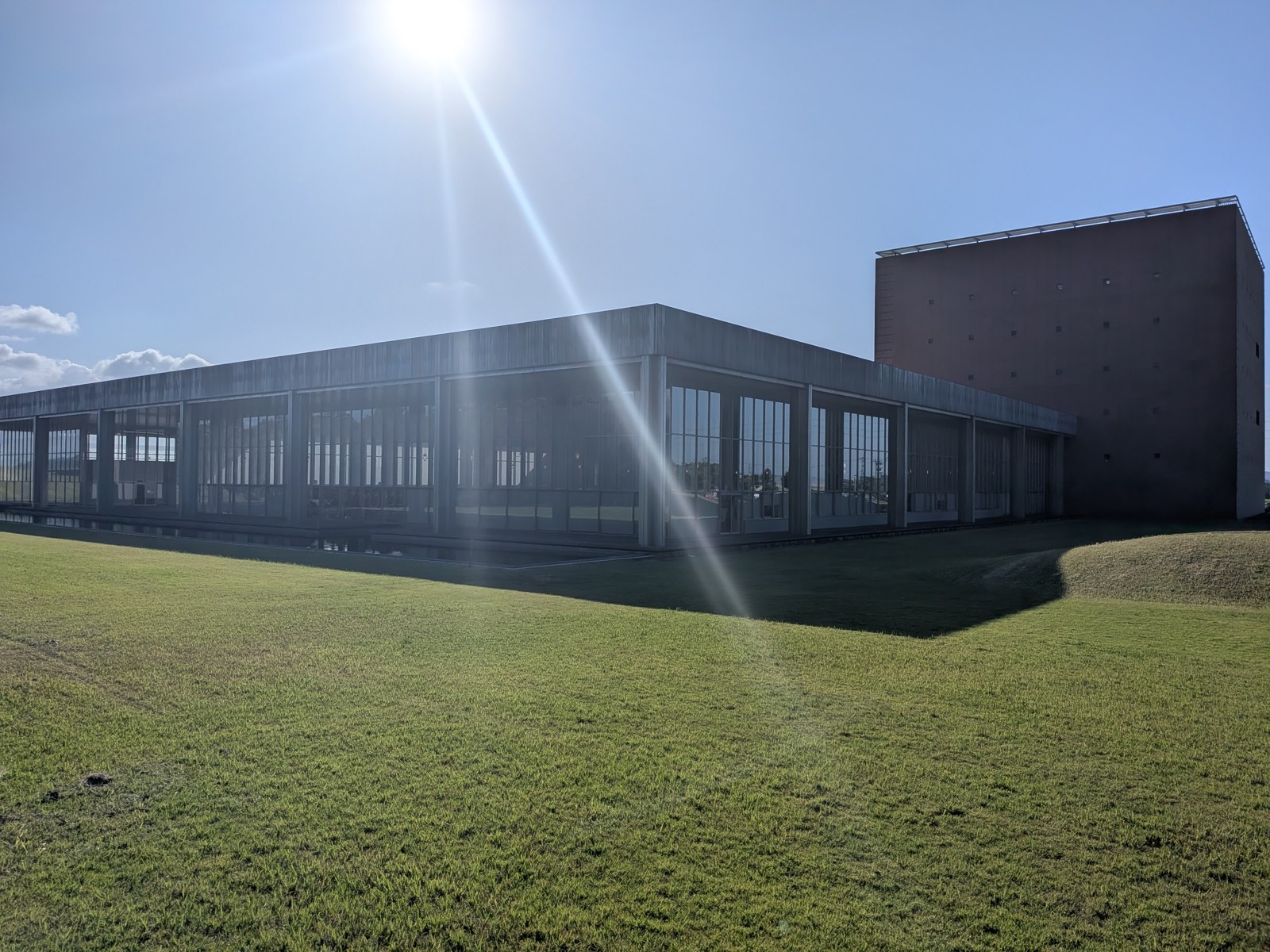
In Episode 5, Saku and his friends head to the library to study for exams, and the scene of Saku and Yuzuki studying across from each other, with a row of bookshelves separating them, was modelled on the Fukui Prefectural Library. It’s about a 15-minute drive from JR Fukui Station, or reachable by Keifuku bus (Ichijodani-Togo Line, route 62) to the “Kenritsu Toshokan-mae” stop.
A few rules apply if you’d like to take photos: shooting the exterior needs no permission, but photographing inside requires filling out a “photography request” form at the counter. You’ll need to avoid capturing other visitors or library materials, flash photography and shutter sounds are not allowed, and staff review any footage before it can be published — approval isn’t guaranteed. Please follow these rules if you visit.
Local food worth pairing with the pilgrimage
A Chiramune pilgrimage isn’t just about the locations — it’s also a great excuse to try some of Fukui’s best-loved food. Here are two spots with their own ties to the series.
8. Yoroppa-ken Toyoshima Branch — home of Fukui’s famous sauce katsu-don
Yoroppa-ken is widely credited as the originator of “sauce katsu-don”, Fukui’s signature pork cutlet rice bowl, and its Toyoshima branch — about a five-minute walk from Fukui Station — is also one of the local spots referenced in the original light novel. Alongside the signature sauce katsu-don, the “mix-don” topped with shrimp is a popular order. It’s open weekdays 11:00–15:00 and 17:00–20:00, and weekends 11:00–20:00 straight through, closed Tuesdays and the first Monday of the month (open on public holidays).
9. Takohachi — a local favourite for “tare yakisoba”
In the Tawaramachi area, Takohachi is an okonomiyaki and takoyaki shop that’s been a favourite of students from Fujishima High School and the University of Fukui for years. Its signature dish is “tare yakisoba” (affectionately called “tare-yaki”) — just cabbage and pork or chicken, tossed in a secret sweet-savoury soy-based sauce for a deceptively simple, nostalgic plate. It’s also set to appear in Volume 4 of the original light novel, and fans of the series have been steadily finding their way here. Open 11:00–19:00, closed Mondays and Tuesdays.
From the area around Fukui Station to the Asuwa riverside and the Shinbo district, the main Chiramune pilgrimage spots can comfortably be covered on foot in half a day. Walking the real streets while picturing the show’s key scenes — and finishing with a sauce katsu-don or a plate of tare yakisoba — makes for a memorable addition to any Fukui trip.
コメント