
Hiroshima Travel Guide: Top Sights & Local Food to Try
Hiroshima Prefecture pairs powerful history with the scenery of the Seto Inland Sea. It is home to two UNESCO World Heritage Sites, the Atomic Bomb Dome (Genbaku Dome) and Itsukushima Shrine on Miyajima, along with the naval port of Kure, the hillside town of Onomichi, the gateway to the Shimanami Kaido cycling route, and Okunoshima, better known as Rabbit Island.
This guide covers the six areas I visited and six local dishes I ate along the way, from Hiroshima-style okonomiyaki and fried oysters to Kure reimen and soupless dandan noodles. Use it to decide where to go and what to eat on your Hiroshima trip.
6 Best Things to See in Hiroshima
Highlights are spread from Peace Memorial Park in Hiroshima City to Miyajima, the port city of Kure, and the islands of the Seto Inland Sea. Here is what each area offers.
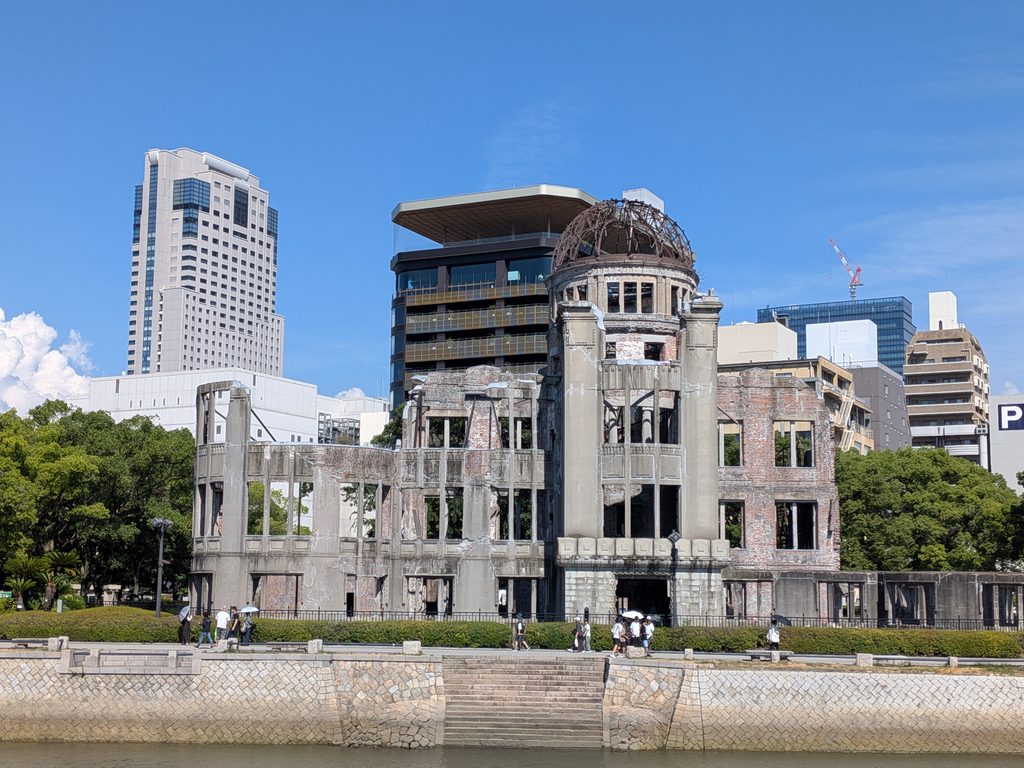
Hiroshima City: Atomic Bomb Dome & Hiroshima Castle
The prefectural capital is the best place to learn about Hiroshima’s history. The Atomic Bomb Dome (Genbaku Dome), a UNESCO World Heritage Site since 1996, stands as a symbol of peace beside Peace Memorial Park. Hiroshima Castle is also in the city, and streetcars make getting around easy.
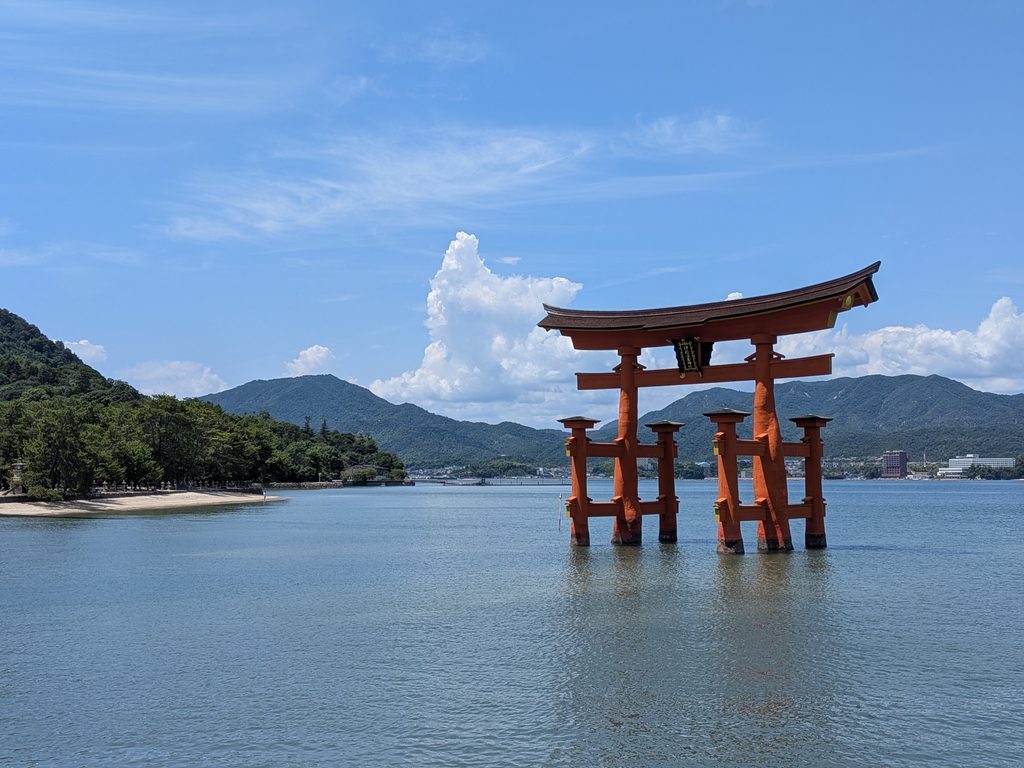
Miyajima: Itsukushima Shrine & the Floating Torii Gate
Itsukushima Shrine, a UNESCO World Heritage Site since 1996, is famous for its vermilion torii gate standing in the sea. Miyajima is only about 10 minutes by ferry from Miyajimaguchi, and the shrine and gate look different as the tide rises and falls. Oysters and anago (conger eel) rice are local specialties.
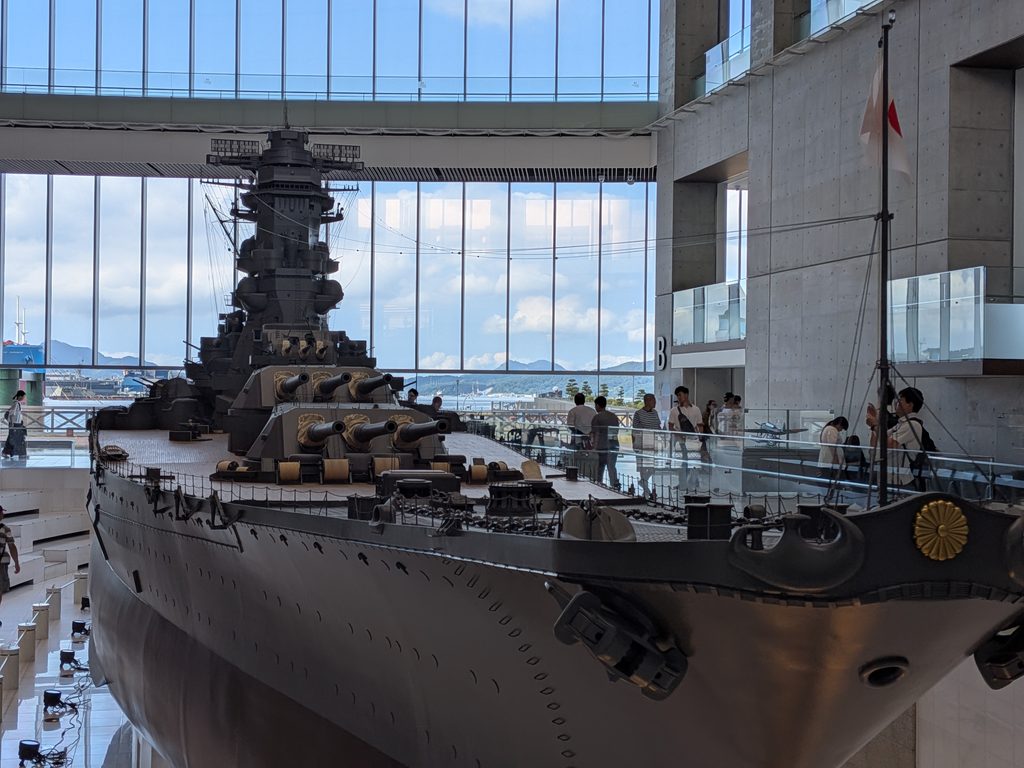
Kure: Yamato Museum & a Historic Naval Port
Kure was once home to the Kure Naval District, and the battleship Yamato was built here. The Yamato Museum displays a 1/10-scale model of the ship, and the port is still a Japan Maritime Self-Defense Force base, where ship-watching cruises are popular.
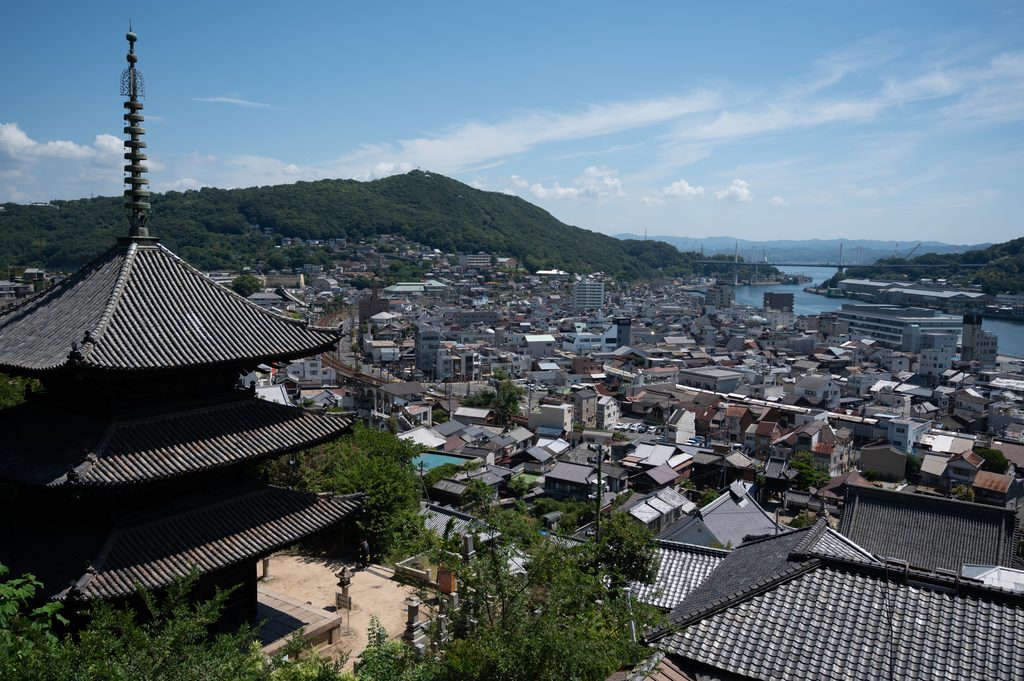
Onomichi: Sloping Alleys & Seaside Views
Onomichi is a hillside port town of sloping streets and sea views, and the Hiroshima-side starting point of the Shimanami Kaido. It is a pleasant place to explore on foot, with local Onomichi ramen to round off the day.
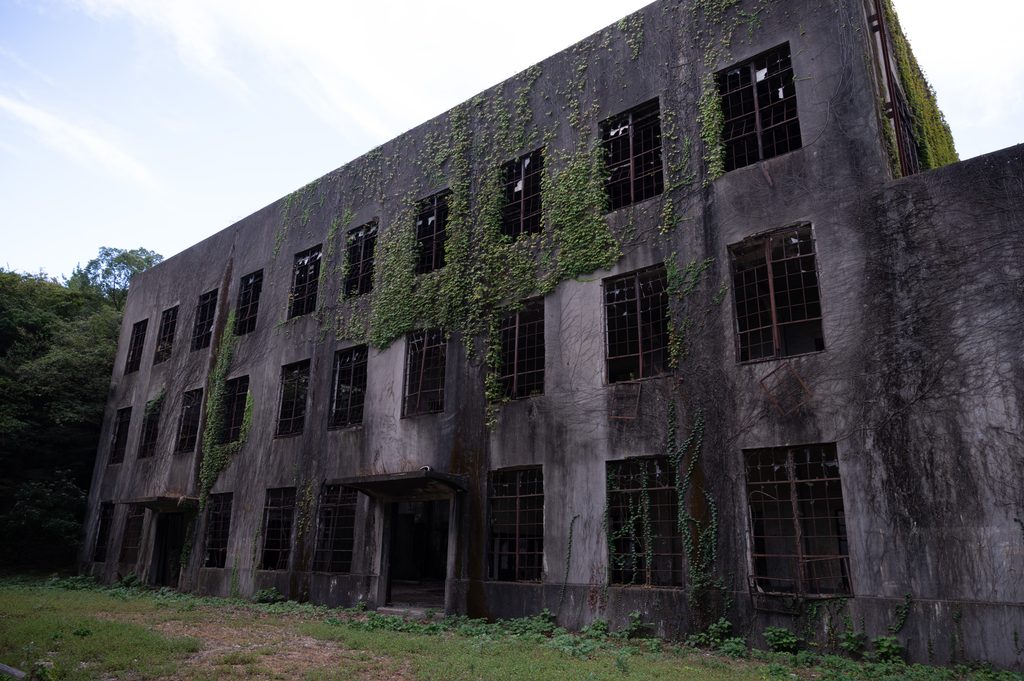
Okunoshima: Rabbit Island & Its Wartime History
About 15 minutes by ferry from Tadanoumi Port in Takehara, this small Seto Inland Sea island is known as Rabbit Island for its free-roaming wild rabbits. Poison gas was produced here during the war, and buildings from that era can still be seen. The Okunoshima Poison Gas Museum tells the story.
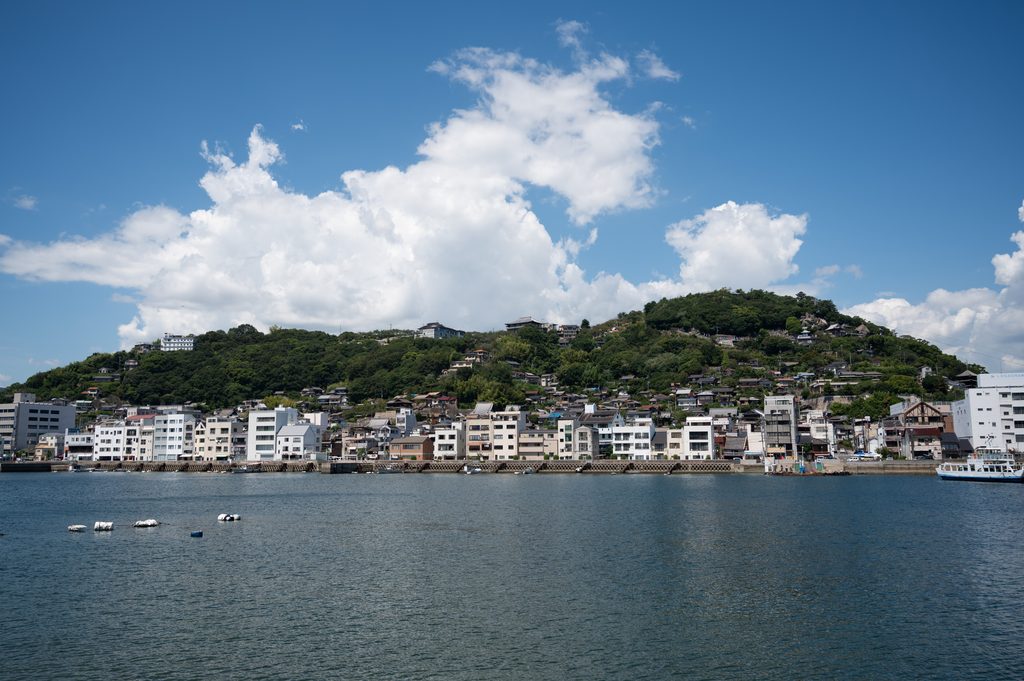
Mukaishima: Gateway to the Shimanami Kaido
Just across the Onomichi Channel, Mukaishima is the first island on the Shimanami Kaido, a roughly 60 km route linking Onomichi in Hiroshima with Imabari in Ehime. It offers a sweeping view of Onomichi’s townscape, and the ferry from Onomichi takes about 5 minutes.
6 Hiroshima Local Foods to Try
From Seto Inland Sea seafood to noodle dishes that evolved locally, Hiroshima’s food is a highlight of any trip. Here are six that fit easily between sightseeing stops.
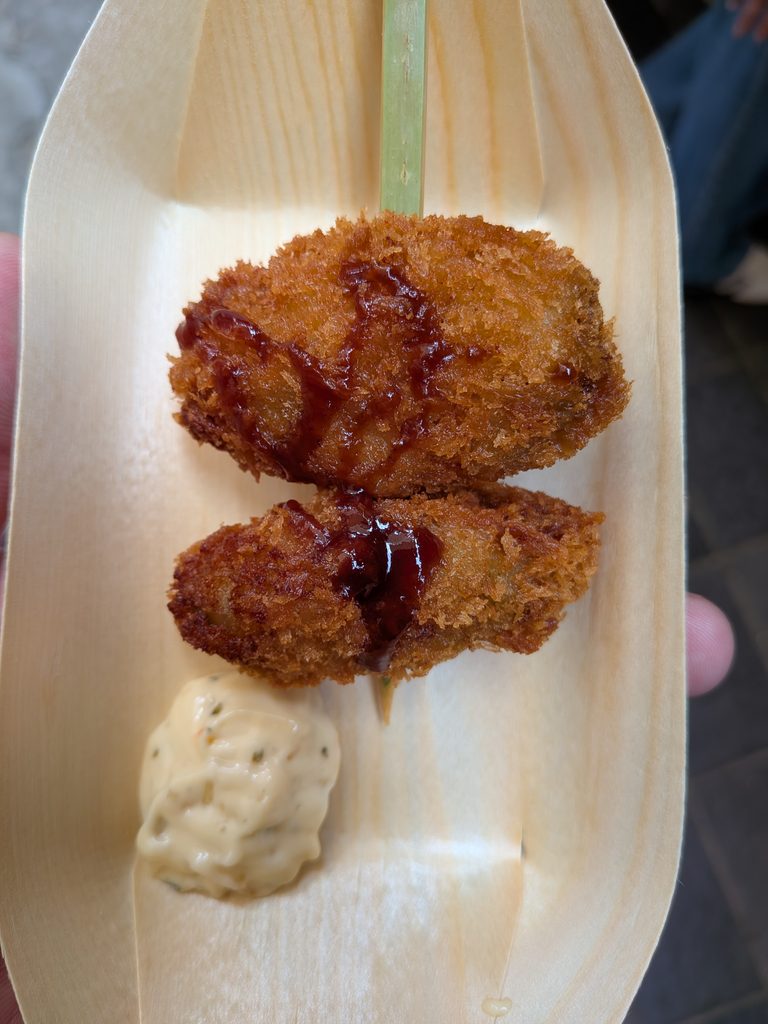
Fried Oysters (Kaki Fry)
Hiroshima is Japan’s top oyster-producing prefecture, and the area around Miyajima is a well-known oyster region, so they pair naturally with a Miyajima visit. Crisp on the outside and juicy inside, fried oysters are an easy way to try them.
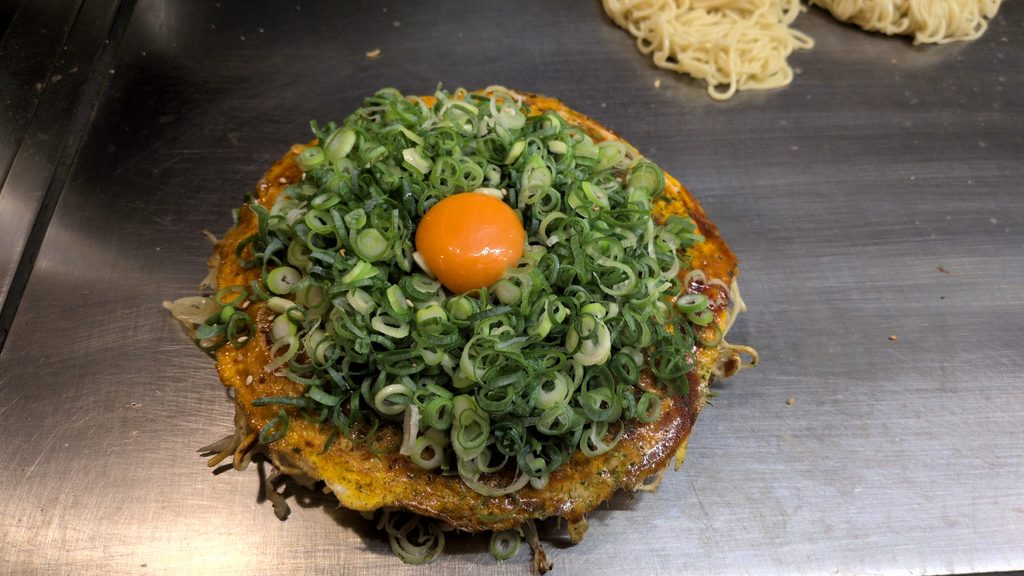
Hiroshima-Style Okonomiyaki
Instead of mixing everything into the batter, Hiroshima-style okonomiyaki layers cabbage, pork, egg and noodles on a thin crepe-like base. Its roots trace back to postwar street stalls, and it is a must-eat in Hiroshima.
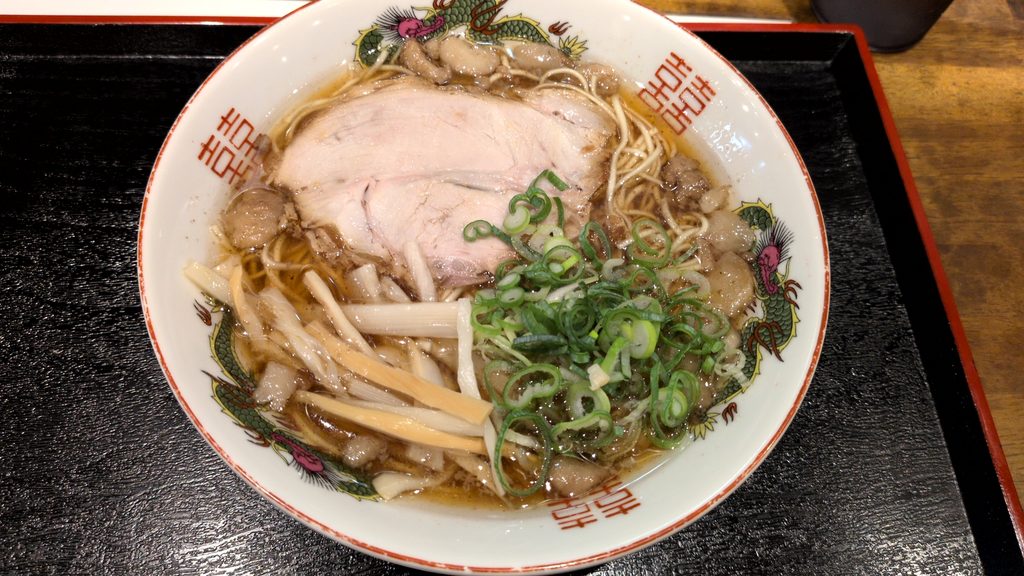
Onomichi Ramen
Onomichi’s local ramen has a light, soy sauce-based soup that goes down easily, making it a good stop between strolls through town.
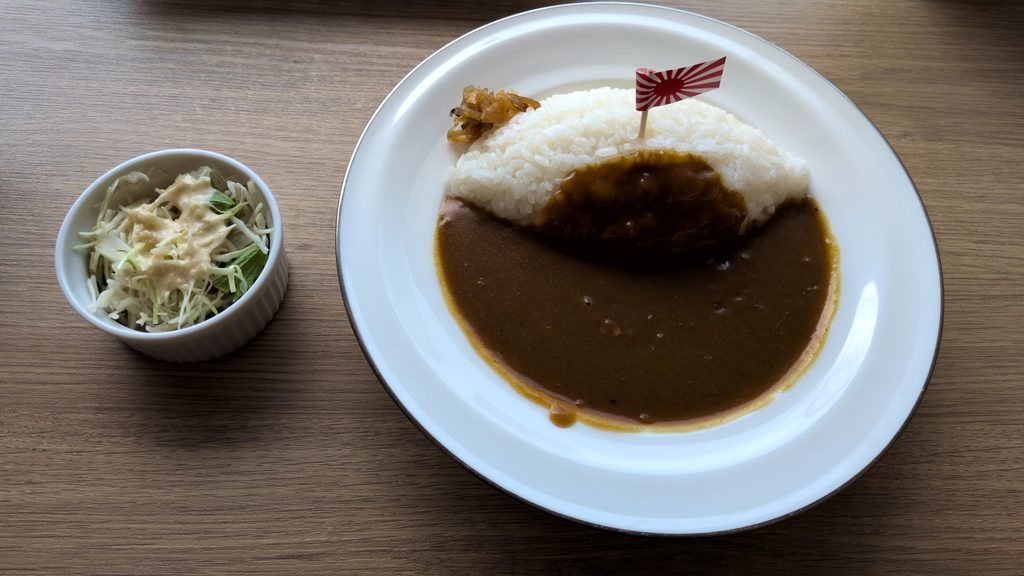
Kure Navy Curry (JMSDF Curry)
Sailors in the Japan Maritime Self-Defense Force eat curry every Friday to keep track of the day at sea, and many restaurants in Kure serve dishes inspired by that tradition. Flavors differ from ship to ship, so comparing shops is part of the fun.
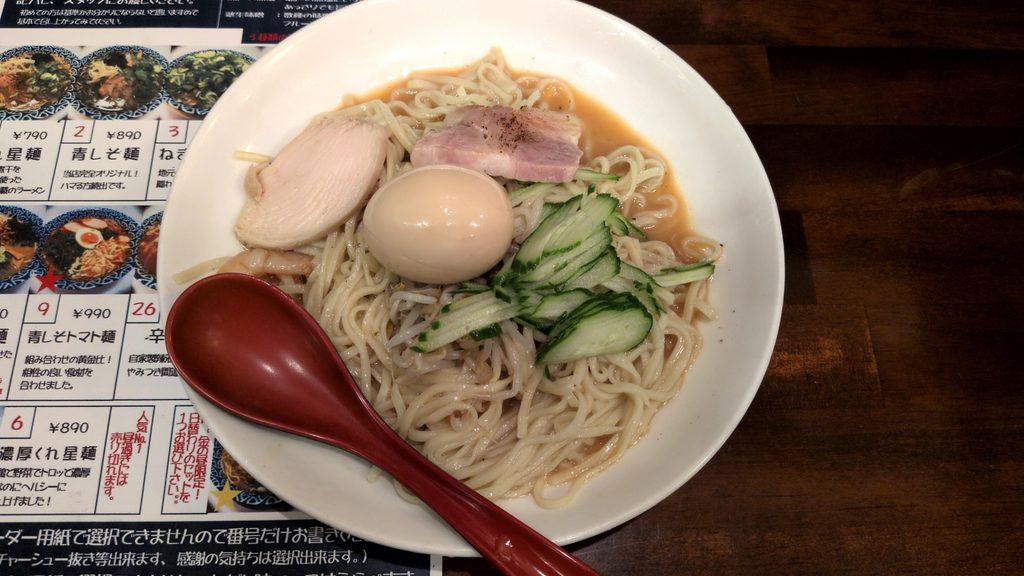
Kure Reimen (Cold Noodles)
Created in Kure, this dish is counted among Japan’s three great cold noodles, alongside Morioka and Beppu. Flat noodles come in a sweet-and-savory sauce, often adjusted with vinegared chili mustard. The bowl I tried had a chicken-based soup with mild acidity and was very easy to eat.
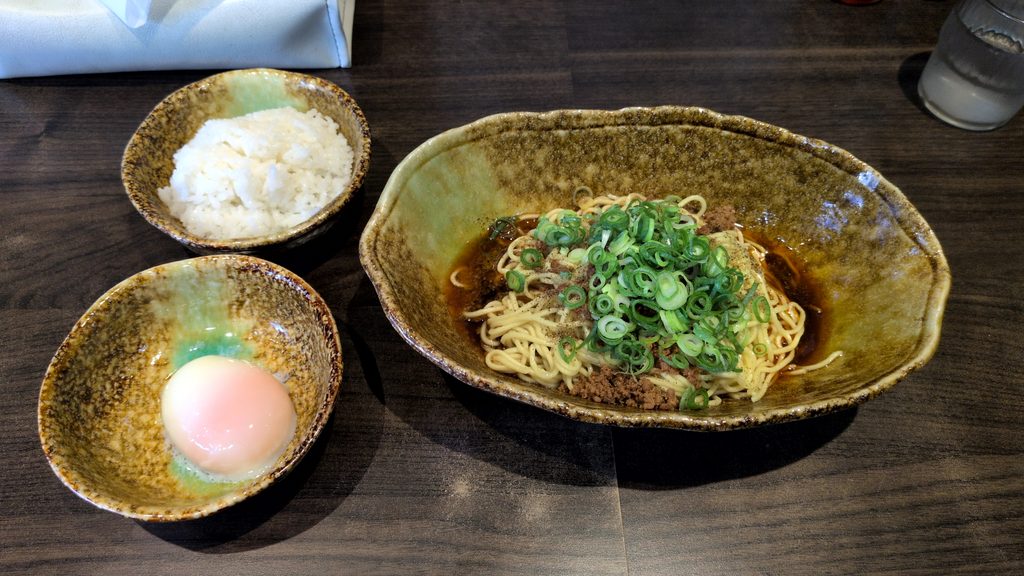
Soupless Dandan Noodles (Tantanmen)
Inspired by Sichuan dandan noodles, this dish was created in Hiroshima in the 2000s and has since spread nationwide. Chili heat and the numbing tingle of Sichuan pepper define the flavor, so stir the sauce and toppings thoroughly. It was spicy yet easy to eat.