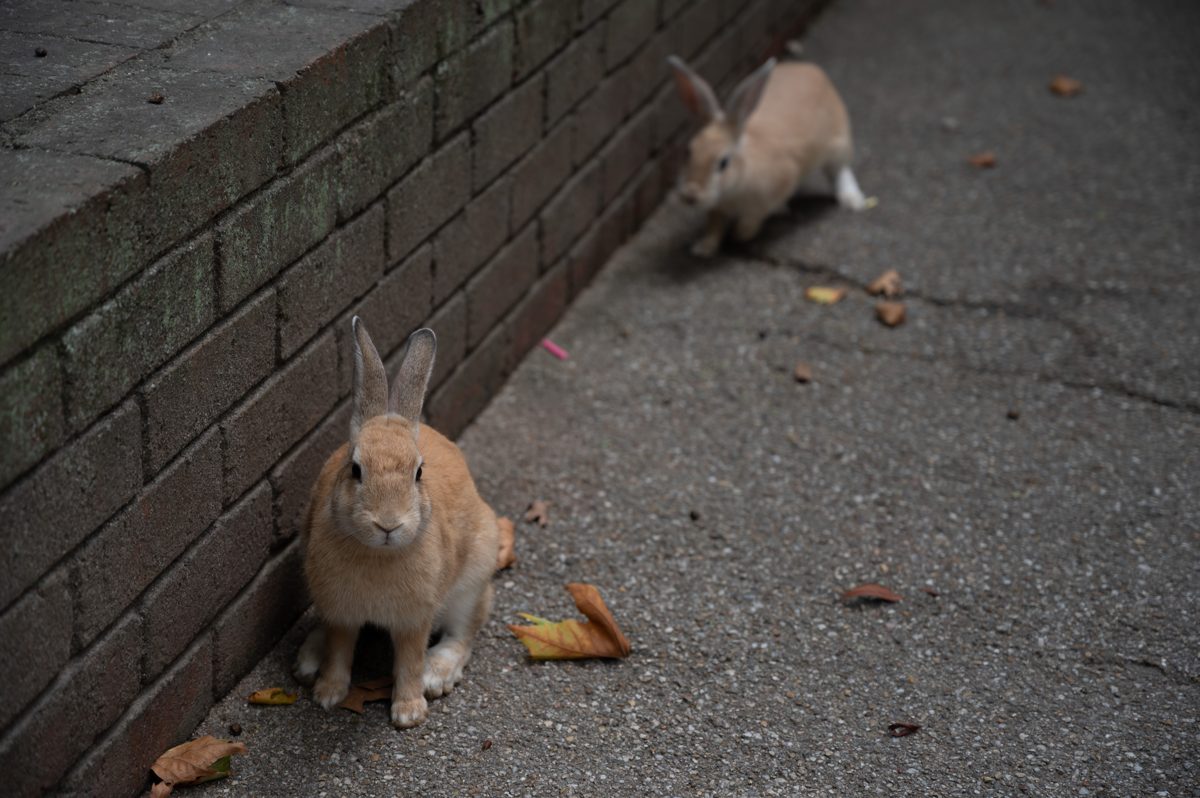
A roughly 15-minute ferry ride from Tadanoumi Port in Takehara City, Hiroshima Prefecture, Okunoshima floats in the Seto Inland Sea as Japan’s famous “Rabbit Island.” Hundreds of friendly wild rabbits hop up to greet visitors the moment they step off the boat, and the island now draws travelers from around the world who come just to meet them.
But why do so many rabbits live on this small island in the first place? Here’s a closer look at how Okunoshima became Rabbit Island, and the challenges its rabbit population faces today.
- What kind of rabbits live on Okunoshima?
- Why are there rabbits on Okunoshima at all?
- Why did the population grow so much? No predators, high fertility
- From obscure island to beloved “Rabbit Island”
- Challenges facing the rabbits today
- Rules to know before you visit (revised September 2024)
- Getting to Okunoshima
What kind of rabbits live on Okunoshima?
The rabbits on Okunoshima aren’t Japan’s native wild hare — they’re feral domestic rabbits (European rabbits, the same species kept as pets), which were never originally native to Japan. Because they descend from domesticated stock rather than a true wild species, Japan’s Ministry of the Environment classifies them as a semi-feral non-native population rather than wildlife in the strict sense.
Why are there rabbits on Okunoshima at all?
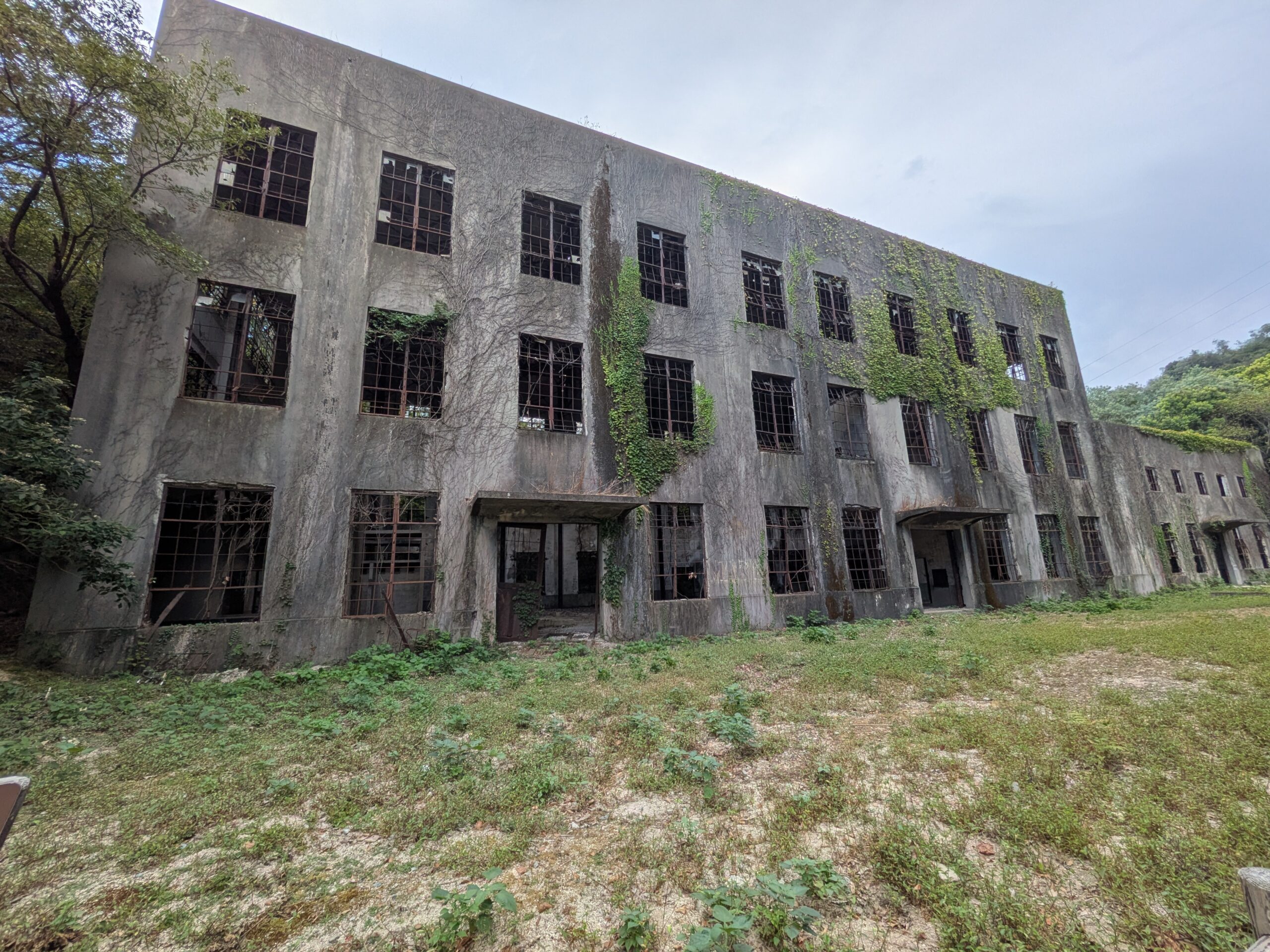
You may have heard the popular story that these rabbits descend from animals used in the island’s wartime poison gas testing. That turns out to be a myth. Okunoshima was home to a secret Imperial Japanese Army poison gas factory during the war, but the museum’s first curator, Hatsuichi Murakami, testified that he never once saw a wild rabbit on the island during the war — the test animals are believed to have all been culled when the facility was dismantled after Japan’s surrender. You can read more about Okunoshima’s history as the “Poison Gas Island” here:

According to the most widely accepted account, rabbits were first released on the island in 1971, around the time Okunoshima was being developed as a national vacation village (Kokumin-kyuka-mura). Eight rabbits kept at a local elementary school were released onto the island as a kind of mascot animal, and their descendants gradually multiplied into a wild population. More rabbits were released over the following years, further boosting the numbers.
Why did the population grow so much? No predators, high fertility
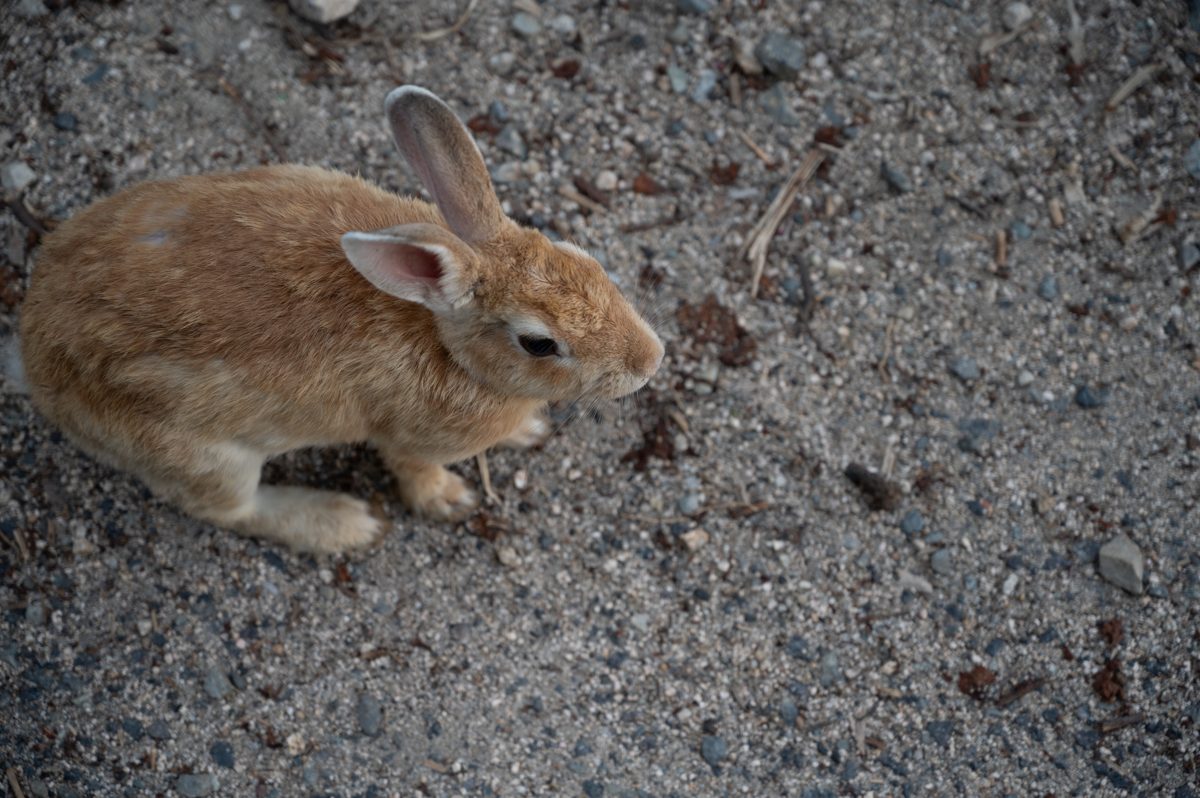
Two factors explain how Okunoshima’s rabbit population grew so dramatically. First, the island has almost no natural predators — no foxes, weasels, stray cats, or stray dogs. Crows are about the only threat the rabbits face.
Second, domestic rabbits are extraordinarily fertile. A doe can give birth three to five times a year, with one to nine kits per litter — roughly 20 to 25 kits annually per female when conditions allow, so numbers can climb quickly. On the other hand, more than 90% of kits are thought to die before their first birthday, so most never reach adulthood.
From obscure island to beloved “Rabbit Island”
Okunoshima’s rabbits first gained wider attention in 2011, the Year of the Rabbit in the Japanese zodiac, when media coverage picked up. Around 2013–2014, videos shot by visitors went viral on overseas social media and video sites, and the island became internationally known as “Rabbit Island.”
Visitor numbers climbed steadily afterward: from roughly 152,000 in fiscal year 2010 to a record high of about 360,000 in 2017. A 2018 survey found that 93% of visitors cited “meeting the rabbits” as their reason for coming — today, it’s hard to talk about tourism on Okunoshima without talking about its rabbits.
Challenges facing the rabbits today
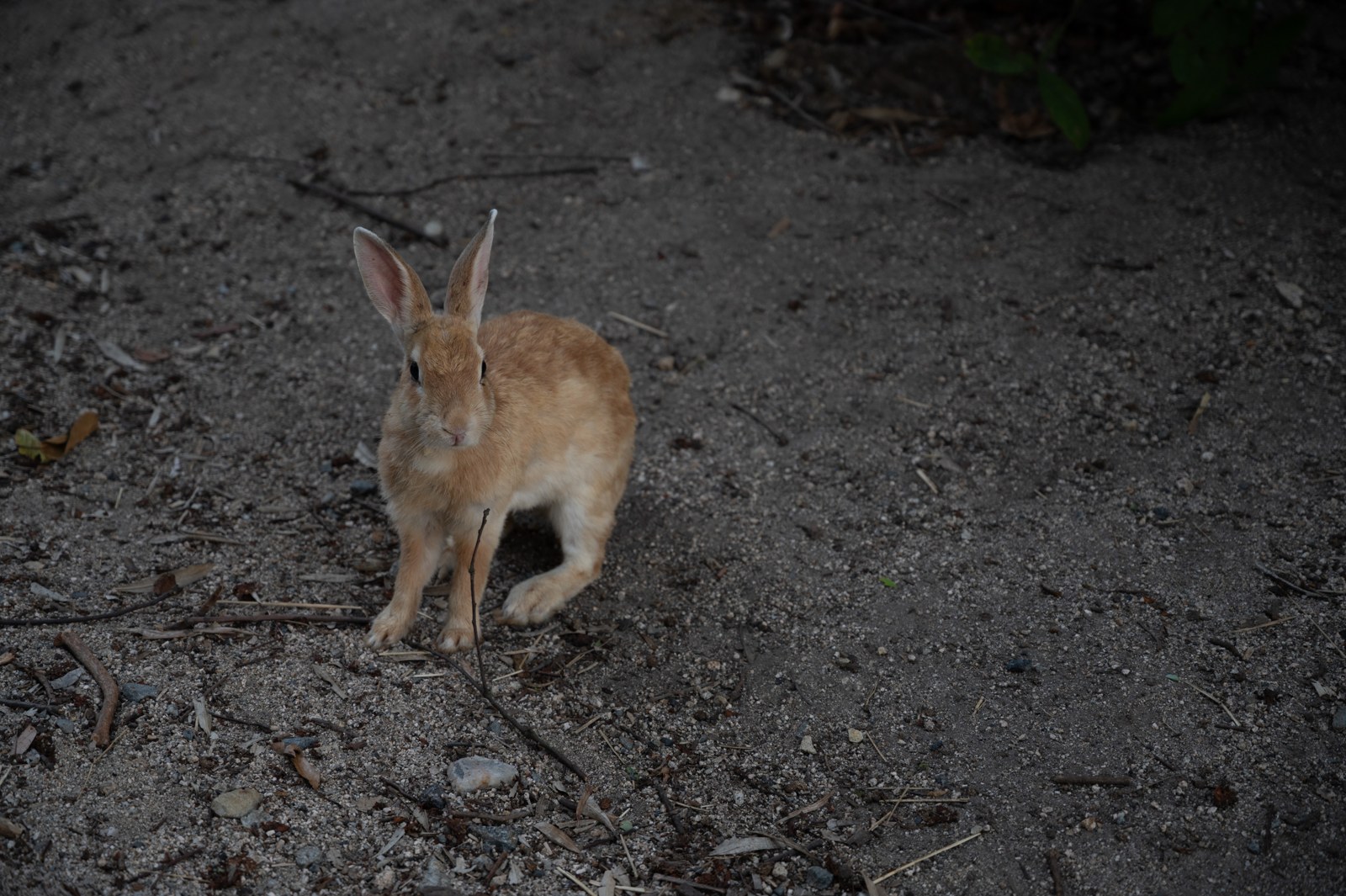
Alongside its popularity, Okunoshima’s rabbit population faces real challenges. The estimated population hovered around 600 in the 1990s and around 300 in the 2000s, but it rose again — partly fueled by visitor feeding — to an estimated 920-plus by 2018. The COVID-19 pandemic then sharply cut visitor numbers, and a 2021 visual survey counted only around 400 rabbits.
Overfeeding by tourists doesn’t just increase rabbit numbers — it also disrupts the island’s ecological balance. Leftover food has been known to attract wild boar and rats, and there have been reports of boar preying on rabbits. From November 2024 onward, a cluster of rabbit deaths over a short period also prompted Japan’s Ministry of the Environment to step up surveillance cameras and patrols on the island. Against this backdrop, it matters more than ever that every visitor follows the rules so the rabbits can keep living safely.
Rules to know before you visit (revised September 2024)
The Okunoshima Future Committee and the Ministry of the Environment ask every visitor to follow four rules, for the safety of both people and rabbits:
- Don’t touch the rabbits or hand-feed them directly — they may carry diseases or parasites transmissible to people, picking them up can stress them or cause injury from falls, and hand-feeding risks a bite.
- Don’t feed rabbits on the road, and watch your step — roads carry bicycles and vehicles, and rabbits darting into the road for food can be struck.
- Watch until they finish eating, and take any leftovers with you — leftover food that spoils or attracts boar and rats contributes to overpopulation and ecological harm.
- Don’t bring pets or other animals onto the island, and never take a rabbit off the island — this protects the ecosystem, prevents disease spread, and avoids violating animal-abandonment laws.
If you’d like to feed the rabbits, it’s safest to use the dedicated pellets sold on the island and place the food on the ground rather than in your hand. Avoid chasing or picking rabbits up — let them approach you at their own pace instead.
Getting to Okunoshima
Okunoshima is about a 15-minute ferry ride from Tadanoumi Port, roughly a 3-minute walk from JR Tadanoumi Station on the JR Kure Line. The island has lodging at Kyukamura Okunoshima and a campground, so it’s just as rewarding as an overnight stay as it is a day trip. The Poison Gas Museum and the ruins of the old Geiyo Fortress are also worth a visit if you’re interested in the island’s history.
An invasive species that has become an irreplaceable part of Okunoshima’s identity, these rabbits carry both charm and real challenges. Understanding the story behind them — and following the rules while you’re there — will make your visit to this island all the richer.
コメント